
Pruning
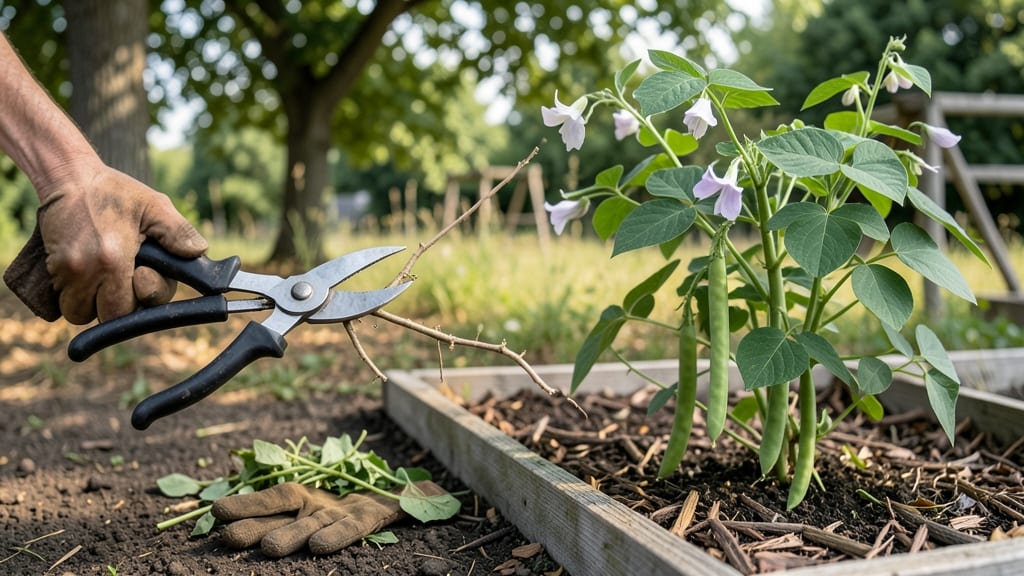
Pruning bean plants isn't just about trimming—it's about unlocking bushier vines and bigger harvests all season long. 🌱 I learned the hard way that skipping this step means fewer pods and weaker plants, but once I started pruning regularly, my pole beans exploded with growth and my harvest doubled.
The key is timing and technique: remove yellow leaves immediately, trim leggy growth to encourage branching, and support vines with sturdy trellises. Most gardeners make one critical mistake—over-pruning—which stresses the plant. Instead, focus on removing only 20-30% of foliage at a time to keep it productive.
You'll see the difference within 2-3 weeks—healthier green leaves, more flower clusters, and pods forming all the way up the vine. The plants stay compact, resist disease better, and keep producing until first frost.
Works for both pole beans and bush varieties, and the same principles apply whether you're growing in gardens, containers, or even vertical towers. Let's get those vines thriving!
📚 In This Guide
- What you need
- Instructions
- Tips and common mistakes
- Wrapping up and next steps
What you need
- ● Pruning shears or scissors – Choose sharp, clean bypass pruners (avoid dull tools that crush stems). A 5-inch pair works well for most bean plants.
- ● Gloves – Wear gardening gloves (nitrile or leather) to protect your hands from thorns (if dealing with pole beans) or dirt.
- ○ Disinfectant (optional but recommended) – A 70% isopropyl alcohol or bleach solution (1 part bleach to 9 parts water) to sterilize tools between cuts and prevent disease.
- ● Garden twine or stakes – If pruning pole beans, have soft twine (¼-inch width) and tall stakes (5–6 feet) ready to support new growth.
- ● Watering can or hose – Keep a light spray handy to hydrate plants post-pruning (especially in hot weather).
- ● Hand pruners with ergonomic grips – Reduces hand fatigue for longer pruning sessions.
- ● Rubbing alcohol wipes – Quick way to disinfect tools on the go.
- ○ Plant growth regulator (optional) – A diluted seaweed extract or hormone-free pruning paste to seal larger cuts and prevent disease entry.
- ● Notebook or app – Track pruning dates, plant responses, and growth patterns for future reference.
Year-round pruning guide for bushier, healthier bean plants
Here's how to shape your bean plants for maximum productivity without stressing the vines.
🌿 Step 1: Identify the Right Time to Prune
Prune bush beans when they reach 6-8 inches tall and pole beans when they've climbed 12-18 inches up their trellis. This timing ensures the plant has established enough energy reserves to recover. I always check for 3-4 true leaves before touching the shears—this signals the plant has passed its most vulnerable growth stage.
For indeterminate varieties, you can prune throughout the growing season, but focus on morning sessions when the plants are fully hydrated. Avoid pruning after 10 AM in hot climates, as it increases stress on the plant. Look for healthy, mature leaves—these are your pruning targets, not the tender new growth.
✂️ Step 2: Remove Problematic Growth
Start by cutting back any yellowed or diseased leaves using clean, sharp pruners. Snip just above a leaf node where new growth can emerge. I make a slight angle cut to prevent water from pooling on the stem. For bush beans, remove any overcrowded stems growing from the base—keep only the 2-3 strongest to prevent competition.
On pole beans, focus on lateral branches that grow at sharp angles from the main vine. These are the ones that will produce pods. Trim any weak, spindly growth that's stretching toward the light but not developing leaves. This redirection of energy leads to thicker, more productive vines later in the season.
🌱 Step 3: Encourage Bushier Growth Patterns
For bush beans, pinch off the top growing tip when the plant reaches 12-15 inches. This forces the plant to put energy into developing side branches where pods will form. I use my thumb and forefinger to gently crush the growing tip—no need for pruners here. Watch for new leaf growth within 5-7 days—this confirms the plant is responding well to the pruning.
Pole beans benefit from a different approach: selective pruning of the main stem. When the plant reaches 3-4 feet tall, cut back the tip by about 6 inches. This technique stimulates secondary growth from lower nodes, creating a bushier framework. The key is to leave at least 3-4 leaf nodes below your cut—this ensures the plant has enough foliage to continue photosynthesis.
💧 Step 4: Post-Pruning Care for Recovery
After pruning, water the plants deeply at the base to help them recover. Avoid overhead watering for 24 hours to prevent fungal spores from settling on fresh cuts. I always add a balanced fertilizer (10-10-10) to the soil after pruning to replenish nutrients. Look for new leaf growth within 7-10 days—this is your signal that the plant is healing properly.
For the first week after pruning, keep an eye out for aphids or spider mites that may take advantage of stressed plants. A gentle spray of neem oil solution prevents infestations. If you notice any wilting or yellowing beyond what's normal for recovery, increase watering slightly and provide afternoon shade for a few days to reduce stress.
Tips & tricks for pruning bean plants
These simple techniques will help you transform your bean plants into productive powerhouses without causing stress to the vines.
Timing is Everything: The 6-8 inch height for bush beans and 12-18 inch climb for pole beans are critical windows. I've learned this the hard way—pruning too early stresses young plants before they've established their root systems. For indeterminate varieties, morning sessions are ideal because plants are fully hydrated and can recover more quickly from the pruning stress. The 10 AM cutoff in hot climates prevents midday heat from compounding the plant's stress during recovery.
Precision Pruning Technique: When removing overcrowded stems from bush beans, focus on keeping the 2-3 strongest stems at the base. I use a small notched trowel to make clean cuts just above leaf nodes—this prevents disease entry points and encourages new growth from exactly where we want it. For pole beans, those lateral branches at sharp angles are your goldmine—they're where the pods will form. Any spindly growth stretching toward light is stealing energy that could go to pod production.
Growth Stimulation Secrets: The 12-15 inch height for bush beans and 3-4 feet for pole beans are perfect times to stimulate bushier growth. For bush beans, that thumb-and-finger pinch on the growing tip works wonders—it's a gentle way to redirect energy without creating wound stress. With pole beans, cutting back 6 inches from the main stem creates that magical secondary growth from lower nodes. I always leave those 3-4 leaf nodes below the cut because they're the plant's energy factories for recovery.
Recovery Care Essentials: That 24-hour no-overhead-watering rule is non-negotiable—it prevents fungal spores from landing on fresh cuts. The deep base watering after pruning gives plants the hydration boost they need to recover. I've found that adding a balanced 10-10-10 fertilizer right after pruning gives plants a nutrient kick to support new growth. Watching for new leaf growth within 7-10 days is your best indicator that everything's healing properly.
Pro Tips for Prune Bean Plants
- These simple techniques will help you transform your bean plants into productive powerhouses without causing stress to the vines.
- Timing is Everything: The 6-8 inch height for bush beans and 12-18 inch climb for pole beans are critical windows.
- Precision Pruning Technique: When removing overcrowded stems from bush beans, focus on keeping the 2-3 strongest stems at the base.
Frequently asked questions
Got questions about pruning bean plants? You’re not alone! Here are some of the most common concerns—and straightforward answers—to help you grow lush, productive vines all year long.
When is the best time to prune bean plants?
Prune pole beans throughout the growing season—focus on early summer for bush beans—to encourage branching and airflow. Avoid pruning during flowering or podding unless removing damaged growth. For green beans, light trimming after harvest keeps plants tidy without stressing them.
How much should I trim off at once?
Never remove more than one-third of the plant’s foliage in a single session. For pole beans, trim back leggy stems by 1/3 to 1/2 to spur bushier growth. For bush beans, pinch off just the topmost leaves or flowers to redirect energy to side shoots.
What if my bean plants look stressed after pruning?
Stress is normal for a few days! Water deeply and avoid fertilizing right after pruning. If leaves yellow or wilt excessively, you may have over-pruned. Pro tip: Prune on a cloudy day to reduce sun stress on fresh cuts.
Can I prune bean plants in containers or small gardens?
Container-grown beans benefit from regular light pruning to control size and improve yield. Use sharp scissors to trim stems just above a leaf node. For small spaces, opt for bush beans—they require minimal pruning and thrive in tight areas.
Do I need to sterilize my pruners between cuts?
Yes! Sterilize pruners with rubbing alcohol or a 10% bleach solution between plants to prevent spreading diseases like bacterial blight. Wipe blades clean after each use, especially if switching between healthy and diseased plants.
What’s the difference between pruning for yield vs. plant health?
| Goal | What to Prune | When |
|---|---|---|
| Yield | Leggy stems, overcrowded pods, or spent flowers | After harvest or early in the season |
| Health | Yellow/diseased leaves, dead wood, or crossing branches | Anytime (but avoid peak flowering) |
Wrapping up and next steps
Pruning your bean plants isn’t just about tidying up—it’s a game-changer for boosting yields, improving airflow, and keeping pests at bay. 🌱 Whether you’re a seasoned gardener or just starting out, these year-round tricks will help you cultivate thriving, bushier vines that reward you with a bountiful harvest.
Now that you’re armed with the right tools, timing, and techniques, it’s time to roll up your sleeves and give your bean plants the care they deserve!
Ready to take the next step? Start by reviewing your pruning checklist and scheduling your first session—your future harvest is waiting! 🌟