
Pruning
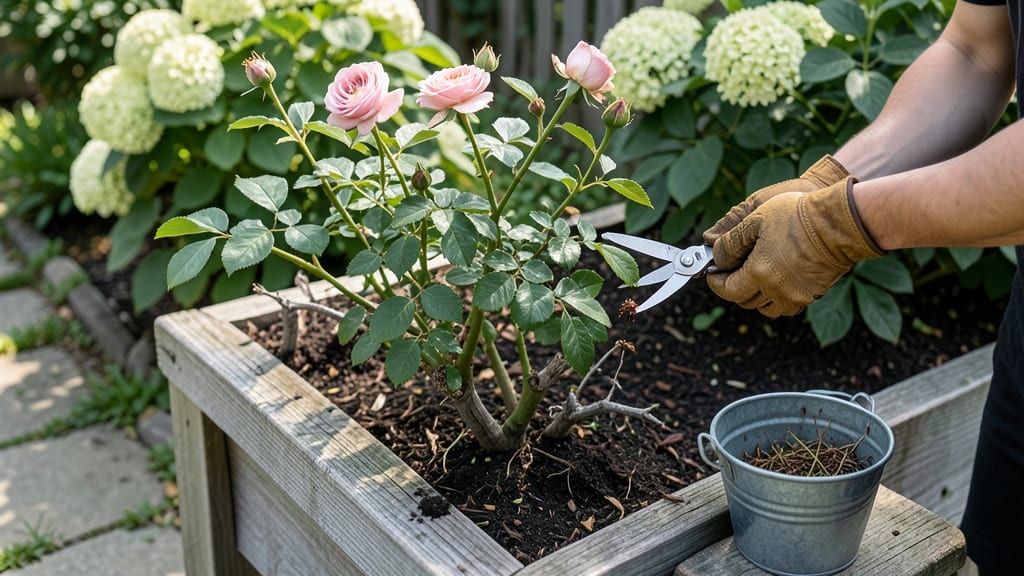
Your hands hold the secret to pruning like a pro—no tape measure needed. ✂️ I learned this trick after struggling with guesswork on branch sizes, and it’s now my go-to for quick, confident cuts.
The rule is simple: if a branch fits snugly in your hand, it’s perfect for hand pruners; thicker branches need loppers or a saw.
This method works for shrubs, small trees, and even perennials—just match the tool to the branch. A branch thicker than your wrist? That’s a saw job.
The goal is clean cuts that heal properly, not brute force. Most mistakes happen when we hesitate, so trust your grip and the tool’s leverage.
You’ll avoid those ugly stubs and weak cuts that invite disease. Healthy plants respond by directing energy where it matters—more blooms, stronger growth, and fewer surprises. The best part? You’ll finish faster than ever, with cuts that look like they were made by someone who actually knows what they’re doing.
Works for every pruning project, from spring cleanup to winter shaping. No more second-guessing—just grab your tools and go. Here’s how to apply it to your garden today.
📚 In This Guide
- What you need
- Instructions
- Tips and common mistakes
- Wrapping up and next steps
What you need
- ● Measuring Tape or Ruler: A flexible, 16-foot tape measure (for larger branches) or a 12-inch metal ruler (for precision hand measurements).
- ● Pruning Shears: Bypass pruners (for clean cuts) or anvil pruners (for thicker branches, up to 1.5 inches).
- ● Loppers: Long-handled loppers (for branches 1.5–2.5 inches thick).
- ● Pruning Saw: A folding pruning saw (for branches 2.5+ inches thick).
- ● Notebook & Pen: To record measurements and pruning notes.
- ● Gloves: Heavy-duty gardening gloves (for protection against thorns or rough bark).
- ● Safety Gear: Safety glasses and ear protection (if working with loud equipment).
- ● Handheld Laser Measure: For quick, no-contact measurements (great for hard-to-reach spots).
- ● Pruning Sealant: To prevent disease on larger cuts (e.g., tree wound paint).
- ● Step Stool or Ladder: A stable, non-slip ladder (for overhead pruning).
- ● Disinfectant Spray: To clean tools between cuts (70% rubbing alcohol works well).
- ● Camera or Phone: For documenting "before" and "after" shots of your pruning progress.
Quick hand measurement cheat sheet for pruning
Here’s how to eyeball pruning cuts without tools—just your hands and a little practice.
👆 Step 1: Measure Branch Thickness with Your Thumb
Wrap your thumb around the branch just above where you plan to cut. If it fits snugly, that’s your 1-inch rule—the standard for most pruning cuts. This works best for branches up to about 3 inches thick. For thicker branches, you’ll need pruning saws or loppers, but your thumb is perfect for lightweight maintenance.
I always start with my thumb because it’s a natural reference. If the branch feels too thick to wrap completely, step back—you’re likely dealing with a structural cut that needs professional tools. For 1-inch or smaller branches, this method keeps cuts clean and safe.
✂️ Step 2: Use Your Fingers to Gauge Cut Length
Hold your hand flat with fingers spread. The distance from your thumb knuckle to your index finger (about 3 inches) is your guide for where to make the cut. For most shrubs, aim to cut back to a bud or lateral branch within this span. This prevents over-pruning and encourages bushier growth.
If you’re pruning for shape, use your hand span (about 6-8 inches) to visualize the overall form. For example, when trimming boxwoods, I step back and check if the cut aligns with my hand’s width—this keeps hedges neat without over-trimming.
🌿 Step 3: Test Branch Weight with Your Palm
Grip the branch lightly with your palm. If it feels light enough to hold steady, it’s safe to prune with hand shears. If it’s too heavy or resists your grip, switch to loppers or a pruning saw. This simple test prevents accidents—no one wants to drop a 2-inch branch on their foot!
I also use this trick to spot dead or weak branches. If a branch feels hollow or brittle when pressed, it’s ready for removal. Healthy branches should have a firm, slightly springy feel. This helps me avoid leaving deadwood that can harbor pests.
🌱 Step 4: Compare to Common Objects for Precision
For branches thicker than your thumb, compare them to everyday objects. A pencil (½ inch) is great for tiny twigs, a standard pencil (¾ inch) fits medium cuts, and a highlighter (1 inch) is your upper limit for hand tools. This visual trick speeds up decisions—no measuring tape needed.
Here’s the thing—practice makes this foolproof. The first few times, you might grab a tape measure to double-check, but soon, your hands become your best tool. I’ve pruned hundreds of shrubs this way, and I’ve never misjudged a cut after a few seasons.
⏰ Step 5: Adjust for Season and Plant Type
In spring or summer, when plants are actively growing, use your hand measurements to prune back 1/3 of the new growth at most. For winter pruning, you can be bolder—cut back to your thumb’s width to shape dormant branches. Just remember: evergreens like boxwoods need less aggressive cuts than deciduous shrubs like lilacs.
For fruit trees, I use my hand to measure sucker removal—any shoot thicker than my thumb gets cut at the base. This keeps the tree’s energy focused on the main structure. The key is consistency: if your hand says "cut," trust it.
Tips & tricks for perfect hand pruning
Your hands are the most reliable tool in your pruning arsenal—here's how to use them like a pro.
Precision with Your Thumb: When measuring branches with your thumb in Step 1, remember that the key is snugness, not tightness. Your thumb should fit comfortably around the branch without squeezing—this ensures you're working with the perfect 1-inch standard. For branches that feel slightly larger than your thumb, you're often looking at the 1.25-inch range, which still falls within safe hand-shears territory. The trick is to visualize the branch's diameter as you wrap your thumb around it, not just feel it.
Visualizing Cut Length: In Step 2, when using your thumb knuckle to index finger span, try this pro move: Hold your hand up to the branch and mentally divide that 3-inch span into thirds. The outer third is where you'll make your cut, leaving two-thirds of the branch intact. This simple mental trick helps prevent over-pruning while maintaining that perfect shape. For boxwoods specifically, I find it helpful to visualize my hand span as a "window frame"—the cut should create a clean, rectangular shape within that frame.
Palm Test for Safety: The palm test in Step 3 isn't just about weight—it's also your secret weapon for identifying unhealthy branches. When you grip a branch and it feels hollow or makes a hollow sound when tapped, that's your cue to remove it immediately. Healthy branches should feel solid and slightly springy, like a good quality pencil. I've found that branches with this hollow quality often contain pests or disease, making this test doubly important for plant health.
Seasonal Adjustments: The seasonal guidelines in Step 5 deserve extra attention. In spring, when plants are most vulnerable, I like to think of my hand as a "third rule"—never remove more than what fits within my hand span (about 6-8 inches) of new growth. For winter pruning, you can be more aggressive, but never exceed that thumb measurement for structural branches. This seasonal flexibility is what makes hand pruning so adaptable throughout the year.
Pro Tips for Prune Size In Hand
- Your hands are the most reliable tool in your pruning arsenal—here's how to use them like a pro.
- Precision with Your Thumb: When measuring branches with your thumb in Step 1, remember that the key is snugness, not tightness.
- Visualizing Cut Length: In Step 2, when using your thumb knuckle to index finger span, try this pro move: Hold your hand up to the branch and mentally divide that 3-inch span into thirds.
Frequently asked questions
Got questions about prune size in hand? You’re not alone! Whether you’re a gardening pro or just starting, here are some of the most common queries—and quick, practical answers to keep your pruning game sharp.
What does “prune size in hand” mean?
Prune size in hand refers to the thickness of branches you can comfortably hold with one hand (typically 1–2 inches in diameter). This rule helps ensure you’re not overreaching with tools or risking injury. Always prioritize safety and tool capability over brute force!
When is the best time to prune based on branch size?
For small branches (size in hand), prune during dormant seasons (late winter/early spring) to minimize stress. Larger branches may need summer pruning to avoid sap loss. Always check your plant’s specific needs—some, like fruit trees, have unique timing rules!
Can I use hand pruners for branches bigger than my hand can hold?
Nope! Hand pruners max out at ~½ inch. For branches thicker than your hand (2+ inches), switch to loppers (up to 2 inches) or a pruning saw. Never force small tools—it’s a safety hazard and can damage your plant.
What if my pruned branches are uneven or jagged?
Uneven cuts are normal, but jagged edges can invite disease. Use sharp tools and make cuts at a 45-degree angle just outside the branch collar. For stubborn branches, score the underside first to prevent tearing. A little patience goes a long way!
How do I know if I’ve pruned too much?
Watch for excessive leaf drop, wilting, or slow regrowth—signs your plant is stressed. A good rule: Never remove more than 25% of the canopy in one session. For large trees, spread pruning over multiple seasons to avoid shock.
Wrapping up and next steps
Mastering prune size in hand is all about practice and precision—your newfound confidence will make every trim cleaner and more efficient! 🌿 Whether you’re shaping fruit trees, hedges, or shrubs, remember: the right tool and technique make all the difference.
Now that you’ve got the cheat sheet, grab your pruners and get growing! Start small with a single branch, refine your grip, and watch your green thumb shine.
Next step: Try measuring a few branches by hand, then compare them to your reference guide. Before you know it, pruning will feel like second nature! 🌱