
Pruning
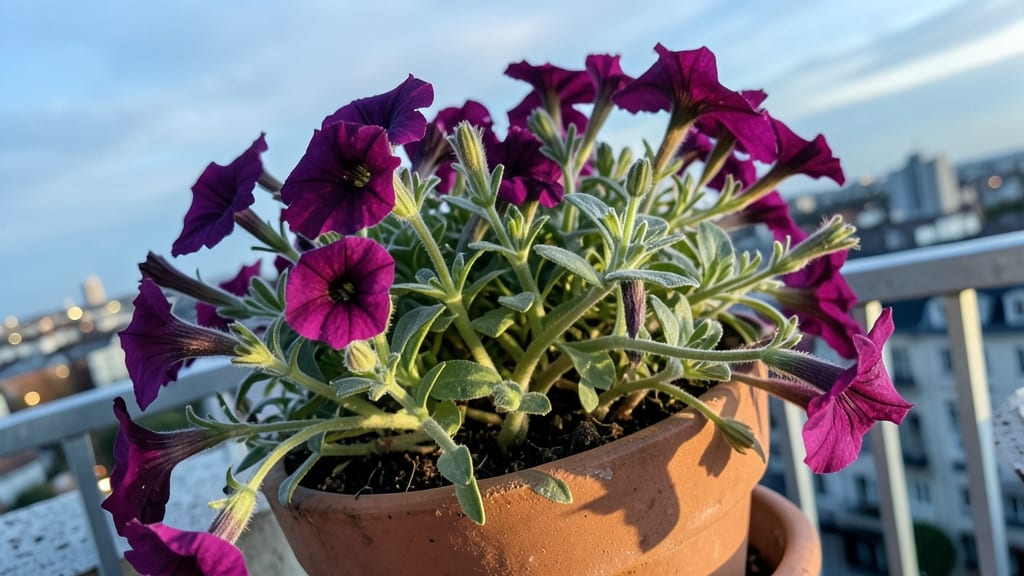
Wave petunias bloom nonstop with the right pruning technique. These 10 expert-backed methods will extend your season-long flowers while keeping plants healthy and vibrant—no matter your gardening experience level.
Early Spring Pruning for Bushier Growth
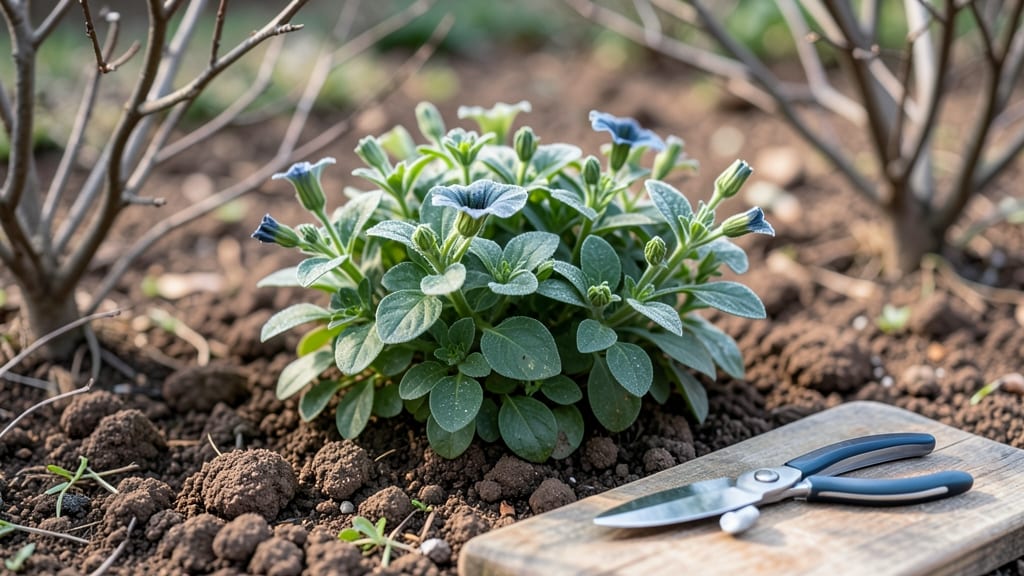
If you're new to gardening and want Wave petunias to thrive without the guesswork, early spring pruning is your secret weapon. This simple technique—done before buds even begin to swell—sets the stage for dense, bushy growth all season long, while avoiding the stress of pruning active plants.
Use clean, sharp shears to trim back one-third of the plant's height, focusing on leggy stems and crossing branches. This encourages the plant to branch out rather than stretch upward, creating a fuller, more compact shape. The key is timing: prune in early spring (just as new growth starts) when plants are still dormant but before buds break. Avoid pruning after buds swell, as this can shock the plant and reduce flowering potential.
This method is perfect for first-time gardeners because it’s forgiving and builds confidence—no need for complex techniques. By giving your petunias a fresh start early in the season, you’ll enjoy longer blooms and healthier plants with minimal effort. 🌱
Pinching Back New Growth Weekly
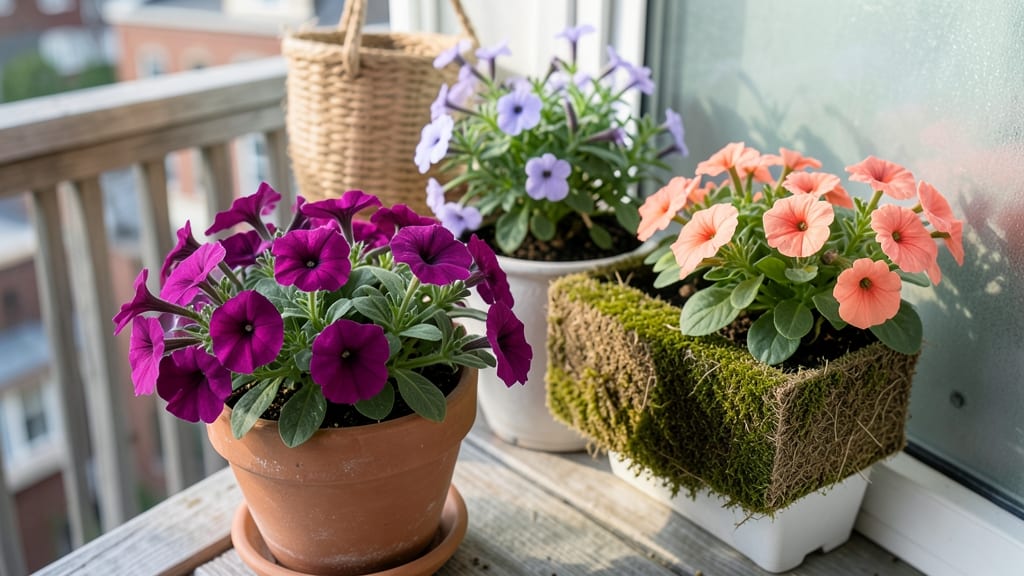
Container gardening with Wave petunias? Skip the sprawling mess by mastering the "pinch and repeat" method. This simple technique keeps your plants compact and blooming—perfect for small balconies, window boxes, and hanging baskets where space is limited.
Using just your fingers or clean pruning shears, pinch off the tips of new growth (about 1/3 of the stem) every 7-10 days during the growing season. This triggers branching, creating a bushier plant with more blooms per square inch. For container-specific tips, focus on the outer stems first to maintain shape and prevent stems from breaking in windy conditions.
Urban gardeners and small-space growers will love how this method transforms leggy plants into dense, bloom-packed—powerhouses. Just 5 minutes weekly keeps your petunias thriving. 💚
Deadheading Finished Blooms Daily
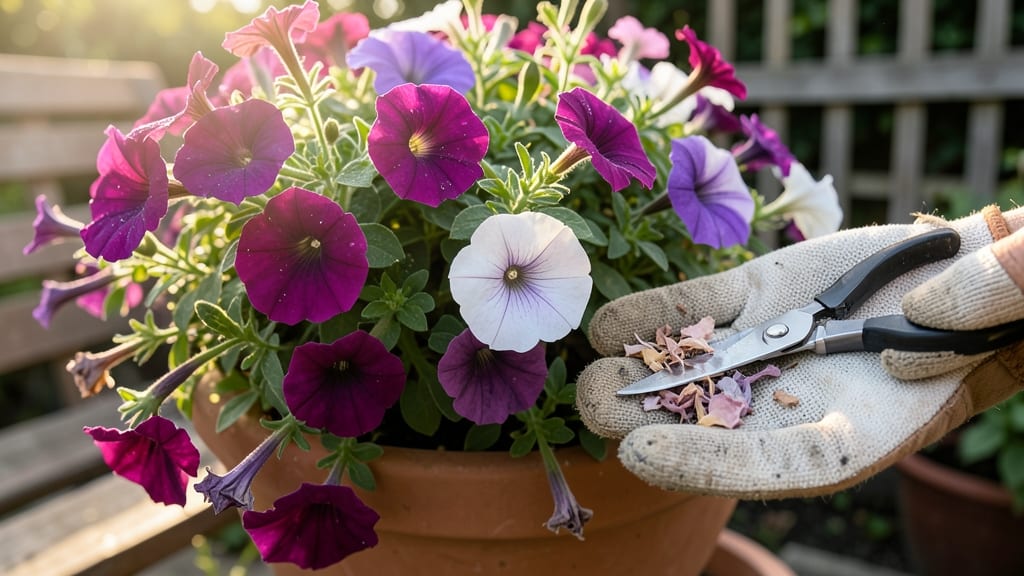
Want year-round florist-quality blooms from your Wave petunias? Daily deadheading is the secret weapon for cut-and-come-again gardens. By removing spent flowers before they seed, you redirect the plant’s energy from seed production to growing fresh buds—keeping your display lush and vibrant.
Use clean, sharp pruners or your fingers to snip just above the next set of leaves (the leaf node). For Wave petunias, focus on morning deadheading when blooms are fully open but before they wilt. This method extends your blooming season by 30-50% compared to plants left unpruned. Plus, the fresh cuts make perfect stems for bouquets!
This technique is especially valuable for urban gardeners with limited space or florists needing consistent, high-quality blooms. A daily 5-minute routine transforms your garden into a nonstop floral show. ✨
Post-Bloom Summer Pruning Reset
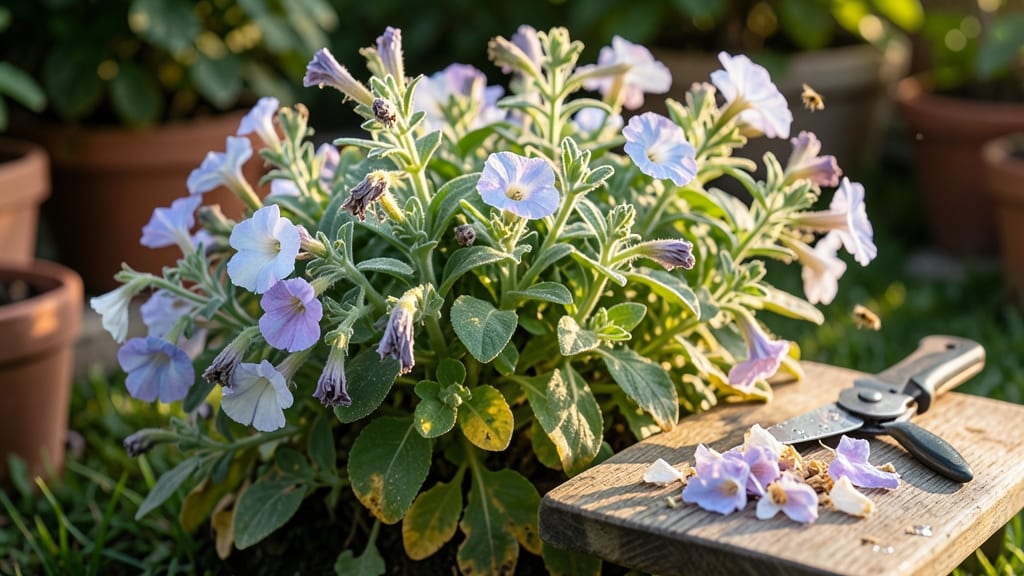
When your Wave petunias start looking tired after a long summer of blooming, it’s time for a mid-season reset. This strategic pruning isn’t just about tidying up—it’s about reviving your plants and preventing fungal problems before they take hold.
Cut back about one-third of the plant’s height, focusing on the oldest, leggiest stems first. Use clean, sharp shears to make cuts just above a leaf node, which encourages new growth from there. This post-bloom reset improves airflow, reducing humidity trapped in dense foliage that fuels fungal diseases like powdery mildew.
Urban gardeners and container growers will see the biggest benefits, as this technique prevents plants from becoming too top-heavy in small spaces. Just remember: prune on a cool morning to minimize stress on the plant. 💪
Shear Pruning for Uniform Hanging Baskets
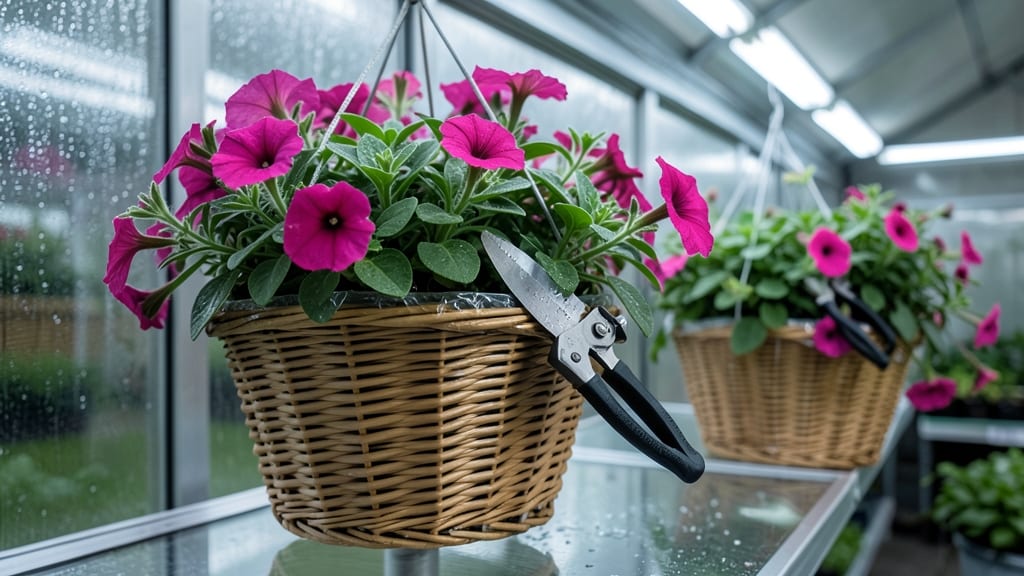
Commercial growers know that hanging baskets filled with Wave petunias need a polished finish to stand out. Shear pruning with hedge shears transforms wild, uneven growth into a uniform, showroom-ready display—ideal for retail nurseries and events.
Use electric hedge shears or heavy-duty hand shears to trim foliage to a consistent height, typically 6-8 inches for cascading varieties. Focus on the outer edges first to create a rounded silhouette, then fill in gaps to eliminate bare spots. Prune in early morning when plants are hydrated, and repeat every 2-3 weeks during peak growing season to maintain shape.
This method isn’t just for aesthetics—it boosts air circulation, reducing fungal risks and extending the life of your displays. Perfect for growers who sell by the basket, shear pruning ensures every customer sees a professional, lush presentation. ✨
Root Pruning for Potted Plants
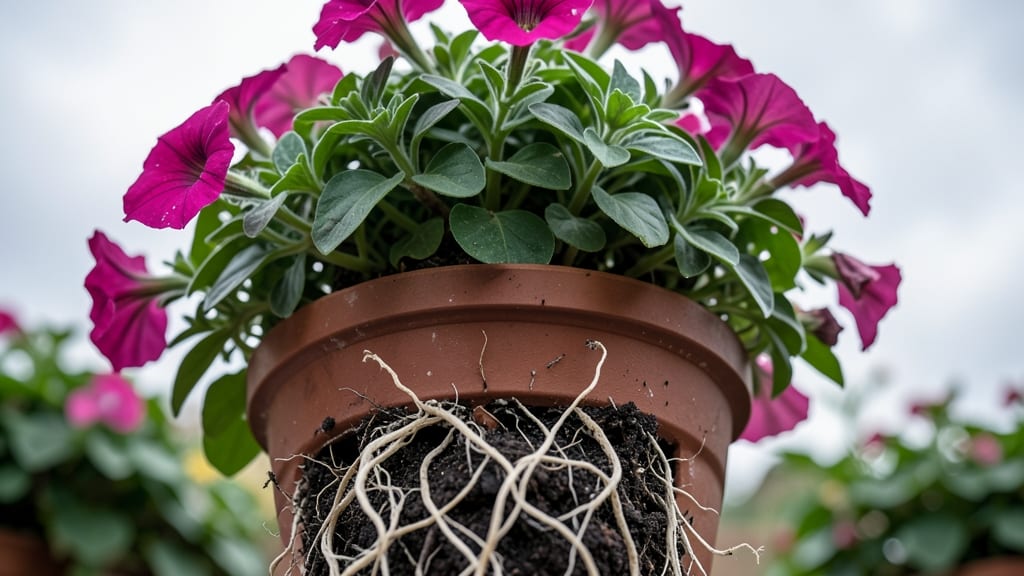
If your potted Wave petunias look stunted despite regular watering, the issue might be hidden below the soil—root-bound stress. When roots circle tightly in a container, they compete for nutrients, stunting growth and reducing blooms. The solution? A simple, non-invasive technique called root pruning that breathes new life into crowded pots.
Start by gently removing the plant from its container and loosening the root ball with your fingers, focusing on the outer edges where roots spiral. Trim any circular or overly dense roots with clean shears, then repot into fresh soil with a slightly larger container. This encourages roots to grow outward, accessing more nutrients and water. Do this once a year in early spring for container plants, or whenever you notice slowed growth or roots emerging from drainage holes.
This method is especially valuable for urban gardeners with limited space or anyone growing Wave petunias in small pots. By preventing root competition, you’ll see fuller foliage and more abundant blooms—without the need for harsh pruning. 🌱
Late Season Cleanup for Winter Prep
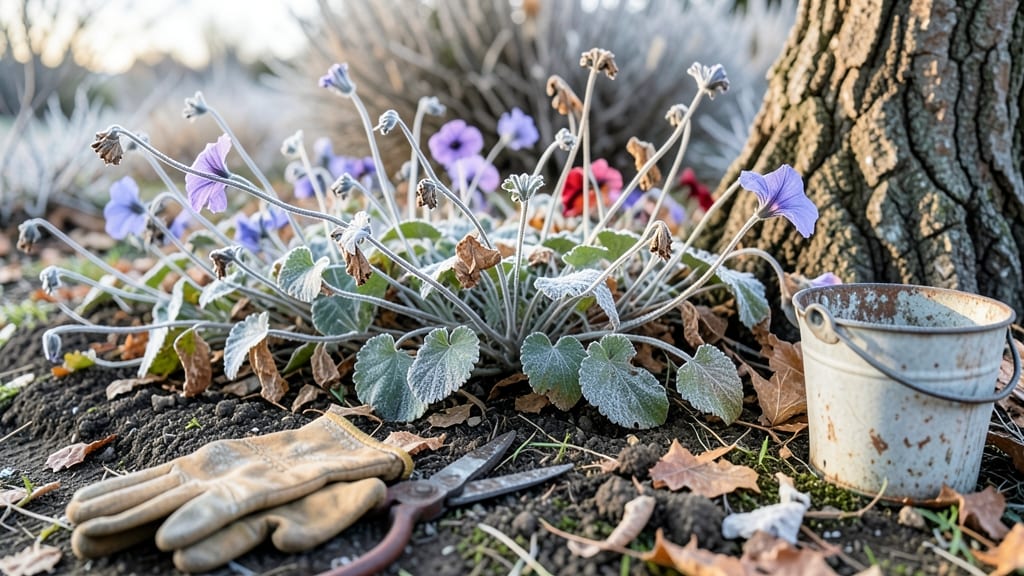
As the first frost paints your garden in silver, late-season cleanup becomes your secret weapon for next year's success—especially for Wave petunias that you treat as perennials. Skipping this step risks trapping moisture-loving diseases in dead foliage, turning your winter prep into a springtime battle.
After the first hard frost, snip all stems back to 2-3 inches above the soil using clean, sharp shears. This removes hiding spots for pests and fungal spores while allowing the crown to dry out, preventing rot from winter rains. For container-grown petunias, flip the pot to inspect roots—trim any circling roots before storing in a cool, dark place (40-50°F).
This method is a game-changer for gardeners in zones 8-10 who push their petunias to overwinter. Just 15 minutes of cleanup now means fewer springtime setbacks and healthier plants ready to rebound in warmer weather. 🌿
Pruning with Clean Tools Only
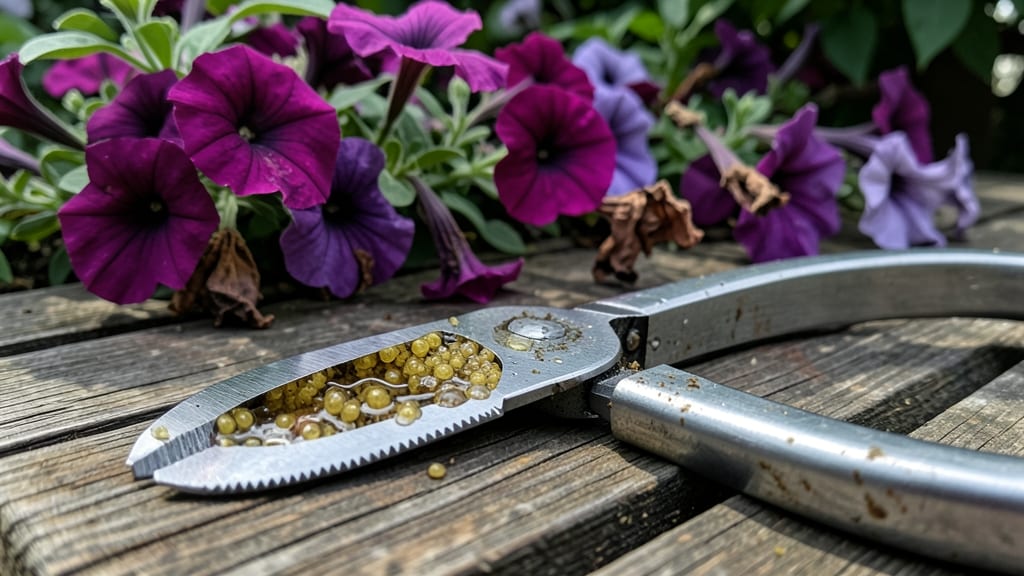
Your Wave petunias might look healthy, but hidden bacteria on your pruning shears could silently sabotage them. A single contaminated cut can introduce brown stem rot, turning vibrant blooms into wilted stems overnight—this isn't just a risk, it's a common pitfall for gardeners who skip sterilization.
Before you make a single cut, disinfect your shears with 70% rubbing alcohol or a 10% bleach solution (1 part bleach to 9 parts water). Wipe blades between every cut, especially when moving between plants or after pruning diseased foliage. For large gardens, carry a small spray bottle of diluted bleach solution for quick cleanups mid-session. This simple habit prevents bacterial spread that causes stem discoloration and sudden plant decline.
This step is especially critical for container gardeners and those growing Wave petunias in high-humidity areas, where bacterial diseases thrive. Just 30 seconds of sterilization can mean the difference between thriving plants and a season of lost blooms. 💚
Pruning for Cut Flower Production
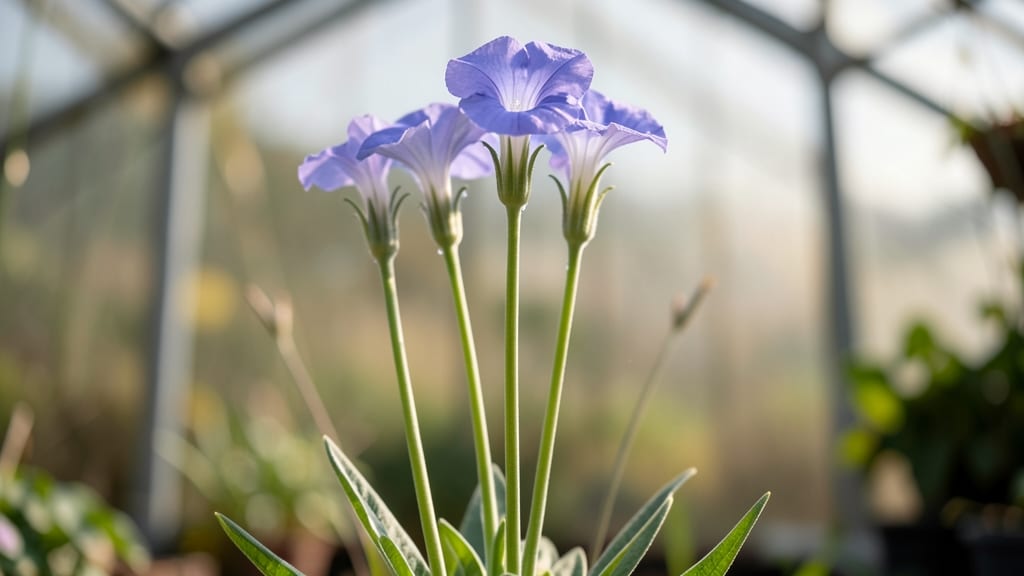
Florists know the secret to long-stemmed, leafy-free Wave petunia blooms lies in strategic pruning—not just cutting, but sculpting the plant for bouquet perfection. Unlike regular pruning, this technique focuses on removing side shoots while preserving the main stem, creating stems that can reach 18-24 inches with minimal foliage to weigh them down.
Start by identifying the strongest central stems—these will become your bouquet stems. Use clean, sharp shears to snip off side shoots just above a leaf node, redirecting energy upward. For maximum stem length, avoid pruning the top 1/3 of the plant to maintain growth momentum. Harvest stems in the early morning when water content is highest, and immediately place them in lukewarm water to prolong vase life.
This method is a game-changer for florists and serious cut-flower gardeners, ensuring longer stems with fewer leaves—the holy grail of bouquet arrangements—while keeping the parent plant vigorous for repeated harvests. 🌻
Pruning Wave Petunias in Containers

City balconies and rooftops demand a pruning strategy that keeps Wave petunias thriving despite wind and limited space. Unlike traditional top-down pruning, this bottom-up technique strengthens stems at their weakest point—where they meet the soil—while freeing up container capacity for more blooms.
Start by removing the oldest, leggiest stems from the base, cutting just above a leaf node. This encourages new growth from the center while preventing wind from snapping fragile stems. For urban containers, use lightweight, wind-resistant pots and prune every 2-3 weeks during peak bloom to maintain shape. The key is to avoid overcrowding—leave space between stems for airflow, which reduces disease risk in tight quarters.
This method is perfect for balcony gardeners and small-space enthusiasts who want lush, long-lasting blooms without sacrificing container real estate. With this approach, your petunias will stay compact, resilient, and bursting with color all season. 🌻