
Pruning
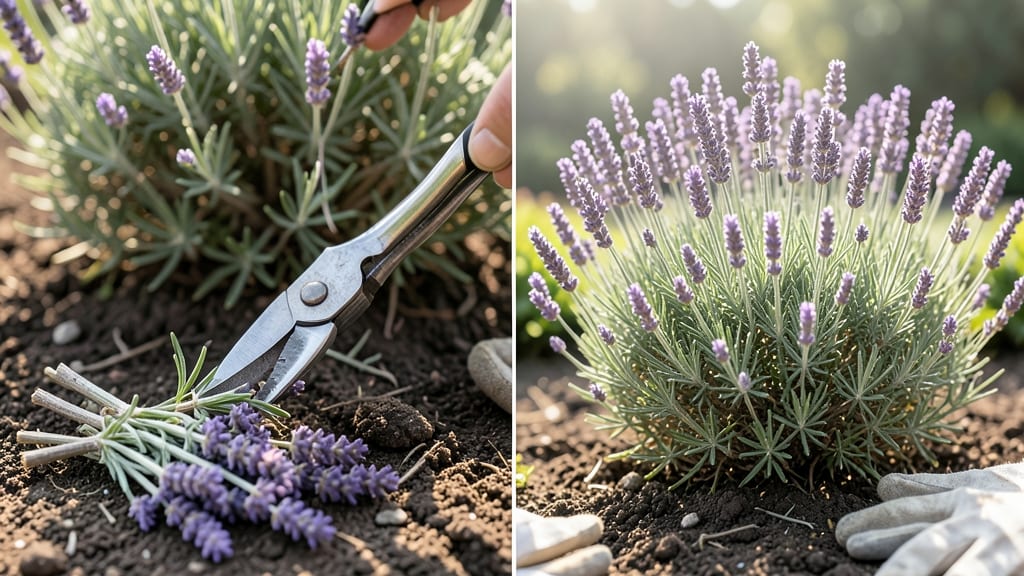
Pruning English lavender plants keeps them fragrant and bushier for years—if you do it right. ✂️ I’ve learned the hard way that aggressive cuts turn woody stems into bare sticks, but gentle shaping in the right season unlocks lush, purple blooms that perfume the garden all summer.
The key isn’t just timing; it’s understanding how lavender grows and what it needs to thrive after each trim.
You only need three tools: sharp bypass pruners (dull blades tear stems), clean garden shears for larger cuts, and a small rake to clear debris. Work on a dry morning after dew has evaporated—never prune wet lavender, or you’ll risk fungal issues.
And here’s the secret: never cut more than one-third of the plant at once, or you’ll stress it into dormancy before its time.
The best time to prune is right after flowering, when spent blooms turn brown but fresh green growth is still pushing. This encourages dense new shoots for next year’s blooms.
For shaping, focus on removing leggy stems at the base and thinning crowded centers to improve airflow—think “open vase” shape, not tight balls. Afterward, water lightly to help recovery, but avoid soaking the soil.
English lavender is forgiving, but it remembers mistakes. Over-pruning in spring can delay blooms, while skipping yearly trims lets it become woody at the base. The payoff? A bush that smells like Provence, stays compact, and blooms heavier each season.
Start small—just a few stems—and watch how it responds before committing to bigger cuts.
📚 In This Guide
- What you need
- Instructions
- Tips and common mistakes
- Wrapping up and next steps
What you need
- ● Pruning shears or secateurs: Choose bypass pruners (not anvil-type) with sharp, stainless-steel blades to avoid crushing stems. A 5-inch to 7-inch blade is ideal for lavender. Pro tip: Disinfect blades with rubbing alcohol before and after use to prevent disease spread! 💡
- ● Garden gloves: Opt for cut-resistant, breathable gloves (e.g., leather or synthetic mesh) to protect your hands from thorns and sharp stems.
- ● Sharp garden knife or pruning saw: For thicker stems (over ½ inch in diameter), a serrated pruning saw works best.
- ● Rake or leaf blower: To clear away debris and fallen leaves after pruning.
- ● Watering can or hose with a gentle spray nozzle: Keep your lavender hydrated post-pruning to reduce stress.
- ● Compost or mulch: A 2-3 inch layer of organic mulch (like straw or wood chips) to retain moisture and suppress weeds.
- ● Hand pruners with ergonomic grips: Reduces hand fatigue during longer pruning sessions.
- ● Knee pads or a small stool: Makes crouching or kneeling more comfortable for extended periods.
- ● Spray bottle with diluted neem oil (1 tsp per quart of water): Helps prevent fungal issues if your lavender is prone to mildew.
- ● Labeling tags or markers: If you’re dividing or replanting cuttings, label them to track varieties.
- ● Sunscreen and a hat: Lavender pruning often means working in the sun—stay protected! ☀️
Step-by-Step guide to pruning English lavender
Here's how to coax your lavender into a fuller, fragrant bush—without killing it.
✂️ Step 1: Time Your First Prune After Flowering
Wait until late summer or early fall—after the blooms have faded but before hard frost. This is when lavender stores energy for next year's growth. I always prune mine in September because it gives the plant time to harden off before winter. Never prune in spring or you'll sacrifice that year's flowers.
Look for spent flower stems that look dry and papery. These are safe to cut back. New growth will emerge from the base, creating a denser plant. If you prune too early, you'll encourage tender new growth that won't survive winter.
✂️ Step 2: Shape with Clean, Sharp Cuts Only
Use bypass pruners (never dull shears) to make 45-degree cuts just above a set of healthy leaves or buds. I avoid cutting into old wood—lavender rarely regrows from bare stems. For established plants, trim back one-third of the previous year's growth to maintain shape while encouraging bushiness.
Focus on the outer stems first to open up the center for air circulation. This prevents fungal issues. If your lavender looks leggy, cut back the longest stems by half. You'll see fresh green growth at the base within 2-3 weeks—that's your reward for proper timing.
✂️ Step 3: Light Maintenance Pruning in Spring
In early spring (March-April), do a quick tidy-up by removing any dead or crossing branches. This keeps the plant looking neat without stimulating too much new growth before summer. I never cut more than 5-10% of the plant's total volume—just enough to shape it.
Watch for any stems that grew too long over winter. Trim these back to 6-8 inches from the base to encourage branching. The key is to let lavender retain its natural, slightly wild shape—it's part of its charm. Over-pruning in spring leads to weak, sparse growth.
✂️ Step 4: Renew Old Plants with Rejuvenation Pruning
If your lavender has become woody at the base with few leaves, it's time for a drastic but effective rejuvenation. In late winter, cut back all the stems to 3-4 inches above the base. This might look brutal, but lavender is tougher than it appears.
You'll see new shoots emerge from the base within 3-4 weeks. Keep the soil moist (but not soggy) during this recovery period. It takes 1-2 seasons for the plant to fully recover, but the result is a vigorous, bushy lavender that will last for years.
🌿 Step 5: Year-Round Care After Pruning
After any pruning, water deeply to help the plant recover. Lavender is drought-tolerant once established, but fresh cuts need moisture to heal. I avoid watering from above—it can cause rot at the cut stems. Instead, water at the base.
In winter, leave pruned stems intact—they provide some protection against freezing. If you live in a very cold climate, mulch lightly around the base with 2-3 inches of gravel (lavender hates wet soil). The plant will reward you with more abundant blooms next season if you've pruned correctly.
Tips & tricks for perfect lavender pruning
These simple techniques will help you transform your lavender from sparse to lush without risking its health.
Seasonal Timing Matters: The September pruning window in Step 1 is non-negotiable for English lavender. I've learned this the hard way—pruning too early in summer encourages tender growth that won't survive frost. Look for those dry, papery flower stems as your cue; they'll be the first to signal it's time. If you miss September, wait until late winter for rejuvenation pruning (Step 4) rather than attempting spring cuts.
Tool Precision Prevents Damage: Never use garden shears for lavender—they crush stems. Invest in a good pair of bypass pruners and make those 45-degree cuts precisely above leaf nodes (Step 2). I keep a small pair dedicated just to lavender to avoid cross-contamination with other plants. For thick stems, make two cuts: one to notch the stem, then another to complete the cut cleanly. This prevents tearing that can invite disease.
Visual Growth Cues: After your September pruning, watch for fresh green shoots emerging from the base within 2-3 weeks (Step 2). These are your reward for proper technique. In spring (Step 3), focus on removing only dead or crossing branches—never more than 10% of the plant's volume. You'll know you're doing it right when you see new branching at the base of those 6-8 inch stems you trimmed back.
Pro Tips for Pruning English Lavender Plants
- These simple techniques will help you transform your lavender from sparse to lush without risking its health.
- Seasonal Timing Matters: The September pruning window in Step 1 is non-negotiable for English lavender.
- Tool Precision Prevents Damage: Never use garden shears for lavender—they crush stems.
Frequently asked questions
Got questions about pruning English lavender?
You’re not alone! Here are answers to the most common concerns—from timing to troubleshooting—so you can keep your plants thriving.
When is the best time to prune English lavender?
Prune English lavender after flowering (late summer to early fall) to encourage new growth. Avoid heavy pruning in spring or winter, as this can damage tender new shoots. For light shaping, a quick trim in early spring is fine—but never cut into old wood!
How much should I cut back my lavender plants?
Never remove more than ⅓ of the plant’s height in a single pruning session. For mature English lavender, aim for a light trim (1–2 inches) to maintain shape. Over-pruning can kill the plant or leave it vulnerable to disease. Think "less is more"!
What if I prune at the wrong time?
Pruning too early (before flowering) or too late (after hard frost) can stress your lavender. If you’ve already made a mistake, don’t panic! Just skip heavy cuts that season and focus on watering deeply and avoiding fertilizer. Recovery is possible with patience.
Can I prune lavender in winter?
Winter pruning is not recommended for English lavender, as cold weather slows healing. However, you can do a very light cleanup in late winter (before new growth starts) to remove dead stems. Wait until spring for any major shaping to avoid frost damage.
Will pruning make my lavender bushier?
Yes! Pruning stimulates new growth at the base, creating a fuller, denser plant. Focus on cutting just above a leaf node (the bump where leaves grow) to encourage branching. Over time, this will give you that lush, fragrant hedge you love!
What if my lavender looks leggy after pruning?
Leggy growth happens when lavender gets too little light or is over-pruned. To fix it, move the plant to full sun (6+ hours daily) and reduce pruning to just shaping. Fertilize lightly with low-nitrogen food (like 5-10-10) in early spring to promote balanced growth.
Wrapping up and next steps
Pruning your English lavender isn’t just about keeping it tidy—it’s the secret to unlocking lush, fragrant blooms and a fuller, healthier plant year after year! 🌿 By following the right timing, techniques, and tools, you’ll encourage vibrant growth while preserving that signature lavender scent.
Whether you’re a seasoned gardener or just starting out, a little effort now means rewarding results for seasons to come.
Ready to transform your lavender into a thriving centerpiece? Grab those shears and start pruning with confidence—your garden (and your senses!) will thank you. Next, explore how to propagate your pruned cuttings for even more lavender magic!