
Pruning
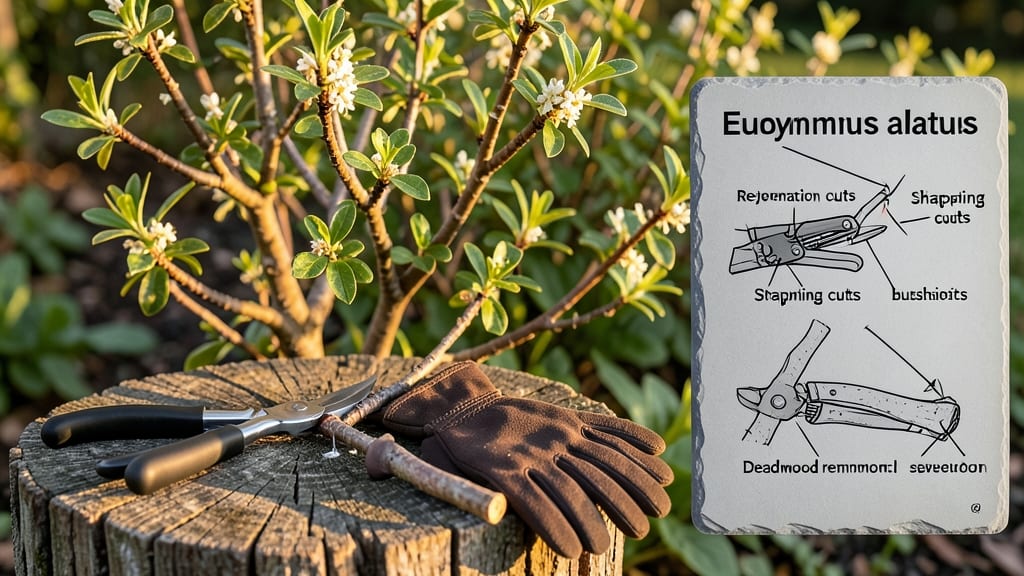
Pruning euonymus shrubs transforms them from scraggly to showstopping—year-round with the right timing and technique. 🌿 I’ve spent years watching these tough shrubs bounce back after cuts, and the secret isn’t just when you prune, but how you make each snip count.
A single misplaced cut can turn a lush hedge into a tangled mess, but master the basics, and you’ll end up with denser growth, brighter foliage, and branches that don’t snap in storms.
The best time to prune depends on your goal: light shaping after flowering in late summer keeps them tidy, while major rejuvenation in early spring encourages fresh, vigorous growth.
You only need three tools—a sharp pair of bypass pruners, loppers for thicker branches, and gloves to protect your hands from those spiky stems. The key? Cut just above a leaf bud or outward-facing branch to encourage growth in the direction you want.
After pruning, your euonymus will reward you with thicker, fuller branches within a season—no more bare spots or weak stems. The foliage turns a deeper green, and those signature red berries (if you have a fruiting variety) become even more vibrant.
For hedges, keep cuts clean and angled to avoid water pooling on leaves, which can lead to rot.
Works for both formal hedges and informal shrubs, whether you’re dealing with Burning Bush euonymus or the classic Euonymus japonicus. The same principles apply year-round—just adjust the intensity based on the season. Ready to give your shrubs a fresh start?
📚 In This Guide
- What you need
- Instructions
- Tips and common mistakes
- Wrapping up and next steps
What you need
- ● Sharp bypass pruners – Choose bypass pruners (not anvil) for clean cuts. Opt for 5-inch to 7-inch handles for better leverage.
- ● Loppers (18–24 inches) – For thicker branches (½ inch or larger). Look for ratcheting or bypass-style loppers for precision.
- ● Hand saw or pruning saw – For branches over 1 inch thick. A curved-tooth saw minimizes tear-out.
- ○ Extension pole (optional but helpful) – A 3–6 foot telescoping pole with pruners/loppers for hard-to-reach branches.
- ● Gloves (cut-resistant) – Protect your hands from thorns and rough branches.
- ● Safety glasses – Prevent debris from flying into your eyes.
- ● Disposable pruning bags or bucket – Collect clippings for composting or disposal.
- ○ Rubbing alcohol or bleach solution (1:9 ratio) – Optional but recommended to sterilize tools between cuts and prevent disease spread.
- ● Clear weather – Prune on a dry, calm day to avoid spreading fungal spores.
- ● Time of year – Plan pruning based on your Euonymus variety (e.g., late winter/early spring for most types, summer for shaping).
- ● Water source – Keep a hose nearby to rinse tools and hydrate the plant post-pruning.
Step-by-step guide to pruning euonymus shrubs for healthier growth
Here’s how I prune euonymus to keep them lush, encourage new growth, and avoid common mistakes that weaken branches.
✂️ Step 1: Choose the Right Time for Pruning
Euonymus responds best to pruning in late winter or early spring, just before new growth begins. This timing ensures you remove dead wood while leaving healthy buds intact for the growing season. Avoid heavy pruning in fall—it stimulates tender new growth that won’t survive winter cold.
If you spot dead or diseased branches at any time, remove them immediately to prevent spread. I always check for brown, brittle stems or mushroom-like growths—these are clear signs of trouble. For shaping, wait until late winter when the shrub is dormant but about to wake up.
🌿 Step 2: Gather the Right Tools and Clean Up
Use sharp, clean pruning shears for small branches and loppers for thicker stems. Dull tools crush branches, slowing healing. Before you start, wipe blades with rubbing alcohol to prevent spreading disease between cuts.
I also keep a small bucket of soapy water nearby to dip tools after each cut—this removes sap and bacteria. Wear gloves too; euonymus sap can irritate skin. If you’re pruning a large shrub, grab a step stool—reaching awkwardly leads to uneven cuts and weak branches.
✂️ Step 3: Remove Dead, Diseased, or Crossing Branches First
Start by cutting out dead wood—it’s the easiest way to improve airflow and light penetration. Look for branches that are hollow, shriveled, or lack leaves. Next, remove any crossing or rubbing branches—these create wounds where pests and diseases take hold.
Make your cuts just outside the branch collar, the swollen area where the branch meets the trunk. Avoid leaving stubs—this prevents decay. If a branch is diseased, bag and dispose of it immediately—don’t compost it. I always prune from the bottom up to avoid standing on unstable branches.
☀️ Step 4: Shape the Shrub for Balance and Light
Step back and assess the shrub’s natural shape. Euonymus grows best with an open, airy structure, so aim to thin out the center. Remove up to one-third of the oldest branches to encourage younger, more vigorous growth from the base.
For a rounded shape, cut branches at a 45-degree angle just above a bud facing outward. Avoid cutting into the center of the shrub—this creates a dense, shaded interior where diseases thrive. If you’re pruning for hedges, keep cuts even and horizontal for a clean edge.
🌱 Step 5: Finish with a Light Cleanup and Aftercare
Once you’ve made all your cuts, remove fallen debris and dispose of it properly. Water the shrub deeply to help it recover, especially if you’ve done heavy pruning. Avoid fertilizing right after—wait 4-6 weeks to let the cuts heal before encouraging new growth.
Watch for new shoots in spring—they’re a sign your pruning worked. If the shrub looks sparse, consider lightly fertilizing in early spring with a balanced, slow-release fertilizer. And here’s the thing—don’t over-prune. Euonymus is resilient, but aggressive cuts stress the plant and take years to recover.
Tips & tricks for pruning euonymus shrubs
Here's the thing—pruning euonymus isn't just about cutting branches. It's about understanding when, where, and how to cut to keep your shrub thriving for years.
Timing is Everything: The late winter to early spring window is critical because that's when euonymus is dormant but ready to burst into growth. If you prune too early, you risk removing next year's buds. If you wait too late, you might stimulate growth that won't survive winter. I've learned this the hard way—once I pruned in fall and ended up with frost-damaged new growth by spring. Mark your calendar for that late winter date!
Tool Sharpness Matters: Dull pruning shears don't just make the job harder—they crush branches, creating larger wounds that take longer to heal. I keep a small file in my toolkit to sharpen blades between uses. For thick branches over ½-inch, loppers are essential. And here's a pro move: Wipe your tools with rubbing alcohol between cuts on different branches to prevent spreading any potential diseases hiding in the plant's sap.
Shape with Purpose: When you're shaping in Step 4, think about creating an open center rather than a dense mass. Euonymus loves light and air circulation. I like to visualize the shrub's natural growth pattern and work with it, not against it. For rounded shapes, make your cuts just above an outward-facing bud—this ensures new growth continues in the direction you want. And remember, those 45-degree angles aren't just for looks; they help water run off the cuts properly.
Aftercare is Non-Negotiable: That 4-6 week wait before fertilizing is crucial for healing. The shrub needs time to seal its wounds and establish new growth. I've seen too many gardeners rush this step and end up with stressed plants that never fully recover. After pruning, give your euonymus a deep watering to help it bounce back, especially if you've done significant shaping. Think of it like giving your plant a good drink after a workout!
Pro Tips for Pruning Euonymus Shrubs
- Here's the thing—pruning euonymus isn't just about cutting branches.
- Timing is Everything: The late winter to early spring window is critical because that's when euonymus is dormant but ready to burst into growth.
- Tool Sharpness Matters: Dull pruning shears don't just make the job harder—they crush branches, creating larger wounds that take longer to heal.
Frequently asked questions
Got questions about pruning your euonymus shrubs? You’re not alone! Here are some of the most common concerns—plus clear answers to keep your plants thriving.
When is the best time to prune euonymus shrubs?
Late winter or early spring (just before new growth starts) is ideal for structural pruning. Light trimming to remove dead or crossing branches can happen anytime, but avoid heavy cuts in fall—it may stimulate tender new growth that won’t survive winter.
How do I know which branches to cut?
Focus on:
- Dead or diseased branches (brown, brittle, or oozing sap)
- Crossing/overlapping branches (rubbing creates wounds)
- Leggy or weak growth (thinning out improves airflow)
- Overly dense areas (aim for an open, airy shape)
Can I prune euonymus in summer?
Yes, but lightly! Summer pruning should only target:
- Shaping (to maintain form)
- Removing flower spikes (if blooming varieties)
- Pinching back new growth (to encourage bushiness)
What if my euonymus isn’t recovering after pruning?
Check for:
- Over-pruning (never remove >1/3 of foliage at once)
- Pests/disease (yellowing leaves? Inspect for spider mites or fungal spots)
- Poor soil/water (ensure well-draining soil and consistent moisture)
Are there alternatives to pruning for shaping euonymus?
If pruning feels overwhelming, try:
- Topiary training (use wire frames for formal shapes)
- Selective fertilizing (focus nutrients on desired branches)
- Mulching (improves root health for natural fullness)
Wrapping up and next steps
Pruning your euonymus shrubs doesn’t have to be daunting—just a little timing, technique, and tender love care go a long way! 🌿 With the right tools, seasonal know-how, and a sharp eye for dead or overgrown branches, you’ll keep your shrubs thriving for years.
Now that you’re armed with expert tips, grab those pruners and give your euonymus the fresh start it deserves—your garden will thank you!
Next step: Mark your calendar for seasonal pruning sessions and watch a quick video tutorial to see the process in action. Happy pruning!