
Pruning
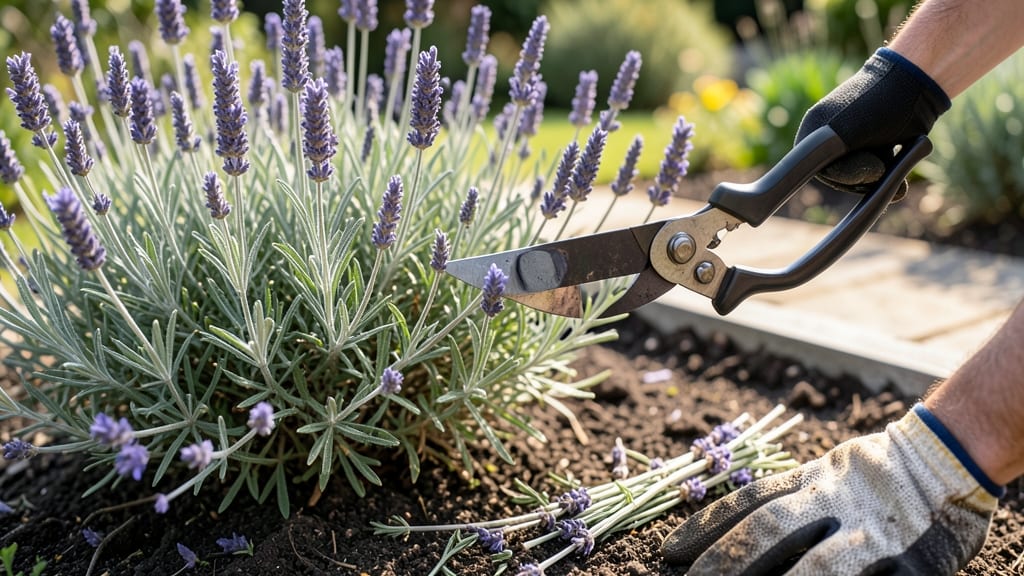
Your lavender bushes will smell shockingly stronger this summer if you prune them right. ✂️ I’ve turned my once-woody, leggy lavender into a fragrant, bushy masterpiece by following these simple steps—no green thumb required. The key? Timing, sharp tools, and knowing exactly where to cut.
Start with clean, sharp pruners and a sunny morning after the first frost in early spring. You’ll trim just the dead or overgrown stems, cutting at a 45-degree angle about ⅓ of the way down.
This encourages new growth while keeping the plant’s natural shape. Avoid pruning in fall or winter—lavender needs time to recover before cold sets in.
After pruning, your bushes will burst with silver-green foliage and double the fragrance by midsummer. The secret’s in the patience—never cut more than ⅓ of the plant at once, and always prune after flowering to avoid sacrificing next year’s blooms.
A light trim in late summer keeps them tidy without stressing the plant.
This method works for all lavender types—English, French, or Spanish—whether you’re growing in pots or garden beds. The first year might feel slow, but by year two, you’ll have a neighborhood-famous fragrant hedge. Let’s get those shears ready!
📚 In This Guide
- What you need
- Instructions
- Tips and common mistakes
- Wrapping up and next steps
What you need
- ● Pruning shears: Bypass pruners (sharp, clean, and 4-6 inch blades for precision). Avoid anvil pruners—they can crush stems.
- ● Hand pruners: Small, ergonomic (for trimming finer stems or hard-to-reach spots). Look for stainless steel or carbon steel blades.
- ● Gloves: Garden gloves (thick, cut-resistant to protect against thorns and sharp stems). Opt for nitrile-coated for durability.
- ● Disinfectant: Rubbing alcohol (70%+) or hydrogen peroxide (3%) to sterilize tools between cuts (prevents disease spread).
- ○ Rake or broom: Stiff-bristled (to clear fallen debris after pruning). A leaf blower (optional but handy for larger areas).
- ● Loppers: For larger lavender bushes (if stems exceed 1 inch in diameter). Choose bypass-style with 8-10 inch blades.
- ● Pruning saw: If dealing with woody, overgrown stems (rare for lavender but useful for neglected bushes).
- ● Compost bin or bag: To collect clippings for mulch or disposal (lavender trimmings are not compostable—they take too long to break down).
- ● Knee pad or stool: For comfort during long pruning sessions (especially for ground-level lavender).
- ● Timing: Prune in late spring or early summer (after flowering) or early spring (before new growth). Avoid pruning in fall or winter—lavender is dormant and vulnerable.
- ● Weather: Choose a dry, overcast day (wet conditions stress lavender and invite fungal issues).
- ● Sunlight: Ensure your lavender gets 6+ hours of direct sun daily (pruning stimulates growth, but poor light = leggy, weak plants).
Step-by-step instructions for pruning lavender bushes
Here’s how I prune lavender for fuller growth and lasting fragrance—no guesswork, just results.
✂️ Step 1: Prune After Blooming in Late Spring or Early Summer
Wait until right after flowering—usually June or early July—before cutting back. This ensures you don’t remove next year’s buds hidden in the stems. Look for spent flower spikes first; they’ll appear browned or dried out. Snip these 1/3 of the way down the stem using sharp bypass pruners (never dull shears—they crush stems).
I like to prune on a dry, sunny morning when the plant is fully hydrated. Avoid pruning in wet conditions—this can invite fungal diseases. If you missed the window, don’t panic; lavender can handle light pruning in early fall too, though growth may be slower to recover.
✂️ Step 2: Shape the Bush for Density and Airflow
Once you’ve removed the flower spikes, focus on shaping the plant’s silhouette. Lavender grows best when slightly rounded and full—never let it become too leggy or flat. Use your pruners to trim just the tips of the new growth, cutting at a 45-degree angle to encourage branching. This prevents water from pooling on the stems.
I avoid cutting into old wood—woody stems are brown and brittle—because lavender struggles to regrow from there. Instead, target green, flexible stems for pruning. If your bush looks sparse, you can lightly trim 1/4 inch off the tips of a few stems to encourage bushier growth. Never remove more than 1/3 of the plant’s total height in one session.
🌿 Step 3: Lightly Prune in Late Summer for Spring Prep
In late August or early September, give lavender a light maintenance trim to tidy up any straggly growth. This isn’t about heavy pruning—just snipping off any dead or dying branches and trimming back any stems that have grown too long. Use the same 45-degree angle to avoid water damage.
This step is all about prepping for next spring’s growth. I like to leave the plant slightly ragged-looking—lavender doesn’t need to be perfect. The goal is to remove only what’s necessary so the plant can focus its energy on root development over winter. Avoid pruning after mid-September, as new growth won’t have time to harden off before cold weather.
⏰ Step 4: Avoid Winter Pruning (Let Nature Do the Work)
Lavender is dormant in winter, and pruning during this time can stimulate tender new growth that won’t survive frost. Instead of cutting back, remove any dead or broken branches in early spring—February or March—just before new shoots appear. This keeps the plant healthy without disrupting its natural cycle.
Here’s the thing—lavender doesn’t need heavy pruning in winter. In fact, over-pruning can kill the plant by exposing old, woody stems. If your lavender looks woody and bare, it’s a sign you’ve pruned too aggressively in past years. From now on, stick to light shaping in summer and minimal cleanup in spring. Patience pays off with fragrant, bushy lavender for years.
Tips & tricks for perfect lavender pruning
Here's what nobody tells you about keeping your lavender lush and fragrant year after year.
Timing Secret: The June-July window is critical because lavender buds form after flowering. I learned this the hard way—cutting too early removed next year's blooms. If you miss the window, early fall pruning is better than nothing, but expect slower regrowth. The plant's natural cycle matters more than your schedule.
Tool Technique: Sharp bypass pruners are a game-changer—they make clean cuts that heal faster. I always clean my pruners with rubbing alcohol between plants to prevent spreading disease. Dull shears crush stems, which invites rot and weakens the plant. Think of it like giving your lavender a spa treatment—precision matters.
Pruning Angle: That 45-degree cut isn't just for looks—it prevents water from pooling on the stems, which causes fungal issues. I remember seeing a neighbor's lavender turn brown after heavy rains because they cut straight across. The angle also encourages new growth by exposing more surface area to sunlight. It's a small detail that makes a big difference in plant health.
Winter Wisdom: Never prune during dormancy—this is the biggest mistake I see. Winter pruning stimulates tender new growth that won't survive frost. Instead, wait until early spring when new shoots appear. The plant's natural rhythm is your guide; respect it, and you'll get years of fragrant blooms without the guesswork.
Pro Tips for Pruning Lavender Bushes
- Here's what nobody tells you about keeping your lavender lush and fragrant year after year.
- Timing Secret: The June-July window is critical because lavender buds form after flowering.
- Tool Technique: Sharp bypass pruners are a game-changer—they make clean cuts that heal faster.
Frequently asked questions
Got questions about pruning lavender? You’re not alone! Here are answers to the most common concerns—whether you're a first-timer or a seasoned gardener looking to refine your technique.
When is the best time to prune lavender bushes?
Prune lavender after it blooms in late spring or early summer. Avoid cutting back in fall or winter—this can damage tender new growth. For established bushes, a light trim in late summer (after flowering) also works, but never prune into old wood or you’ll sacrifice next year’s blooms!
How much should I trim lavender bushes?
Never remove more than one-third of the plant’s height in a single pruning. For young lavender, keep it tidy with a light trim to encourage bushiness. Mature plants benefit from a harder cut (but still no more than 1/3) to rejuvenate growth. Think of it like a haircut—less is more!
What if I prune lavender at the wrong time?
Pruning lavender in fall or winter can shock the plant, leading to dead or leggy growth. If you’ve already over-pruned, don’t panic! Water deeply, avoid fertilizing, and wait until spring to see if new shoots emerge. If the center looks bare, it might be time to propagate cuttings or replace the plant.
Can I prune lavender bushes in winter?
Winter pruning is a no-go for lavender—it’s dormant and vulnerable to cold damage. If your lavender looks ragged in winter, resist the urge to trim! Wait until late spring (after the last frost) to shape it. Cold snaps can also weaken the plant, so mulch lightly (if needed) to protect roots.
Do I need special tools to prune lavender?
Sharp, clean bypass pruners or hedge shears are ideal for lavender—dull tools crush stems, stressing the plant. Disinfect blades with rubbing alcohol between cuts to prevent disease. For large bushes, loppers work too, but avoid heavy-handed cuts. Pro tip: Prune on a dry day to reduce the risk of fungal issues!
Wrapping up and next steps
Pruning your lavender bushes doesn’t have to be intimidating—it’s all about timing, technique, and a little patience. 🌿 By following this year-round guide, you’ll encourage lush, fragrant growth while keeping your plants healthy and thriving.
Whether you’re trimming for shape, reviving overgrown bushes, or harvesting stems, the key is consistency and confidence!
Ready to transform your lavender patch? Grab your shears and start with just one bush today! Your future fragrant garden (and future you) will thank you. 🌸