
Pruning
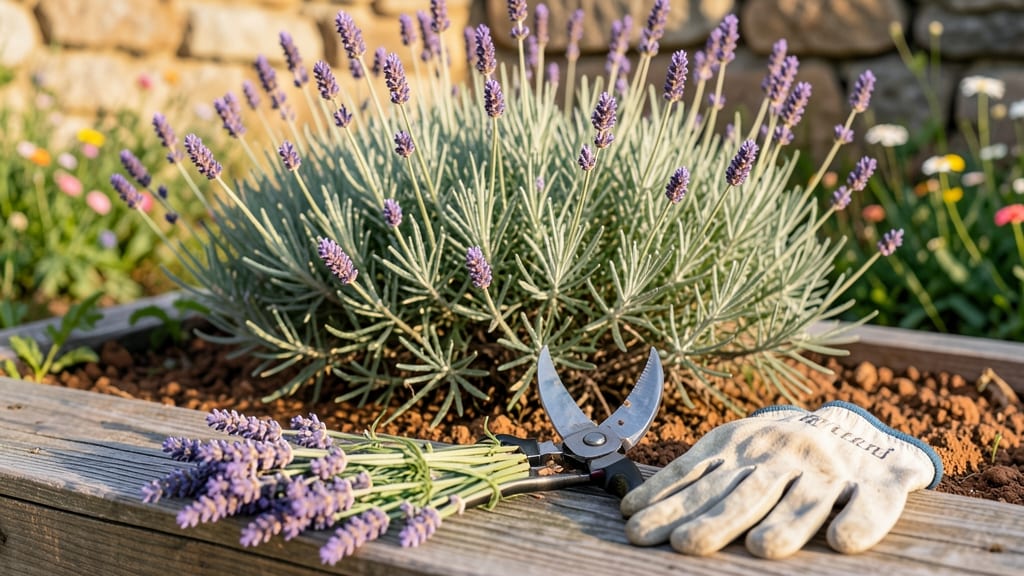
Summer lavender pruning isn't just trimming—it's the secret to next year's vibrant purple blooms. ✂️ I learned this the hard way after shearing mine too aggressively in June and watching them struggle for months.
The key is timing: wait until after flowering, when the stems turn woody, and never cut more than one-third of the plant. You'll need sharp bypass pruners (dull blades tear stems) and a sunny afternoon for the best light.
Focus on removing only the oldest, leggiest stems—these are the ones stealing energy from new growth. Avoid pruning in drought conditions, as lavender hates wet cuts that invite rot. What you'll end up with is a denser, bushier plant that blooms harder next season.
The fragrance becomes richer, the stems stay sturdy, and you avoid the sad, sparse look of over-pruned lavender. This works for all lavender types—English, French, and Spanish—just adjust the severity based on your climate. For dry regions, prune even lighter to avoid stress.
And remember: summer pruning is about shaping, not rejuvenation—that belongs to late winter. Let's get those blooms thriving!
📚 In This Guide
- What you need
- Instructions
- Tips and common mistakes
- Wrapping up and next steps
What you need
- ● Sharp pruning shears – Bypass pruners (4–6 inch blades) for clean cuts; avoid dull tools that crush stems.
- ● Hand pruners or loppers – For thicker stems (½ inch or larger), opt for ergonomic, bypass-style tools.
- ● Garden gloves – Nitrile-coated or heavy-duty leather to protect against thorns and oils.
- ● Disinfectant (70% isopropyl alcohol or bleach solution) – Clean tools before and after use to prevent disease spread.
- ● Trash bag or compost bin – For clippings (avoid composting if lavender is diseased).
- ● Watering can or hose with a gentle nozzle – Keep lavender hydrated post-pruning.
- ● Pruning saw – For very thick, woody stems (rare in summer pruning but useful for older plants).
- ● Horticultural oil or neem oil – Spray stems after pruning to prevent pests (especially in humid climates).
- ● Mulch (gravel or pine straw) – Helps retain moisture and deter weeds around lavender.
- ● Notebook & pen – Jot down pruning dates and plant responses for future reference!
How to prune lavender in summer for healthier plants
Summer pruning keeps lavender compact, blooming, and pest-free. Here's my go-to method for four mature bushes.
✂️ Step 1: Wait for the Right Time
Prune lavender after flowering but before August—this gives plants time to recover before winter. You'll know it's time when about half the flower spikes have turned brown. Never cut back into the woody stems (the gray-green parts), as lavender doesn't regrow from there.
I like to prune on a clear morning when the air is still cool. This prevents stress from heat and sun exposure right after trimming. If you must prune in hot weather, do it early in the morning or late afternoon to avoid shocking the plant.
✂️ Step 2: Trim Only the Dead and Overgrown
Use clean, sharp pruners (sterilized with rubbing alcohol) to cut back one-third of the oldest stems at a time. Look for stems that have lost their vibrant color or appear woody and brittle—these are the ones to remove. Never cut into the bare wood; always leave at least ½ inch of green growth above any woody base.
For the remaining stems, trim just the dead flower heads and any overly leggy growth. You'll see the plant has a natural, rounded shape—follow that silhouette. Avoid shearing the plant into a perfect shape; lavender thrives on its natural, airy form.
☀️ Step 3: Shape and Encourage New Growth
After removing dead stems, lightly shape the plant by trimming the tips of the longest stems to encourage bushier growth. Cut at a 45-degree angle just above a set of leaves or a side branch. This angle helps water run off and prevents rot.
Step back and admire your work—you want the plant to look fuller at the base and slightly tapered toward the top. If you see any yellowing or brown leaves, trim those off immediately. These are signs of stress or disease and should be removed to keep the plant healthy.
💧 Step 4: Water and Mulch for Recovery
After pruning, water lavender deeply—about 1 gallon per plant—to help it recover. Lavender is drought-tolerant, but pruning is a stressor, so a good drink afterward helps. Water at the base of the plant, avoiding the foliage to prevent fungal issues.
Apply a 2-inch layer of gravel or coarse sand around the base (but not touching the stems) to improve drainage. This mimics lavender's natural Mediterranean habitat. Avoid mulching with organic materials like wood chips, as lavender prefers minimal soil contact and can rot in overly moist conditions.
⏰ Step 5: Monitor and Repeat Annually
Check your lavender every few weeks after pruning for new growth. You'll see soft green shoots emerging from the base within 3-4 weeks. These indicate the plant is recovering well. If growth is slow, reduce watering—lavender prefers dry conditions and overwatering can kill it.
Repeat this pruning method once a year in late summer. Over time, your lavender will develop a denser, bushier form with more blooms. Just remember: less is more—lavender responds poorly to heavy pruning, so always trim conservatively.
Tips & tricks for perfect lavender pruning
These simple tricks will help you avoid common mistakes and keep your lavender thriving for years.
Timing is Everything: Look for the telltale sign of about half the flower spikes turning brown—this is your cue that pruning season has arrived. I learned this the hard way by pruning too early, which stressed my plants and reduced blooms the following year. The goal is to give lavender time to recover before winter sets in, so mark your calendar for late July to early August.
The Technique That Changed Everything: When shaping your lavender in Step 3, focus on creating a natural, slightly tapered silhouette rather than a perfect sphere. Lavender grows best when it can breathe, so avoid shearing the plant into an unnatural shape. I now use a small hand pruner to make precise cuts at a 45-degree angle—this helps water run off and prevents rot at the cut points.
Recovery Strategy: After pruning, the deep watering is crucial—think of it as giving your plants a refreshing drink after a workout. I use a watering can with a long spout to deliver the 1 gallon per plant directly at the base, avoiding the foliage. This targeted approach prevents fungal issues while providing the hydration lavender needs to recover from the stress of pruning.
Tool Maintenance: Your pruners are just as important as your technique. Sterilize them with rubbing alcohol before and after each use to prevent spreading disease between plants. I also keep a small bottle of alcohol in my gardening toolkit to clean pruners between cuts—this simple step has kept my lavender bushes healthy and disease-free for years.
Pro Tips for Pruning Lavender In Summer
- These simple tricks will help you avoid common mistakes and keep your lavender thriving for years.
- Timing is Everything: Look for the telltale sign of about half the flower spikes turning brown—this is your cue that pruning season has arrived.
- The Technique That Changed Everything: When shaping your lavender in Step 3, focus on creating a natural, slightly tapered silhouette rather than a perfect sphere.
Frequently asked questions
Got questions about pruning lavender in summer? You’re not alone! Here are some of the most common concerns—and their answers—to help you keep your lavender thriving.
Can I prune lavender in summer if it’s still blooming?
Yes, but lightly! Summer pruning is all about shaping, not heavy cuts. Wait until after the first flush of flowers (usually late June or July) to trim back about 1/3 of the current year’s growth. This encourages bushier blooms next season while preserving the plant’s energy.
What if I prune too much in summer? Will my lavender die?
Over-pruning in summer can stress lavender, leading to woody stems, fewer blooms, or even death in extreme cases. Stick to 10–15% of the plant’s height per session. If you’ve already cut too much, don’t panic—just stop and focus on watering and mulching to help it recover.
Is summer the best time to prune lavender, or should I wait for fall?
Summer is ideal for light shaping and deadheading, while fall (after flowering) is better for heavier pruning to prep for winter. If you miss summer, don’t worry—fall pruning still works! Just avoid pruning in late summer or early fall (August–September) in colder climates, as new growth may not harden off before frost.
How do I prune lavender if it’s leggy or woody?
Leggy or woody lavender needs a reset. In summer, trim back overly long stems to just above a leaf node (where new growth emerges). For severely woody plants, consider a harder prune in early spring (before new growth starts) to encourage fresh, green shoots. Always use clean, sharp shears!
Do I need to water lavender more after pruning?
Yes! Pruning stresses plants, and lavender hates soggy roots. Water deeply but infrequently (about 1 inch per week) to encourage root growth. Avoid overhead watering—stick to the base and mulch lightly with gravel or pebbles to retain moisture without suffocating the plant.
Wrapping up and next steps
Pruning lavender in summer isn’t just about keeping your plants tidy—it’s your secret weapon for bushier blooms, healthier growth, and a fragrant garden year after year! 🌿 By following the right timing, techniques, and tools, you’ll encourage vibrant foliage and abundant flowers while preventing woody stems.
Now that you’re armed with the know-how, grab those shears and give your lavender the care it deserves.
Ready to transform your garden? Start with one plant this week—observe how it responds, and soon, you’ll be a lavender-pruning pro! 🌸