
Pruning
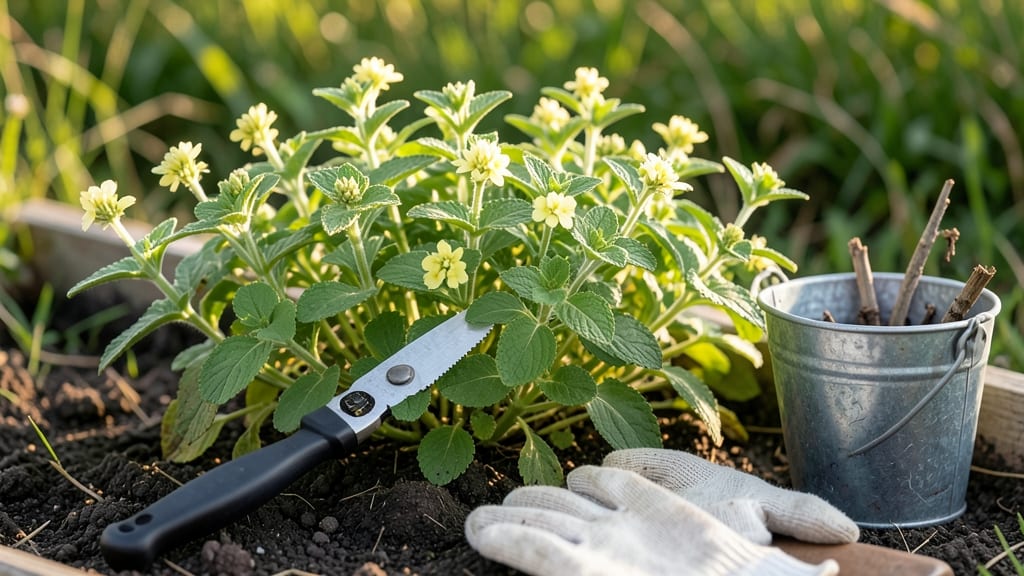
Pruning lemon balm isn’t just about keeping it tidy—it’s the secret to doubling your harvest and preventing it from taking over your garden. 🌿 I’ve learned the hard way that skipping this step leads to leggy, sparse plants that spread everywhere but produce little.
The key is timing: prune in early spring and again after flowering to encourage bushier growth and more leaves for tea or cooking.
You only need sharp pruning shears and a few minutes of focused work. Start by cutting back one-third of the plant’s height in spring to stimulate new growth. After flowering, trim spent blooms to redirect energy into leaf production.
This method keeps lemon balm compact, productive, and easy to manage—no more wrestling with invasive roots or sparse harvests.
What you’ll end up with is a lush, fragrant plant that fills your garden with lemony scent while giving you a steady supply of leaves. The regrowth after pruning is surprisingly fast—within 2-3 weeks, you’ll see fresh, vibrant shoots ready for another harvest.
Plus, pruned plants resist disease better and stay more manageable in containers or garden beds.
For those who’ve struggled with lemon balm’s aggressive spread, this technique is a game-changer. Avoid over-pruning in fall, as the plant needs some foliage to store energy for winter. With consistent care, your lemon balm will thrive for years, rewarding you with abundant, flavorful leaves every season.
📚 In This Guide
- What you need
- Instructions
- Tips and common mistakes
- Wrapping up and next steps
What you need
- ● Pruning shears or sharp bypass pruners – Choose a pair with bypass blades (not anvil-style) to avoid crushing stems. Opt for sterilized, sharp blades (e.g., Felco F-2 or Gonicc T-2222).
- ○ Gloves (optional but recommended) – Wear gardening gloves (e.g., nitrile-coated for durability) to protect against sap irritation or thorns.
- ● Disinfectant (70% isopropyl alcohol or bleach solution) – Mix 1 part bleach to 9 parts water to sterilize tools between cuts and prevent disease spread.
- ● Compost bin or bag – A 10-20 gallon container to collect pruned stems for mulch or compost.
- ● Watering can or hose with a gentle nozzle – A 1-2 gallon can (or adjustable spray nozzle) to hydrate plants post-pruning.
- ● Hand pruners (for smaller stems) – Ergonomic models like Fiskars X27 for precision trimming.
- ● Loppers (for thick growth) – 8-12 inch loppers (e.g., Corona Ratchet Lopper) for stubborn stems.
- ● Plant marker or label – To identify lemon balm varieties if you have multiple plants.
- ● Mulch (straw or shredded leaves) – 2-3 inches to retain moisture and suppress weeds post-pruning.
- ● Sunscreen and hat – If pruning on a sunny day (lemon balm thrives in full sun!).
Step-by-Step guide to pruning lemon balm for healthy regrowth
Reviving lemon balm’s vigor is all about timing and technique—here’s how to keep it lush without sacrificing its signature citrusy charm.
🌿 Step 1: Identify the Right Time to Prune
Lemon balm thrives with late-winter or early-spring pruning (just as new growth begins), but you can also trim it back lightly after flowering to encourage bushier stems. The key is to prune before the plant sets seed—this prevents energy from draining into flower production and redirects it to leafy regrowth.
Look for new shoots emerging from the base—that’s your signal. If you wait too long, the plant may become woody at the base, making future pruning less effective. In warmer climates, a light trim after flowering (around mid-summer) can also revive growth before winter dormancy.
✂️ Step 2: Cut Back with Precision
Use clean, sharp pruners to avoid tearing stems, and make cuts at a 45-degree angle just above a leaf node (where leaves attach to the stem). This encourages new growth to sprout from that point. For a hard prune (early spring), cut back one-third to one-half of the plant’s height—this stimulates dense, bushy regrowth.
If your lemon balm has become leggy or sparse, prune back to the ground in late winter. The plant will resprout from the base, and you’ll often get even more vigorous growth than before. Avoid cutting into old, woody stems—focus on the green, flexible growth for best results.
🌱 Step 3: Encourage Regrowth with Proper Care
After pruning, water deeply to help the plant recover, especially if you’ve cut it back significantly. Lemon balm prefers well-draining soil and partial shade to full sun, but too much direct sun can stress it post-prune. If your climate is hot, provide afternoon shade for the first few weeks to reduce stress.
Apply a light layer of compost around the base to replenish nutrients—pruning removes a lot of foliage, and the plant will need extra energy to bounce back. Avoid heavy fertilizers, which can encourage leafy growth at the expense of flavor. Instead, use a balanced, organic fertilizer (like 10-10-10) sparingly.
☀️ Step 4: Maintain Through the Growing Season
Once regrowth begins, pinch back the tips of new shoots to encourage branching. This keeps the plant compact and prevents it from becoming too leggy again. Lemon balm grows aggressively, so trim back any flower stalks as they appear—this prevents the plant from going to seed and keeps its energy focused on leaf production.
By late summer, you can give the plant a second light prune to tidy it up before winter. Cut back any dead or yellowing leaves, and shape the plant to your preference. If you’re in a mild-winter region, lemon balm may stay green year-round—just trim as needed to keep it tidy.
⏰ Step 5: Plan for Long-Term Vigor
Lemon balm spreads easily, so divide clumps every 2-3 years to prevent overcrowding. In early spring, dig up the plant, separate the roots, and replant the strongest sections. This rejuvenates the plant and gives you extra stems for propagation or sharing.
If your lemon balm starts to decline after a few years, it’s time to replace it—this herb doesn’t live forever in the same spot. But with proper pruning and care, you’ll enjoy years of fragrant, bushy growth that’s perfect for teas, pest control, or culinary uses.
Tips & tricks for perfect lemon balm pruning
Took me years to figure out these lemon balm secrets—here’s how to keep your plants thriving without sacrificing that signature lemony punch.
Timing is Everything: The late-winter or early-spring window (Step 1) is non-negotiable for hard pruning. I’ve learned the hard way that pruning too early—when the plant is still dormant—can stunt new growth. Look for those first tender shoots emerging from the base; that’s your cue. In warmer zones, that mid-summer trim after flowering (Step 1) works wonders for preventing legginess, but don’t push it past early August or you’ll risk weak regrowth before winter.
Cutting Technique That Works: That 45-degree angle above the leaf node (Step 2) isn’t just aesthetic—it’s physiological. The angled cut creates a larger surface area for water absorption, while positioning above the node ensures new shoots emerge from that exact spot. For hard pruning, I’ve found cutting back one-third to one-half actually stimulates more vigorous regrowth than I expected. Pro tip: Use pruners that are clean and sharp—dull blades crush stems, inviting disease.
Post-Prune Recovery Hack: After your hard cuts (Step 3), the plant needs a recovery boost. I’ve had the best results with deep watering combined with afternoon shade for the first two weeks post-prune. The compost layer around the base acts like a slow-release fertilizer, but here’s what nobody tells you—lemon balm actually prefers less fertilizer than most herbs. That 10-10-10 organic blend? Use half the recommended amount. Too much nitrogen gives you leafy growth at the expense of that prized lemon flavor.
Long-Term Maintenance Secret: That 2-3 year division schedule (Step 5) is your plant’s fountain of youth. I divide mine every spring before new growth begins, and I’ve noticed the divided sections often outperform the original clump. When you replant those strongest sections, bury them slightly deeper than they were growing—this encourages stronger root development. And here’s the part they don’t mention: lemon balm actually benefits from occasional "haircuts" throughout summer. Pinch those tips regularly (Step 4) to keep it bushy and prevent it from becoming that sad, leggy shadow of its former self.
Pro Tips for Pruning Lemon Balm
- Took me years to figure out these lemon balm secrets—here’s how to keep your plants thriving without sacrificing that signature lemony punch.
- Timing is Everything: The late-winter or early-spring window (Step 1) is non-negotiable for hard pruning.
- Cutting Technique That Works: That 45-degree angle above the leaf node (Step 2) isn’t just aesthetic—it’s physiological.
Frequently asked questions
Got questions about keeping your lemon balm lush and thriving? Here are answers to the most common concerns—so you can prune like a pro!
When is the best time to prune lemon balm?
Prune lemon balm after flowering (late summer to early fall) to encourage bushier growth. Light trims can happen in early spring to remove dead wood, but avoid heavy cuts then—it may delay regrowth. For container plants, prune throughout the growing season to control size.
How often should I prune lemon balm?
For maximum vigor, prune 2-3 times per year:
- Spring: Light trim to shape and remove dead stems.
- Summer (post-flowering): Cut back ⅓ of the plant to promote foliage.
- Fall: Heavy prune (⅔ of the plant) to prep for winter.
What if I prune too late in the season?
Pruning too late (after frost or in late fall) can stunt new growth since lemon balm needs warm weather to recover. If you miss the window, wait until early spring—just avoid cutting into woody stems, which won’t regrow. A light spring trim is better than none!
Can I propagate lemon balm from pruned cuttings?
Use healthy, non-flowering stems
(4–6 inches long) from prunings. Remove lower leaves, dip in rooting hormone (optional), and place in water or moist soil. Keep in bright, indirect light—roots form in 2–4 weeks. Perfect for free plants!
What if my lemon balm looks leggy after pruning?
Leggy growth usually means it’s not getting enough light. Move it to 6+ hours of sun daily and prune just above a leaf node to encourage bushier regrowth. If overcrowded, thin out congested stems. Fertilize lightly with compost tea to boost recovery.
Wrapping up and next steps
Pruning lemon balm is your secret weapon for keeping this fragrant herb thriving and productive! 🌿 By mastering the right timing and techniques, you’ll encourage lush regrowth, prevent overcrowding, and even boost flavor.
Whether you’re a seasoned gardener or just starting out, a little trim goes a long way—so grab those shears and get pruning!
Ready to take it further? Try harvesting your pruned stems for teas, pest-repellent sprays, or culinary delights. Your lemon balm will thank you with bountiful, vibrant growth all season long!