
Pruning
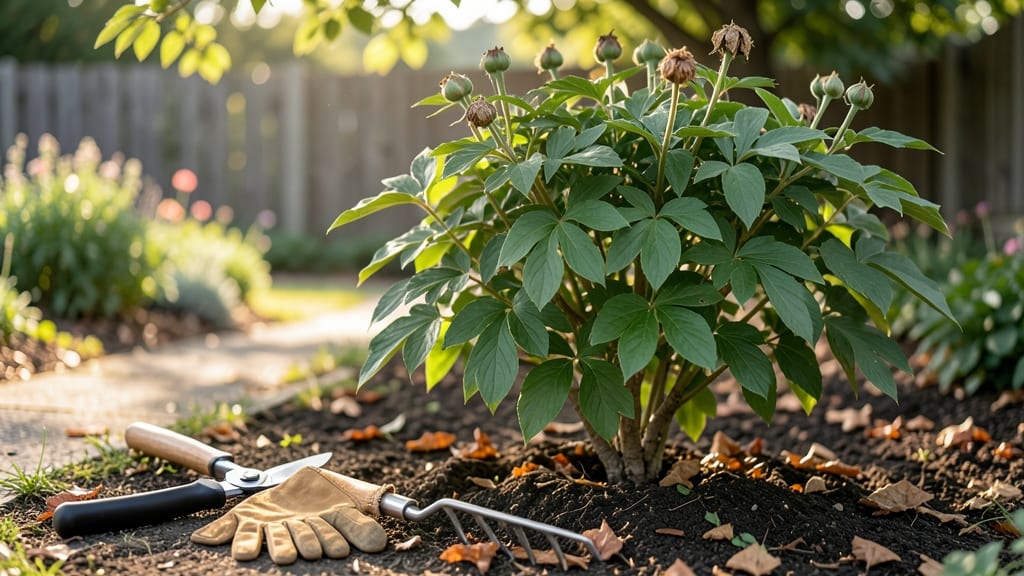
Fall pruning peonies sets the stage for next year’s showstopping blooms—but timing and technique matter more than you think. ✂️ I’ve watched peonies go from flopping, overgrown messes to sturdy, prolific bloomers after just one careful pruning session, and the secret isn’t cutting more—it’s cutting right.
Most gardeners wait too late, risking winter damage, or prune too early, stunting next season’s growth. The 30-day window after foliage dies is your sweet spot.
You’ll need just three tools: sharp bypass pruners, clean rubbing alcohol (to disinfect cuts), and a bucket for debris. The goal is simple: remove dead stems to ground level, leaving the crown intact.
This isn’t about aesthetics—it’s about redirecting energy so the plant focuses on next year’s buds, not maintaining last year’s spent foliage. Think of it like giving your peonies a fresh start before winter’s long nap.
What you’ll end up with is a neat, healthy plant that wakes up in spring ready to burst into blooms—not the tangled mess you might expect. The crown stays protected from rot, roots stay undisturbed, and you avoid the dreaded "peony wilt" that comes from over-pruning.
Plus, reblooming varieties (like ‘Sarah Bernhardt’) perform even better when pruned this way.
Works for both herbaceous and tree peonies, though tree types need slightly less aggressive cuts. Here’s how to do it without guessing—no more second-guessing, just confident pruning.
📚 In This Guide
- What you need
- Instructions
- Tips and common mistakes
- Wrapping up and next steps
What you need
- ● Clean, sharp bypass pruners – Choose a pair with 4- to 6-inch blades for precision cuts. Dull blades crush stems, stressing plants.
- ● Disinfectant (70% isopropyl alcohol or bleach solution) – Wipe blades before and after use to prevent disease spread.
- ● Heavy-duty gloves – Opt for gardening gloves with reinforced palms to protect against thorns.
- ○ Garden shears or loppers (optional) – For thicker stems (over ½ inch), use loppers with 8- to 10-inch handles for leverage.
- ● Compost or mulch – A 2- to 3-inch layer to protect pruned stems over winter.
- ● Trash bag or bucket – For disposing of pruned foliage (do not compost diseased stems).
- ○ Markers or flags (optional) – Label new plantings if dividing peonies to track varieties.
- ○ Knee pad or stool (optional) – For comfort when working close to the ground.
- ● Timing – Prune after the first hard frost (when foliage turns brown) but before winter freezes (Zone 3-10: Late October–November).
- ● Dry weather – Avoid pruning if rain is forecasted within 24 hours to prevent soil-borne diseases.
- ● Healthy plants – Skip pruning if peonies show signs of bacterial blight or severe pests (treat first!).
Step-by-Step instructions for pruning peonies in the fall
Here's the precise method I use to prune peonies after blooming—keeping your bushes healthy while preserving next year's stunning flowers.
✂️ Step 1: Wait Until After the First Frost
Peonies need time to enter dormancy before pruning. Wait until after the first hard frost when leaves have turned brown and crispy. This usually occurs in late fall, around October or November depending on your climate zone. Pruning too early can stimulate new growth that won't survive winter's chill.
I know it's tempting to clean up the garden now, but resist. The brown foliage protects the crown from extreme cold and helps the plant store energy for next spring's blooms. You'll see the leaves turn completely brown and papery—this is your signal to prune.
✂️ Step 2: Cut Back to 2 Inches Above the Crown
Using clean, sharp pruners, cut back the stems to about 2 inches above the ground level—but never lower than the crown where the buds form. This leaves enough protection for the crown while removing dead foliage. I always use sterilized pruners to prevent spreading disease between plants.
Here's the thing—don't cut into the crown itself. You'll see a thick, knobby base where next year's buds are forming. Cutting too low removes these precious growth points and weakens next season's blooms. If your peonies have multiple stems, cut each one back individually to maintain good air circulation.
🌿 Step 3: Remove Any Diseased or Damaged Stems
Inspect each stem carefully as you prune. Remove any stems that show signs of disease (black spots, powdery mildew) or physical damage (broken stems, insect holes). Dispose of these immediately in the trash—not the compost pile—to prevent spreading pathogens. I use a small bucket lined with a plastic bag for easy disposal.
Healthy stems should be clean and sturdy. If you find any stems with brown, mushy spots, cut back further to healthy tissue. This is your chance to improve next year's blooms by eliminating weak growth now. Don't worry about leaving some stems longer—they'll be trimmed next spring anyway.
🪴 Step 4: Clean Up Debris and Mulch the Base
After pruning, rake up all the fallen leaves and debris from around the base. This prevents fungal diseases from overwintering in the garden. I always sweep the area thoroughly with a stiff broom to get into tight spots. Leave the pruned stems on the ground—they'll break down naturally and return nutrients to the soil.
Apply a 2-3 inch layer of organic mulch around the base, keeping it about 6 inches away from the crown. I use shredded bark or straw mulch because it breaks down slowly and improves soil structure over time. This protects the crown from extreme temperature fluctuations and retains moisture during winter.
⏰ Step 5: Mark the Location for Spring Maintenance
Place a small stake or mark the location of each peony bush with a garden flag. This helps you identify them easily next spring when you'll need to prune again—this time to remove the dead foliage and prepare for new growth. I use bright orange flags because they stand out against snow and last through winter.
Here's a pro tip: Take a photo of your pruned peonies from different angles. This helps you remember their exact shape and location, making spring pruning much easier. Peonies can take 2-3 years to establish fully, so patience pays off with bigger, more abundant blooms each season.
Tips & tricks for pruning peonies in the fall
Timing and technique make all the difference when it comes to fall peony pruning—these are the secrets I've learned after years of trial and error.
Timing is Everything: The first frost is your golden signal, but don't wait too long after the leaves have turned completely brown and papery. If you prune too early, you risk stimulating new growth that won't survive winter's chill. In my zone 5 garden, I've found that waiting until late October or early November gives peonies just enough time to fully enter dormancy. Check your local frost dates—this makes all the difference between healthy buds and wasted energy.
The 2-Inch Rule: When you're cutting back those stems in Step 2, resist the urge to go lower than 2 inches above the crown. I've made this mistake more times than I'd admit—cutting too low removes those precious growth buds forming right at the base. Think of it like leaving a cozy blanket around the crown: that 2-inch buffer protects against winter's harshest temperatures while still removing dead foliage. Use a ruler or measuring tape to verify your cuts if you're unsure.
Disease Prevention: This is where most gardeners slip up. Always sterilize your pruners between cuts using rubbing alcohol or a 10% bleach solution, then rinse thoroughly. I keep a small spray bottle of 70% isopropyl alcohol handy for quick cleanings between plants. When removing diseased stems in Step 3, double-bag them in plastic and toss in the trash—not the compost—because fungal spores can survive winter and reinfect next year's growth. That small extra step has saved my peonies from multiple outbreaks.
Mulch Like a Pro: The 2-3 inch layer of organic mulch in Step 4 isn't just decoration—it's insulation. I've seen dramatic differences in winter survival when I skip this step versus when I take the time to apply proper mulch. Use shredded bark or straw because they break down slowly and improve soil structure over time. Keep that mulch mound about 6 inches away from the crown to prevent rot while still protecting the roots from temperature swings. In particularly cold winters, I'll add an extra inch or two for maximum protection.
Pro Tips for Pruning Peonies In The Fall
- Timing and technique make all the difference when it comes to fall peony pruning—these are the secrets I've learned after years of trial and error.
- Timing is Everything: The first frost is your golden signal, but don't wait too long after the leaves have turned completely brown and papery.
- The 2-Inch Rule: When you're cutting back those stems in Step 2, resist the urge to go lower than 2 inches above the crown.
Frequently asked questions
Got questions about pruning peonies in the fall?
You’re not alone! Here are the most common concerns—plus expert tips to keep your peonies thriving for years to come.
When is the exact best time to prune peonies in fall?
Prune peonies after the first hard frost (when foliage turns brown) but before winter’s peak chill—typically late October to early November in most U.S. zones (3–8). This timing ensures the plant has healed but avoids exposing fresh cuts to harsh cold. Pro tip: Wait until leaves crisp to avoid fungal risks.
Do I have to cut peonies back in fall, or can I skip it?
Nope! Fall pruning is optional but highly recommended for long-term health. Skipping it won’t kill your peonies, but deadheading in fall (cutting back to 1–2 inches above ground) reduces pests/diseases and encourages stronger growth. Alternative: If you hate pruning, just remove all dead foliage in early spring instead.
What if I prune too late—will my peonies survive?
Pruning after winter (February+) can stress peonies, but they’re tough! If you miss fall, wait until early spring (before buds swell) to trim. Avoid cutting any green growth in winter—it’s their energy reserve. Troubleshooting: If you see blackened stems post-prune, it’s likely frost damage (not your fault!).
Can I prune peonies in fall if I live in a warm climate (Zone 9–10)?
Yes! In mild winters, prune after peak heat (late fall) but before spring growth starts. Focus on removing all dead foliage and cutting stems to 1–2 inches. Key difference: Avoid pruning during rainy seasons (fungus risk!).
What’s the biggest mistake people make when pruning peonies?
The #1 error? Cutting stems too short (below 1–2 inches) or pruning green growth in winter. This starves the plant and delays blooms. Rule of thumb: Leave at least one healthy bud eye (the swollen bump on the stem) to ensure next year’s flowers. Never use hedge trimmers—sharp pruners only!
Bonus Tip: How do I know if my peony needs pruning at all?
Check for these signs:
- Dead/diseased foliage (brown, mushy, or moldy)
- Overcrowded stems (more than 3–5 per plant)
- No blooms last year (often a sign of old wood)
Wrapping up and next steps
Pruning peonies in the fall is a simple yet powerful way to ensure vibrant, healthy blooms next spring!
By removing spent foliage and shaping your plants, you’re giving them the best chance to thrive—while keeping your garden tidy and disease-free. 🌸 Now that you’re equipped with the right tools and techniques, there’s no better time to roll up your sleeves and give your peonies the care they deserve.
Ready to take action? Grab your pruners, step outside, and transform your garden into a future blooming paradise. Happy pruning! 🌿