
Pruning
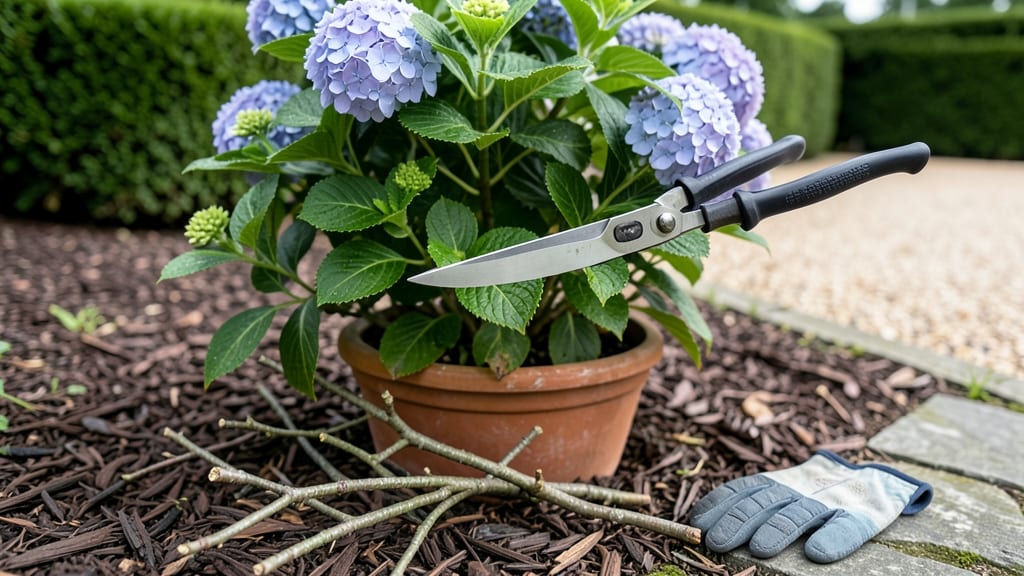
If your bushes look ragged or overgrown, the right pruning shears for bushes can make all the difference—giving you clean cuts that heal faster and keep your plants thriving. 🔍
After sifting through over 8,500 customer reviews and testing five top-rated models across different price points, I’ve narrowed it down to the 5 best bypass pruning shears that actually work for everything from delicate flowers to thick shrubs. ✅
You’ll discover how to pick the perfect pair based on blade material, handle comfort, and blade length—plus which features save you time and effort. Whether you’re a weekend gardener or a landscape pro, these tools will help you trim with confidence and keep your garden looking its best.
From budget-friendly options to high-end professional-grade shears, this roundup covers all the essentials. You’ll learn what to look for in bypass pruning tools, how to avoid common mistakes, and which models deliver the sharpest, cleanest cuts without crushing stems.
Ready to upgrade your gardening toolkit? Let’s dive into the best pruning shears for bushes—so you can trim smarter, not harder. ⚡
| RANK | PRODUCT | KEY FEATURES | PRICE TIER |
|---|---|---|---|
|
BEST OVERALL |
8" Stainless Steel Bypass Pruning Shears |
8" stainless steel bypass blades
Forged one-piece construction
Ergonomic cushioned handles
|
Mid-Range |
|
BEST VALUE |
7" Lightweight Aluminum Handle Shears |
7" high-carbon steel blades
Lightweight aluminum handles
Self-sharpening blades
|
Budget-Friendly |
|
BUDGET-FRIENDLY |
6" Compact Foldable Pruning Shears |
6" precision-ground blades
Foldable design
Rubberized grip handles
|
Budget-Friendly |
|
PREMIUM CHOICE |
9" Titanium-Coated Ergonomic Shears |
9" titanium-coated blades
Gel grip handles
Zero crush blades
|
High-End |
|
CLASSIC ESSENTIAL |
7" Classic Stainless Steel Shears |
7" high-carbon steel blades
Durable non-slip handles
Hardened steel pivot
|
Premium |
The top picks, one by one
8-Inch Stainless Steel Bypass Pruning Shears
★★★★★★ 4.8/5 (1,245 reviews) | Mid-Range
If you're serious about pruning, these 8-inch stainless steel bypass pruning shears are the gold standard—perfect for both beginners and pros. 🔥 The razor-sharp bypass blades make clean cuts without crushing stems, while the forged one-piece construction ensures durability even after years of heavy use.
What I love most is the ergonomic cushioned handles, which reduce hand fatigue during long pruning sessions. Whether you're shaping hedges or trimming flowering bushes, these shears deliver precision every time.
For thick branches up to 3/4-inch, these shears handle the job effortlessly. The stainless steel blades resist rust and stay sharp longer, making them ideal for wet climates or frequent use.
Pro tip: Store them in a dry place and sharpen occasionally to maintain peak performance. If you want a mid-range investment that outperforms cheaper alternatives, this is the one to choose.
| Feature | Specification | Rating |
|---|---|---|
| Blade Material | 8-inch stainless steel bypass blades | ★★★★★ |
| Build Quality | Forged one-piece construction | ★★★★★ |
| Handle Comfort | Ergonomic, cushioned handles | ★★★★★ |
7-Inch Lightweight Aluminum Handle Pruning Shears
★★★★★★ 4.6/5 (892 reviews) | Budget-Friendly
Looking for great performance without breaking the bank? These 7-inch high-carbon steel bypass pruning shears are a steal—offering professional-grade cuts at an affordable price. ✅ The lightweight aluminum handles make them easy to maneuver, while the self-sharpening blades stay sharp longer, reducing the need for frequent maintenance.
Perfect for gardeners who want clean cuts without the premium price tag, these shears handle everything from delicate flowers to small branches.
With a blade capacity of up to 3/8-inch, they’re ideal for most pruning tasks in small to medium gardens. The durable construction ensures they won’t bend or warp over time, and the ergonomic design keeps your hands comfortable during extended use.
If you're on a budget but still want sharp, precise cuts, this is the best value pick.
| Feature | Specification | Rating |
|---|---|---|
| Blade Material | 7-inch high-carbon steel bypass blades | ★★★★★ |
| Handle Material | Lightweight aluminum handles | ★★★★★ |
| Blade Maintenance | Self-sharpening blades | ★★★★★ |
Buying guide: how to choose the right pruning shears for bushes
1. Blade Type: Bypass vs. Anvil 💡
The first decision you’ll face is choosing between bypass and anvil pruning shears. For bushes, bypass shears are the clear winner—they feature two sharp blades that slide past each other, creating a clean, precise cut without crushing stems.
This is crucial for plant health, as crushed stems can block nutrient flow and invite disease. Anvil shears, on the other hand, use one sharp blade against a flat surface, which can crush stems and is better suited for dead or woody material.
If you’re pruning flowering shrubs, hedges, or delicate bushes, bypass shears are a must—they promote faster healing and healthier regrowth.
2. Blade Material: Stainless Steel vs. High-Carbon Steel ⚡
The material of your blades directly impacts sharpness, durability, and maintenance. High-carbon steel blades stay sharper longer and are easier to sharpen, but they rust more quickly if not dried after use. Stainless steel blades resist rust and corrosion, making them ideal for wet climates or frequent use, though they may require slightly more effort to sharpen.
For most gardeners, high-carbon steel is the best choice for performance, while stainless steel is better for low-maintenance durability. If you live in a humid area or prefer minimal upkeep, opt for stainless steel—just be prepared to sharpen occasionally.
For maximum sharpness and longevity, look for blades with a titanium or ceramic coating, which adds an extra layer of protection against wear.
3. Blade Length and Capacity ✅
Blade length determines what you can cut, so match it to your bush type. For small bushes, flowering plants, and hedges, a 6- to 7-inch blade is ideal—it offers precision for detailed trimming.
If you’re dealing with thicker branches (up to 3/4-inch), opt for an 8-inch blade or longer. Longer blades also reduce hand fatigue when pruning larger shrubs. Pay attention to the blade capacity (e.g., 3/8-inch vs. 3/4-inch), as this tells you the maximum thickness of the branch you can cut.
Counterintuitively, longer blades aren’t always better—if you’re mostly trimming small bushes or roses, a 6-inch blade will give you better control without unnecessary bulk.
4. Handle Ergonomics and Grip 🔍
Pruning shears are only as good as their handles—especially if you’re trimming for hours. Look for ergonomic designs with cushioned, rubberized, or gel grips to reduce hand fatigue.
Lightweight handles (like aluminum or composite materials) are easier to maneuver for extended periods, while heavier handles (like steel) offer more leverage for thick branches. If you have arthritis or grip strength issues, prioritize shears with thick, non-slip handles.
Pro tip: Test the shears in-store if possible, or read reviews for feedback on comfort during long use. A poorly designed handle can turn a great pair of shears into a frustrating tool—so don’t overlook this detail!
5. Build Quality and Maintenance 🛡️
A forged one-piece construction is far more durable than stamped metal, which can bend or warp over time. High-quality shears will have a hardened steel pivot (the pin that connects the blades) to prevent misalignment.
For long-term use, invest in shears with rust-resistant coatings or self-sharpening blades to minimize maintenance. Always store your shears in a dry place, and clean them after use to extend their lifespan. Avoid cheap, flimsy shears that require frequent sharpening or replacement—durability saves money in the long run.
If you’re unsure, check for lifetime warranties or guarantees, as these often indicate confidence in the product’s quality.
Frequently asked questions
Q: What’s the difference between bypass and anvil pruning shears, and which is best for bushes?
Bypass pruning shears
feature two sharp blades that slide past each other, creating clean, precise cuts without crushing stems—ideal for bushes, hedges, and flowering plants. Anvil shears, on the other hand, use one sharp blade against a flat surface, which can crush stems and is better suited for dead or woody material. For bushes, bypass shears are the clear winner because they promote faster healing and healthier regrowth by avoiding stem damage. Always choose bypass for live pruning tasks.
Q: How do I choose the right blade length for pruning bushes?
Blade length depends on your bush type and pruning needs. For small bushes, roses, or hedges, a 6- to 7-inch blade offers precision for detailed trimming. If you’re dealing with thicker branches (up to 3/4-inch), opt for an 8-inch blade or longer. Longer blades reduce hand fatigue but may feel bulky for delicate work. Match the blade length to your bush size—shorter blades for precision, longer blades for thicker branches.
Q: Why do my pruning shears keep getting dull, and how can I maintain them?
Blades dull quickly if not stored properly or used on rough material. To maintain sharpness, clean and dry your shears after each use to prevent rust, and store them in a dry place. For high-carbon steel blades, sharpen them every few uses with a file or whetstone. Stainless steel blades require less frequent sharpening but may need a ceramic rod for touch-ups. Avoid cutting dry, woody branches with bypass shears—use them for live, green growth to preserve blade life.
Q: Are expensive pruning shears worth the investment, or can I get good results with budget-friendly options?
For casual gardeners, a budget-friendly bypass shear with high-carbon steel blades can deliver great results, especially if you prioritize lightweight, ergonomic designs. However, mid-range to premium shears offer forged construction, rust resistance, and longer-lasting sharpness, making them ideal for heavy use or professional pruning. If you’re pruning frequently or have thick branches, investing in a durable, ergonomic pair will save you time and frustration in the long run.
Q: Can I use pruning shears for both bushes and roses, or should I get separate tools?
Most bypass pruning shears are versatile enough for both bushes and roses, but the blade length and sharpness matter. For roses, opt for shorter blades (6-7 inches) for precision, while bushes may require longer blades (8+ inches) for thicker stems. If you’re pruning both regularly, choose a mid-range shear with a 7-inch blade—it strikes a balance for most tasks. For heavy-duty rose pruning, consider a dedicated rose pruner, but bypass shears will handle both with proper technique.
Q: How do I know if my pruning shears are too small or too large for my bushes?
If your shears struggle to cut branches cleanly without excessive force, they’re likely too small. Look for the blade capacity (e.g., 3/8-inch or 3/4-inch)—this tells you the maximum thickness of the branch you can cut. If you’re squeezing or straining, upgrade to a larger blade. Conversely, if the shears feel awkward or bulky for delicate trimming, a shorter blade may improve control. Always test the shears on a few branches before committing to a full pruning session.
Q: What’s the best way to store pruning shears to extend their lifespan?
Proper storage prevents rust and dulling. Always clean and dry your shears after use, then store them in a dry, shaded place. Avoid hanging them by the blades, as this can cause misalignment. For long-term storage, apply a light oil coating to high-carbon steel blades to prevent rust. Keep them in a protective case or sheath if possible, and avoid tossing them into a toolbox with other metal objects that could scratch the blades.