
Trees
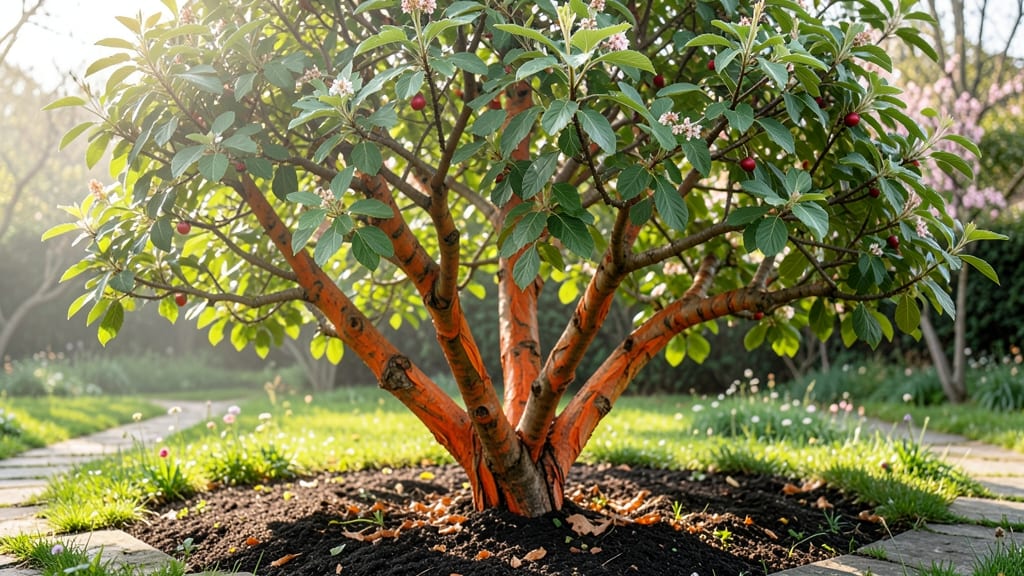
Growing Prunus serrula 'Amanogawa' means adding a tree with velvety bark and delicate pink blooms that outshine most Japanese maples. 🌿 This Himalayan Bird Cherry thrives where others falter—cold winters, alkaline soil, even urban pollution—making it the unsung hero of tough landscapes.
The secret lies in its adaptability, but only if you nail the basics: well-draining soil, patient watering, and strategic pruning to encourage that signature peeling bark.
Start with sandy loam mixed with compost—this tree hates soggy roots. Plant in full sun to partial shade, though it tolerates city smog better than most ornamentals. Water deeply once established, but let the soil dry between sessions.
Prune in late winter to shape it while it’s dormant, and watch those cinnamon-hued branches develop their signature texture over time.
What you’ll end up with is a low-maintenance tree that rewards you with spring blossoms, summer foliage, and autumn color—plus that showstopping bark that gardeners photograph year-round. It’s the kind of plant that makes neighbors ask, “What is that?” and then never forgets the answer.
Works beautifully as a specimen plant, street tree, or even in large containers. The only challenge? Resisting the urge to prune too aggressively—this tree’s beauty unfolds slowly, and patience pays off in dramatic bark displays by year three.
📚 In This Guide
- What you need
- Instructions
- Tips and common mistakes
- Wrapping up and next steps
What you need
- ● Prunus serrula "Amanogawa": Seedling or small sapling (3–6 ft tall) from a reputable nursery (avoid wild-collected seeds for best results).
- ○ Optional: Grafted trees for faster, more predictable growth.
- ● Well-draining soil mix: 50% high-quality garden soil (loamy, slightly acidic: pH 5.5–6.5).
- ● 30% compost or aged manure for nutrients.
- ● 20% perlite or coarse sand to prevent root rot.
- ● Container or planting site: For containers: 15–20 gallon pot with drainage holes (minimum 18" diameter for saplings).
- ● For in-ground: Sunny spot with 6+ hours of light and space for mature size (15–20 ft wide).
- ● Hand trowel or transplant spade (for digging).
- ● Garden gloves (to protect your hands from thorns!).
- ● Watering can or hose with gentle spray nozzle (avoid over-saturating roots).
- ○ Mulch (optional but recommended): 2–3 inches of wood chips or pine straw to retain moisture.
- ● Fertilizer (spring/fall): Balanced 10-10-10 or organic slow-release fertilizer (follow package rates).
- ● Pruning shears (for shaping or removing dead branches).
- ● pH testing kit (to monitor soil acidity).
- ● Hardiness zones: 5–8 (protect young trees from freezing winds in colder zones).
- ● Water source: Consistent access to water (drought-sensitive when young!).
- ● Patience! Amanogawa grows slowly—expect 12–24 inches per year.
Step-by-Step guide to cultivating Prunus serrula Amanogawa
Growing this stunning ornamental cherry requires patience and precision—but the results are worth every effort.
🌱 Step 1: Select and Prepare the Perfect Planting Site
Prunus serrula 'Amanogawa' thrives in well-draining, slightly acidic soil with a pH between 5.5 and 6.5. Choose a location with partial shade—morning sun and afternoon shade protect the delicate bark from scorching while allowing enough light for vibrant foliage. I always test soil drainage first by digging a 12-inch deep hole and filling it with water; if it drains within 30 minutes, the site is ideal.
This variety tolerates USDA Hardiness Zones 5-8, but younger trees need winter protection in colder climates. I wrap the trunk with burlap in Zone 5 winters to prevent cold damage to the striking exfoliating bark. Amend heavy clay soil with 3 inches of compost mixed into the top 12 inches of native soil before planting.
☀️ Step 2: Plant at the Right Time and Depth
Spring planting—after the last frost date but before new growth begins—gives roots time to establish before summer heat. Dig a hole twice as wide as the root ball but only as deep as the container’s root base. The top of the root ball should sit 1-2 inches above ground level—this prevents water from pooling around the trunk and causing rot.
Gently remove the tree from its container and loosen any circling roots with your fingers. Place it in the hole, backfill with native soil mixed with 1 part compost, and water deeply to settle the soil. Mulch with 3 inches of organic mulch (like shredded bark) around the base, keeping it 3 inches away from the trunk to prevent moisture buildup.
💧 Step 3: Establish a Watering Routine for Strong Growth
Water deeply twice a week during the first growing season, providing 1-2 gallons per watering depending on pot size. The goal is to keep the soil evenly moist but not soggy—you’ll know it’s right when the top 2 inches of soil feel damp but not waterlogged. Overwatering is the fastest way to kill this tree; I always check moisture by inserting a finger into the soil before watering again.
Once established (after 2-3 years), Prunus serrula 'Amanogawa' becomes drought-tolerant, but it still appreciates deep watering every 2 weeks during dry spells. Avoid overhead watering to prevent fungal diseases—always water at the base. Fertilize lightly in early spring with a balanced 10-10-10 fertilizer applied at half strength to encourage steady growth without excessive leaf production.
✂️ Step 4: Prune for Health and Structure
Prune in late winter or early spring before new growth begins. Remove dead, diseased, or crossing branches first, then shape the tree by thinning out 10-20% of the canopy to improve airflow. Never remove more than 25% of the foliage in one season—this stress-sensitive tree recovers slowly from heavy pruning.
Focus on maintaining an open, vase-like shape that showcases the stunning bark. I avoid heavy summer pruning, as it can stimulate weak, water-sprout growth. Sterilize pruning tools with rubbing alcohol between cuts to prevent bacterial infections. Seal larger pruning wounds with pruning sealant to protect the tree from pests and disease.
🪴 Step 5: Winter Care for Cold Climates
In Zones 5-6, protect young trees with a breathable tree wrap and mulch the base with an extra 2 inches of organic material. Older trees handle winter well, but their exfoliating bark can crack in freeze-thaw cycles. I apply a light coat of anti-desiccant spray in late fall to prevent winter burn on exposed branches.
Watch for snow accumulation on branches—heavy loads can break limbs. Gently brush off snow or tie branches together with soft twine to support their weight. In Zone 7 and warmer, minimal winter care is needed, but I still monitor for sudden temperature drops below 20°F, which can stress the tree.
Tips & tricks for perfect Prunus serrula Amanogawa cultivation
These pro tips will help you avoid common pitfalls and maximize the stunning potential of your Japanese ornamental cherry.
Soil Test Precision: The 30-minute drainage test in Step 1 is non-negotiable for this tree. If water drains slower, mix in 25% perlite or coarse sand into your amended soil to improve aeration. I've seen roots rot when planted in heavy clay without this adjustment—trust me, it's worth the extra effort. The slightly acidic pH (5.5-6.5) is equally critical; use a soil test kit to verify before planting, as many garden centers sell them for under $20.
Root Ball Handling: When loosening circling roots in Step 2, be gentle but thorough. I use my fingers to separate roots no larger than pencil thickness, as these can strangle the tree's growth. The 1-2 inch height above ground level is crucial—this prevents water from pooling around the trunk. After planting, I always press down firmly on the soil to eliminate air pockets, which can cause the tree to wobble and stress.
Watering Technique: The twice-weekly watering routine in Step 3 should be done slowly to prevent runoff. I use a garden hose with a gentle spray nozzle or a watering can with small holes to deliver water directly to the base. For container-grown trees, the 1-2 gallon measurement is approximate—adjust based on pot size. The key is keeping that top 2 inches of soil consistently damp but never soggy; this balance is what prevents root rot while ensuring proper hydration.
Winter Protection Strategy: For Zone 5-6 winters, I double up on protection by wrapping the trunk with burlap AND adding the extra 2 inches of mulch. The anti-desiccant spray is particularly valuable—it creates a protective barrier against winter winds. When monitoring for snow accumulation, I check branches every few days during heavy snowfall. A simple broom or soft brush works perfectly for removing snow without damaging the delicate branches.
Pro Tips for Prunus Serrula Amanogawa
- These pro tips will help you avoid common pitfalls and maximize the stunning potential of your Japanese ornamental cherry.
- Soil Test Precision: The 30-minute drainage test in Step 1 is non-negotiable for this tree.
- Root Ball Handling: When loosening circling roots in Step 2, be gentle but thorough.
Frequently asked questions
Got questions about growing Prunus serrula 'Amanogawa'? You're not alone!
Here are some of the most common concerns—plus expert answers to help you nurture this stunning tree with confidence.
How fast does Prunus serrula 'Amanogawa' grow?
Prunus serrula 'Amanogawa' is a slow-growing tree, typically adding just 6–12 inches per year under ideal conditions. Patience is key—its striking bark and form develop gradually over decades. For faster (but still modest) growth, ensure it gets full sun (6+ hours/day) and well-draining soil with slightly acidic to neutral pH (6.0–7.0).
Can 'Amanogawa' survive harsh winters?
This tree is hardy to USDA Zones 5–8 and thrives in cold climates. Its peeling bark (a signature trait) actually insulates the tree in winter. For extra protection in Zone 5, mulch heavily around the base in late fall and avoid pruning until late winter/early spring when new growth begins.
What’s the best time to prune Prunus serrula?
Prune dormant season (late winter or early spring, before buds swell) to avoid bleeding sap and promote healthy growth. Focus on removing dead, crossing, or weak branches—never prune more than 25% of the canopy at once. Pro tip: Use sterilized tools to prevent disease, and seal cuts with pruning sealant if the branch is over 2 inches thick.
Are there dwarf or smaller varieties of 'Amanogawa'?
While Prunus serrula 'Amanogawa' doesn’t have true dwarf cultivars, you can control its size with container growing or regular pruning. For a compact look, plant in a large container (20+ gallons) and prune aggressively in early spring. Expect a 10–15 ft tall specimen in containers vs. 20–30 ft in the ground over time.
Why are the leaves turning yellow or dropping?
Yellowing leaves (chlorosis) or premature drop are often caused by overwatering, poor drainage, or nutrient deficiencies. Check these fixes:
- Soil test: Ensure pH is 6.0–7.0 (amend with lime if too acidic).
- Watering: Let soil dry 2–3 inches deep between waterings.
- Fertilizer: Apply a balanced 10-10-10 in early spring and fall.
- Pests: Inspect for scale or spider mites (treat with horticultural oil if needed).
If issues persist, transplanting to better-draining soil may help.
Wrapping up and next steps
Cultivating Prunus serrula "Amanogawa" is a rewarding journey that brings year-round beauty to your garden—from delicate spring blooms to fiery autumn foliage and striking winter bark. With the right care, patience, and attention to its unique needs, this Japanese maple will thrive and become a stunning focal point. 🌿
Ready to transform your outdoor space? Start by observing your tree’s progress and adjusting care as needed—whether it’s pruning for shape, protecting it from harsh winters, or simply admiring its evolution. Your Amanogawa is waiting to flourish!
- Next step: Bookmark this guide and revisit it seasonally for tailored tips.
- Bonus: Share your progress with fellow gardeners—inspiration spreads!