
Pruning
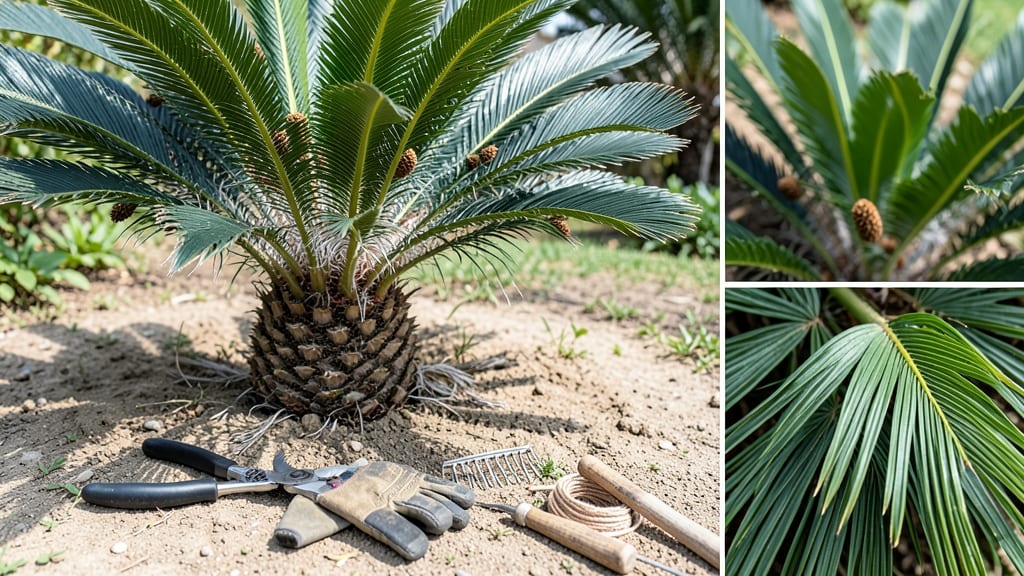
Pruning sago palms might seem intimidating, but it's the secret to keeping yours thriving for decades. ✂️ I've learned that removing old fronds and damaged growth isn't just about looks—it's about giving your plant the energy to produce new, vibrant leaves and stronger canes.
The right cuts at the right time make all the difference, especially when dealing with those sharp, saw-toothed fronds.
You'll need heavy-duty pruners or a sharp handsaw for thicker stems, thick gloves to protect your hands, and a clean workspace to avoid spreading any potential pests. Timing matters too—prune dead fronds anytime, but save major cuts for late winter or early spring when new growth naturally begins.
Safety first: those fronds can slice like razors, so always wear gloves and work carefully.
When you're ready, start by removing any brown, crispy fronds at the base—these are just taking energy from your plant. For damaged canes, cut just above the point where healthy tissue begins.
What you're left with is a plant that looks cleaner and grows more vigorously, with fresh green fronds emerging within weeks. The key is patience and precision, not aggressive cutting.
Common mistakes include cutting too close to healthy growth or pruning during extreme heat, which stresses the plant. Instead, focus on gradual improvements and watch as your sago palm rewards you with stronger, more productive growth year after year.
With the right approach, your palm will stay healthy and stunning for decades to come.
📚 In This Guide
- What you need
- Instructions
- Tips and common mistakes
- Wrapping up and next steps
What you need
- ● Pruning shears or loppers: Bypass pruners (8–10" blade length) for clean cuts on smaller fronds. For thicker canes, use loppers (16–20" blade).
- ● Heavy-duty pruning saw: 10–12" curved blade for cutting through thick, woody canes (if needed).
- ● Disposable gloves: Nitrile or leather gloves (thick, cut-resistant for protection).
- ● Safety goggles: ANSI-rated to shield eyes from debris.
- ● Ladder or step stool: Sturdy, non-slip (6–10 ft tall, depending on palm height).
- ● Heavy-duty trash bags: 20–30 gallon capacity for collecting pruned fronds and debris.
- ● Rubbing alcohol or bleach: 70% isopropyl alcohol or 10% bleach solution to disinfect tools between cuts.
- ○ Pruning sealant (optional): Tree wound dressing (like Tanglefoot Tree Wound Pruning Seal) to protect large cuts.
- ● Long-sleeve shirt and pants: Protects against scratches from sharp fronds.
- ● Extension pole pruners: For high fronds (10–15 ft reach).
- ● Hose or spray bottle: To rinse tools and clean sap off blades.
- ● Compost bin: For repurposing healthy fronds as mulch.
Step-by-Step instructions for sago palm pruning
Here's how to keep your sago palm thriving with clean cuts and strategic timing.
✂️ Step 1: Identify Dead or Damaged Canes
Start by examining your sago palm for canes that show signs of decline. Look for brown, brittle fronds that crunch when touched or stems that feel hollow when tapped—these are dead and need removal. Healthy fronds should be green with some yellowing only at the tips.
Real talk: Don't prune healthy canes just because they look messy. Sago palms store nutrients in their trunks, and removing too many fronds stresses the plant. Only cut what's truly dead or diseased. I always wait until after a frost if I'm unsure, as cold damage can mimic natural aging.
✂️ Step 2: Use the Right Tools and Technique
Grab your sterilized pruning shears or a sharp knife—dull tools tear tissue and invite infection. Make clean cuts about 1 inch above a leaf node (the bump where leaves attach). This encourages new growth from the correct spot. Never leave stubs longer than ½ inch.
For larger canes, I use a handsaw with a fine-tooth blade to avoid splintering. Always disinfect your tools between cuts with rubbing alcohol to prevent spreading any potential pathogens hiding in the plant's wounds.
✂️ Step 3: Prune for Shape and Airflow
Step back and visualize your palm's natural shape. Remove fronds that grow inward or cross other canes to improve airflow and sunlight penetration. Aim to create an open, vase-like structure that allows light to reach the center. I like to prune in a spiral pattern when possible—this mimics the plant's natural growth rhythm.
Here's the thing—sago palms grow slowly, so don't rush. Remove no more than ⅓ of the fronds at one time, even if they look overgrown. The plant needs its leaves for photosynthesis to fuel new growth. If you're unsure, err on the side of leaving more fronds than taking some.
⏰ Step 4: Time Pruning for Optimal Recovery
Spring is ideal for most pruning, but sago palms are forgiving year-round. After a hard frost, wait 4-6 weeks before pruning to let the plant recover from cold stress. In summer, prune early morning or late afternoon to avoid heat shock on fresh cuts.
I've found that pruning just before a rain shower helps—natural watering reduces stress on the plant. Avoid heavy pruning in fall if your winters are harsh, as new growth won't harden off before cold arrives. Watch for new fronds emerging from the top—this is your sign the plant is ready for another round of maintenance.
🌱 Step 5: Clean Up and Monitor Growth
Remove all pruned fronds from the area to prevent diseases from lingering. I like to compost healthy fronds (they break down slowly) and dispose of diseased ones. After pruning, give your sago palm a balanced fertilizer to support new growth, following package rates for palms.
Keep an eye on the pruned areas for 2-3 weeks. Healthy cuts should seal over and show no signs of oozing or discoloration. If you notice blackened edges or mushy tissue, that's a sign of infection—prune back further to healthy tissue and consider applying a fungicide. Your palm will tell you what it needs if you pay attention to the details.
Tips & tricks for sago palm maintenance
These simple strategies will help you prune like a pro and keep your sago palm thriving year after year.
Tool Prep is Critical: Before you even touch your palm, take 5 minutes to properly sterilize your tools. I learned this the hard way after seeing blackened edges on my cuts—I now wipe blades with rubbing alcohol between every cut, especially when dealing with diseased fronds. For larger canes, a handsaw with fine teeth prevents splintering that can introduce bacteria. Remember, clean tools mean cleaner cuts that heal faster.
Visual Cues for Healthy Cuts: When making your 1-inch cuts above leaf nodes in Step 2, look for these signs: the cut should expose fresh green tissue, not brown or mushy centers. Healthy tissue should look firm and slightly moist, not dry or shriveled. If you see blackened edges after cutting, that's your signal to cut back further to reach healthy tissue—this prevents infections from spreading.
Seasonal Timing Matters: The 4-6 week waiting period after frost in Step 4 is crucial for cold-stressed palms. During this time, the plant is redirecting energy to recover from winter damage. I've noticed that palms pruned too soon after frost often show delayed new growth. Similarly, avoid heavy pruning in late summer if your winters are harsh—new growth won't have time to harden off before cold arrives.
Monitoring Growth is Key: After pruning, watch the cuts for 2-3 weeks—they should seal over and develop a thin layer of callus. If you notice oozing sap or blackened edges during this period, that's your plant communicating it's stressed. In these cases, I've found that applying a thin layer of horticultural sealant (like tree wound pruning paste) helps protect the cut while it heals, though it's not always necessary for minor cuts.
Pro Tips for Sago Palm Pruning
- These simple strategies will help you prune like a pro and keep your sago palm thriving year after year.
- Tool Prep is Critical: Before you even touch your palm, take 5 minutes to properly sterilize your tools.
- Visual Cues for Healthy Cuts: When making your 1-inch cuts above leaf nodes in Step 2, look for these signs: the cut should expose fresh green tissue, not brown or mushy centers.
Frequently asked questions
Got questions about keeping your sago palm looking its best?
Here are the most common concerns—and expert answers—to help you prune with confidence!
When is the best time of year to prune a sago palm?
The ideal time to prune is late winter or early spring (just before new growth begins). However, you can also prune dead or damaged fronds year-round. Avoid heavy pruning during extreme heat or cold to minimize stress on the plant.
How do I tell if a frond is dead and needs removal?
Dead fronds are brown, dry, and crispy to the touch. If they snap easily when bent or pull out with gentle tugging, they’re ready to go! Never leave dead fronds—they can attract pests and diseases. Use clean, sharp tools for a quick removal.
Can I prune a sago palm too much? What are the signs?
Yes! Over-pruning removes too many fronds at once, weakening the plant. Signs include yellowing leaves, stunted growth, or exposed trunk. Stick to removing only 10-20% of fronds per year and avoid cutting into the crown (top growth center).
What should I do if my sago palm has no fronds left?
If your sago palm is completely bare, it’s likely dormant or severely damaged. Wait for new shoots to emerge (usually in spring). If no growth appears after a year, check for root rot, pests, or disease. In extreme cases, propagation from offsets may be possible.
Do I need special tools for sago palm pruning?
Basic tools like pruning shears, loppers, and gloves work for most jobs. For thicker fronds, a pruning saw helps. Always sterilize tools with rubbing alcohol between cuts to prevent spreading disease. A ladder or extension pole may be needed for tall palms!
Wrapping up and next steps
Pruning your sago palm is a rewarding way to keep it thriving and looking its best year-round! 🌿 Whether you're trimming dead fronds, shaping canes, or encouraging new growth, the key is patience and consistency.
With the right tools, timing, and techniques, you’ll enjoy a healthier, more vibrant plant that stands out in your landscape.
Ready to take the next step? Mark your calendar for seasonal pruning sessions and keep an eye on your sago palm’s progress. A little effort now means lush, sturdy growth—and maybe even a few stunning blooms—down the road! 🌟