
Pruning
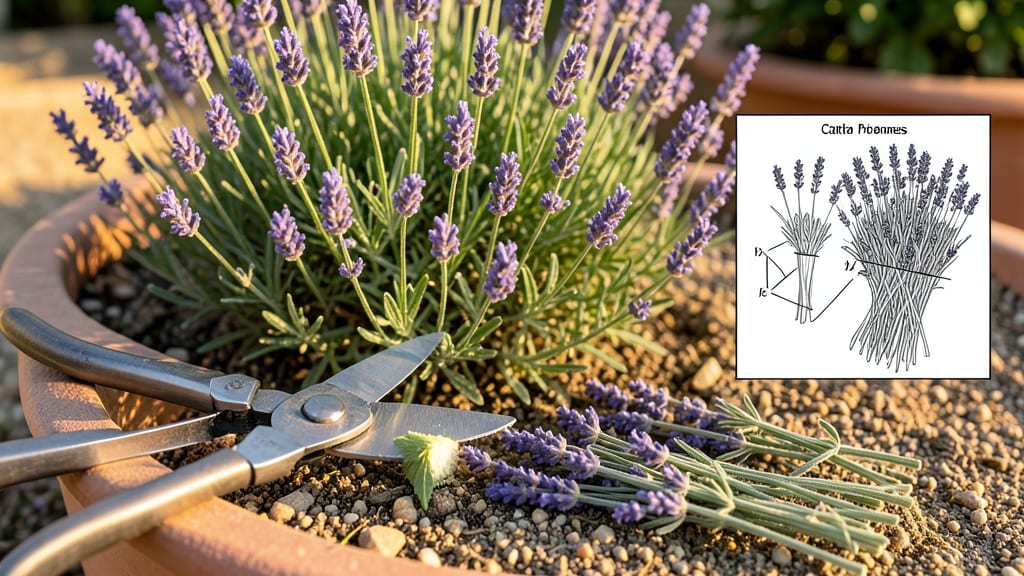
Should lavender be pruned? Absolutely—it’s the secret to longer blooming seasons and plants that thrive for years. I learned the hard way that skipping pruning turns those fragrant bushes into woody sticks with sparse flowers. The right cuts encourage dense growth and keep lavender looking lush, not leggy.
Timing matters most: prune right after flowering, never in late summer or fall when new growth can't harden off before winter. Use sharp, clean shears to trim back one-third of the previous year's growth, cutting just above a set of leaves.
Avoid cutting into old wood—it won't regrow—and never prune more than a third at once.
You'll notice the difference by next spring: fuller plants, more flowers, and stems that stay sturdy even in heavy blooms. The fragrance becomes richer too, as pruning removes old, less aromatic wood. For woody lavender varieties, a light trim in early spring keeps them compact without sacrificing blooms.
Pro tip: If your lavender looks sad after pruning, it's likely over-pruned. Start light next time—lavender forgives mistakes, but it takes patience to recover. The payoff? Plants that reward you with vibrant purple blooms for decades.
📚 In This Guide
- What you need
- Instructions
- Tips and common mistakes
- Wrapping up and next steps
What you need
- ● Pruning shears: Bypass pruners (sharp, clean, and with a 4- to 6-inch blade for precision). Avoid anvil pruners—they can crush stems.
- ● Hand pruners: A small, ergonomic pair for trimming finer stems or hard-to-reach spots.
- ● Garden gloves: Thick, cut-resistant gloves (lavender stems can be prickly!). Choose nitrile-coated for extra grip.
- ● Disinfectant: Rubbing alcohol (70% isopropyl) or a garden disinfectant to sterilize tools between cuts and prevent disease.
- ● Sharpie or marker: For labeling pruned branches if you’re propagating cuttings.
- ● Bucket or trash bag: A small container to collect pruned stems for composting or propagation.
- ● Lopper: For larger lavender bushes (e.g., Lavandula stoechas) with thick stems.
- ● Hedge shears: If you’re shaping a lavender hedge—opt for adjustable, fine-toothed shears.
- ● Pruning saw: For very woody stems (rare in lavender but useful for older plants).
- ● Plant food: A balanced, low-nitrogen fertilizer (e.g., 5-5-5 or 10-10-10) to revive plants post-pruning.
- ● Rooting hormone: If you plan to propagate cuttings from your prunings.
- ● Mulch: Gravel or pine bark to keep moisture away from the base after pruning (lavender hates soggy roots!).
Instructions for pruning lavender to encourage healthy growth and abundant blooms
Pruning lavender isn't about shaping—it's about preserving its natural beauty while keeping it productive.
Time Your Prune for Maximum Impact
Prune lavender immediately after it finishes blooming in late spring or early summer. This timing ensures you remove spent flowers while leaving enough foliage to fuel next year's growth. If you miss this window, avoid cutting back until early fall—never prune in late summer or winter, as this stresses the plant.
Look for browned flower stems and dried seed heads—they’re your pruning cues. Healthy lavender has woody stems with fresh green foliage at the tips. Wait until these stems turn brown and brittle before cutting, or you risk removing too much leafy growth that protects the plant from winter cold.
Use the Right Tools and Technique
Sharp, clean bypass pruners are a must—dull blades crush stems and invite disease. Disinfect your tools with rubbing alcohol before and after pruning to prevent spreading pathogens. Avoid shears or hedge trimmers; they tear stems and damage the plant's structure.
Cut just above a set of healthy leaves or a woody node—never leave stubs. Aim for a clean, angled cut about ¼ inch above the growth point. This prevents water from pooling and rotting the stem. If you're unsure where to cut, err on the side of leaving more foliage—lavender recovers better from under-pruning than over-pruning.
Shape Gently to Maintain the Plant’s Natural Form
Lavender thrives on its airy, open structure, so avoid heavy shaping. Instead, focus on lightly thinning congested areas where stems grow too close together. Remove no more than one-third of the plant’s total foliage in a single session—this keeps the plant from becoming stressed.
Look for crossing or rubbing branches—these are prime candidates for removal. Cut them back to the base if they’re dead or diseased. For upright varieties, you can lightly trim the tips of the longest stems to encourage bushier growth, but avoid giving lavender a "manicured" look. The more you prune, the less it will flower the following year.
Post-Prune Care to Support Recovery
After pruning, water deeply but infrequently—lavender prefers dry conditions and overwatering can lead to root rot. Water only if the soil feels bone-dry to the touch about 2 inches below the surface. Avoid wetting the foliage, as this encourages fungal issues.
Apply a light layer of mulch around the base (but not touching the stems) to retain moisture and regulate soil temperature. Use gravel or coarse sand—organic mulch can smother lavender’s shallow roots. Fertilizer isn’t necessary; lavender grows best in poor, well-draining soil. Too much nitrogen will produce more leaves at the expense of flowers.
Monitor and Adjust for Future Seasons
Keep an eye on your lavender over the next 4-6 weeks for signs of stress, like yellowing leaves or wilting. If you notice these symptoms, reduce watering further and avoid pruning for at least a year. Healthy lavender should bounce back with new growth at the base and stronger stems by next spring.
If your lavender becomes woody or overgrown, it may need a rejuvenation prune in early spring. Cut back one-third of the oldest stems to the base to encourage fresh growth. This is a last resort—most lavender benefits from minimal pruning and thrives with gentle maintenance.
Tips & tricks for pruning lavender to encourage healthy growth
Here's what nobody tells you about pruning lavender—these insights will keep your plants thriving for years.
Timing is Everything: The instructions emphasize pruning in late spring or early summer after blooming, but I’ve learned this the hard way: if your lavender blooms later than usual (like in July), wait until those dried seed heads turn completely brown and brittle before cutting. This ensures you’re not removing foliage the plant still needs for winter protection. I once pruned too early in June and my lavender produced half the blooms the next season.
Tool Selection Matters More Than You Think: While bypass pruners are ideal, I’ve had great success with small, sharp garden shears for larger lavender bushes. The key is always keeping blades clean and sharp—dull tools crush stems, creating entry points for disease. I keep a small bottle of rubbing alcohol in my gardening caddy to disinfect tools between cuts, especially when working with multiple plants.
Visual Cues for Perfect Cuts: When making those angled cuts about ¼ inch above growth points, imagine you’re creating a tiny roof over the stem. This prevents water from pooling and rotting the cut. A good trick: hold the stem horizontally and make your cut at a 45-degree angle facing away from the plant’s center. This creates a natural water-shedding surface while keeping the cut hidden from view.
Recovery Watch Period: The 4-6 week monitoring window after pruning is crucial, but I’ve found that lavender in hot, dry climates may need even closer attention. In my experience, plants in Zone 8+ often show stress symptoms (like yellowing leaves) within 2-3 weeks if they’re not getting enough water. I’ve started keeping a small notebook by my lavender beds to track watering dates and note any changes in foliage color.
Pro Tips for Should Lavender Be Pruned
- Here's what nobody tells you about pruning lavender—these insights will keep your plants thriving for years.
- This ensures you’re not removing foliage the plant still needs for winter protection.
- Tool Selection Matters More Than You Think: While bypass pruners are ideal, I’ve had great success with small, sharp garden shears for larger lavender bushes.
Frequently asked questions
When is the best time to prune lavender?
The ideal time to prune lavender is right after flowering, typically in late spring or early summer. Avoid pruning in fall or winter, as this can stress the plant and reduce next year’s blooms. Pro tip: Never prune more than ⅓ of the plant at once!
Can I prune lavender in winter?
Pruning lavender in winter is not recommended—it’s a high-risk time for stress and disease. Winter pruning can damage new growth and expose the plant to cold, leading to dieback. If you must trim, wait until early spring before new shoots appear.
What if I skip pruning my lavender entirely?
Lavender can survive without pruning, but it may become woody, leggy, or overcrowded, reducing blooms and air circulation. Over time, unpruned lavender can decline in health. Light annual pruning keeps it compact, fragrant, and full of flowers!
How do I fix over-pruned lavender?
If you’ve pruned too much, don’t panic! Cutting back more than ⅓ can harm the plant, but lavender is resilient. Reduce stress by watering lightly (lavender hates soggy roots) and fertilizing lightly in spring. New growth should return in a few weeks.
Can I prune lavender to shape it like a hedge?
Yes, but lavender thrives best with natural, open growth. If you want a hedge, prune lightly after flowering, using sharp shears to maintain shape. Avoid tight, formal cuts—lavender prefers an airy, bushy look. Pro tip: Use a hedge trimmer for clean lines!
Wrapping up and next steps
Pruning lavender isn’t just about keeping your garden tidy—it’s a game-changer for healthier plants and stunning blooms! 🌿 By following the right timing (spring or early fall) and techniques (sharp shears, ⅓ trim rule), you’ll encourage lush growth without stressing your lavender.
Remember: less is more—avoid over-pruning, and always prioritize airflow and shape.
Ready to give your lavender the TLC it deserves? Grab your shears, pick a sunny day, and get pruning! Your fragrant, flourishing plants will thank you—and your garden will be the envy of the neighborhood. 🌸✨