
Pruning
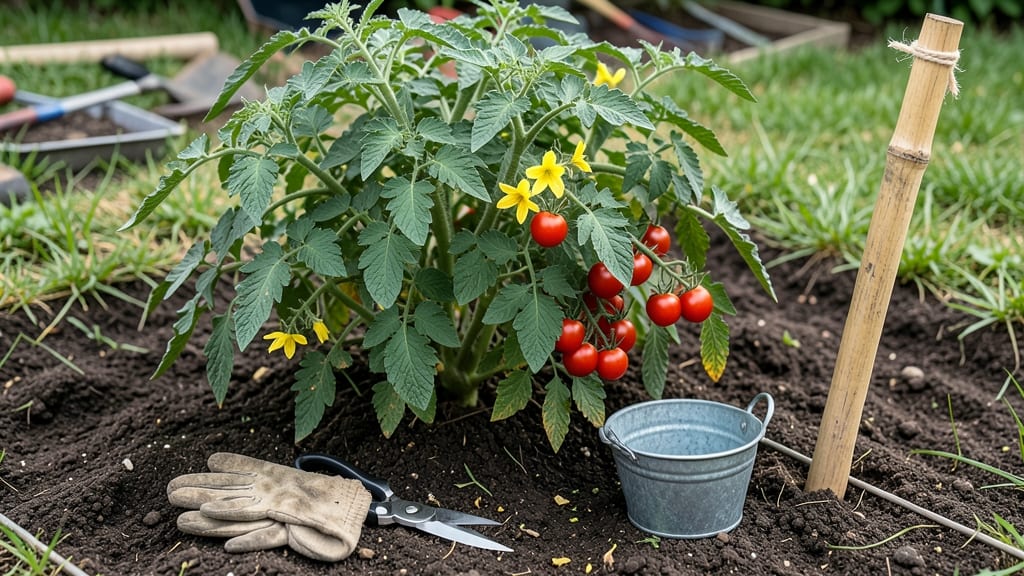
A step-by-step photo guide on how to prune tomato plants is the secret weapon behind my 20-bushel harvests—and it’s easier than you think. 🌱 The key is timing and technique: you’ll snip suckers at the right spots, boost airflow, and send energy straight to fruit production instead of leafy growth. Most gardeners skip this step, but it’s what turns good tomatoes into jaw-dropping ones.
You’ll need just three things: sharp pruners (or clean scissors), a pair of gloves, and a sunny morning to work. The best time to prune is when plants are 12-18 inches tall, focusing on the suckers—those little shoots growing between the main stem and branches.
These compete with your tomatoes for energy, so removing them early means more fruit later.
By the end of the season, your plants will look like sturdy, leafy trees with heavy clusters of ripe tomatoes instead of leggy, overgrown vines. The pruning process takes 10-15 minutes per plant, and the payoff is worth every snip—fewer diseases, better airflow, and tomatoes that keep coming until frost.
This method works for both indeterminate (vining) and determinate (bush) tomatoes, though determinates need less aggressive pruning. If you’ve ever wondered why your tomatoes stay small or your plants look stressed, this is the fix. Let’s get those pruners ready!
📚 In This Guide
- What you need
- Instructions
- Tips and common mistakes
- Wrapping up and next steps
What you need
- ● Pruning shears or scissors: Sharp, clean, and sterilized (bypass pruners work best; avoid dull tools that crush stems).
- ○ Gloves (optional but recommended): Heavy-duty gardening gloves to protect hands from thorns and dirt.
- ● Disinfectant (70% isopropyl alcohol or bleach solution): 1 part bleach to 9 parts water to sterilize tools between cuts and prevent disease spread.
- ● Garden twine or plant ties: 3–4 feet per plant (for indeterminate varieties needing support).
- ● Sturdy stakes or cages: 5–6 feet tall (if your tomatoes aren’t already supported).
- ● Hand pruners or nail clippers: For delicate trimming of suckers (small shoots in leaf axils).
- ● Spray bottle with water: To mist cuts and encourage faster healing.
- ● Compost bin or bag: For collecting pruned debris (rich in nutrients!).
- ● Notebook or app: To log pruning dates and plant progress (e.g., Gardenate or PlantNet).
- ● Know your tomato variety: Indeterminate: Grows continuously (needs regular pruning).
- ● Determinate: Bush-type (minimal pruning required).
- ● Wait until plants are 6–12 inches tall (or after flowering for indeterminate types).
- ● Choose a dry, sunny day to prune (avoid wet conditions to prevent disease).
Step-by-step instructions for pruning tomato plants
Here’s how I prune my tomato plants to boost fruit production and keep vines strong—no guesswork, just clear steps.
✂️ Step 1: Identify What to Prune and What to Keep
Start by examining your tomato plant for suckers—those small shoots growing in the V-shaped junction between the main stem and a branch. These are the first things to remove. Use your fingers or clean pruning shears to pinch them off at the base, just above the leaf. I always check the underside of the plant, where suckers love to hide.
Leave the main stem and fruit-bearing branches untouched. These are your plant’s powerhouses—removing them weakens growth. Look for sturdy, upward-facing branches with fruit; these are the ones you’ll protect. If a branch is diseased or yellowing, cut it back to healthy tissue immediately.
✂️ Step 2: Prune for Airflow and Light
Thin out crowded foliage by removing inner leaves that shade the lower stems. Aim to leave 2-3 leaves below each fruit cluster—this ensures sunlight reaches the fruit and reduces humidity, which fights fungal diseases like blight. I start pruning from the bottom of the plant and work upward, always keeping the top leaves to fuel photosynthesis.
For indeterminate tomatoes (the vining types), prune one-third of the plant’s height to encourage airflow. This prevents damp conditions that invite pests and disease. If your plant is determinate (bush-type), skip heavy pruning—these grow in compact shapes and don’t need shaping.
✂️ Step 3: Support and Train the Vine
After pruning, guide the main stem upward along a tomato cage or stake, tying it loosely with soft plant ties. Never wrap tightly—you want the stem to grow, not strangle. I like to tie every 12 inches to prevent bending. This keeps the plant upright and makes future pruning easier.
Watch for shoots growing from the base of the plant. These are called suckers too—remove them immediately. If left unchecked, they’ll drain energy from your fruit. Prune on a dry, sunny morning so wounds dry quickly, reducing the risk of infection.
✂️ Step 4: Monitor and Maintain Regularly
Prune every 1-2 weeks during the growing season to stay ahead of sucker growth. I set a reminder on my phone—skipping pruning leads to overcrowded plants and smaller yields. Always use clean, sharp shears to avoid tearing stems, which invites disease.
Pay attention to fruit clusters. If a cluster has more than 5-6 tomatoes, thin it to 2-3 largest fruits to improve size and quality. This might seem harsh, but fewer, bigger tomatoes are worth the effort. Stop pruning 4-6 weeks before your first frost to let the plant focus on ripening existing fruit.
⏰ Step 5: Clean Up and Prepare for Next Season
At the end of the season, cut back all remaining vines to ground level and remove them from the garden. This prevents pests and diseases from overwintering. I also sterilize my pruners with rubbing alcohol between plants to avoid cross-contamination.
Compost healthy pruned material—it’s nutrient-rich! If you notice yellowing leaves or stunted growth after pruning, your plant might need more sunlight or water. Adjust care based on what you see, not just the calendar.
Tips & tricks for pruning tomato plants
Here's what nobody tells you about pruning tomato plants—these tricks will transform your harvest.
Timing Secret: The 1-2 week pruning schedule is non-negotiable for indeterminate varieties. I learned this the hard way after letting suckers grow for three weeks—they stole energy from my fruit! For determinate tomatoes, focus on removing only diseased leaves rather than heavy pruning. The key is consistency: set that phone reminder and stick to it.
Equipment Upgrade: Don't settle for dull scissors—they tear stems and invite disease. Invest in a pair of clean, sharp pruning shears and sterilize them with rubbing alcohol between plants. I keep a small bottle of 70% isopropyl alcohol in my gardening bucket for quick cleanups. For suckers too small for shears, just pinch them off with your fingers—no fancy tools needed.
Visual Cue: When pruning for airflow in Step 2, imagine sunlight streaming through your plant. Your goal is to create a lattice effect—remove leaves that block light from reaching fruit clusters. I like to hold my hand about 6 inches below each cluster to check for shadows. If you can't see daylight through the foliage, keep pruning until you can.
Frost Timing: The 4-6 week rule before your first frost is your secret weapon for ripening fruit. Mark your calendar now! I use my local weather service's frost prediction tool to set my stop-pruning date. If you're in a warm climate, you can extend this to 3 weeks—but never prune after frost hits, as the plant needs all its energy to protect existing fruit.
Pro Tips for Step By Step Photo How To Prune Tomato Plants
- Here's what nobody tells you about pruning tomato plants—these tricks will transform your harvest.
- Timing Secret: The 1-2 week pruning schedule is non-negotiable for indeterminate varieties.
- Equipment Upgrade: Don't settle for dull scissors—they tear stems and invite disease.
Frequently asked questions
Got questions about pruning tomato plants?
You’re not alone! Here are answers to the most common concerns—so you can confidently shape your vines for a bigger, healthier harvest.
Do I really need to prune my tomato plants?
Not always! Determinate tomatoes (bush varieties) rarely need pruning—they produce fruit along the stem and branches. Indeterminate tomatoes (like cherry or beefsteak types) benefit most from pruning to improve airflow, reduce disease, and direct energy to fruit production. Skip it if you’re short on time or growing determinate varieties.
When’s the best time to prune tomato plants?
Prune early and often—start when plants are 12–18 inches tall, then repeat every 1–2 weeks. Avoid pruning during flowering or fruiting (stress can drop blossoms). Morning sessions are ideal: wounds heal faster in cool, dry conditions. Never prune after rain or in hot afternoons!
What if I cut too much off my tomato plant?
Over-pruning can stress the plant, leading to fewer fruits or stunted growth. Rule of thumb: Never remove more than ⅓ of the plant at once. Focus on removing suckers (side shoots) and dead/diseased leaves. If you’ve already overdone it, stop pruning and let the plant recover—it’ll bounce back with proper care (water, sunlight, and fertilizer).
Can I prune tomato plants in hot or cold weather?
Pruning in extreme heat (above 90°F) or cold (below 50°F) stresses plants, slowing recovery. Best temps: 60–80°F. If you must prune in heat, do it early morning or late evening. In cold climates, wait until soil warms up (spring) or use row covers to protect plants post-pruning.
What’s an alternative if I don’t want to prune?
No pruning? No problem! Try these low-maintenance tips for healthier plants:
- Space plants widely (2–3 feet apart) for better airflow.
- Remove only diseased leaves to prevent spread.
- Use a fan near plants to improve circulation.
- Choose disease-resistant varieties (e.g., ‘Celebrity’ or ‘Mountain Merit’).
Wrapping up and next steps
Pruning your tomato plants might seem tricky at first, but with the right tools, timing, and technique, you’ll soon be boosting yields and stronger vines like a pro! 🌱 Remember, the key is to encourage airflow, remove suckers early, and prune strategically—whether you’re growing determinate or indeterminate varieties.
Now that you’ve mastered the steps, watch your garden thrive and enjoy those juicy tomatoes all season long!
Ready to take it further? Experiment with different pruning styles or try growing a few heirloom varieties to see how pruning affects their growth. Happy gardening! 🌿