
Pruning
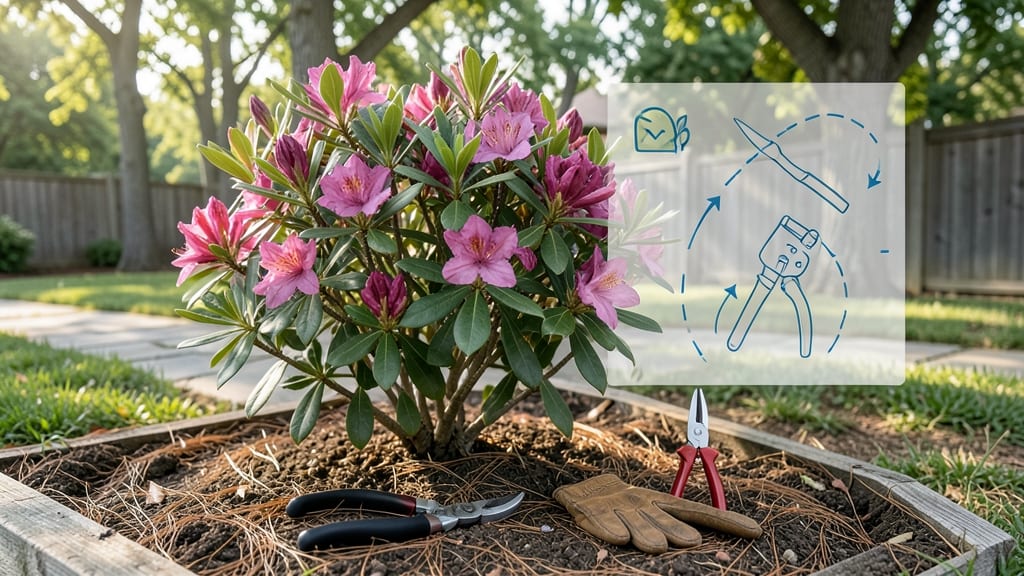
Pruning azalea bushes at the right time ensures vibrant spring blooms and keeps your 🌸 thriving for years.
If you’ve ever watched your azaleas struggle to recover after a late prune—or worse, fail to bloom—you know timing is everything. The difference between a lush, flowering shrub and one fighting for its life often comes down to when you reach for those shears.
Late winter, just as buds begin to swell but before new growth starts, is the best window for azaleas in USDA Zone 6a. This timing avoids damaging tender spring shoots while giving your plant the energy it needs to burst into color.
In this guide, I’ll walk you through the exact steps for late-winter pruning, from tools to techniques, so you can skip the guesswork and enjoy a showstopping display of blooms.
Why late winter is the optimal time to prune azalea bushes
Pruning your azalea bushes at the wrong time can mean fewer blooms—and even damage to your plant. But timing it perfectly ensures vibrant spring flowers and a healthier shrub all season long. The key lies in understanding your azalea's natural growth cycle and how late winter aligns with its needs.
When you prune at the right moment, you're not just shaping your plant—you're setting the stage for a spectacular bloom season.
Azaleas are deciduous or evergreen shrubs that rely on a precise timing for pruning to avoid stress. Unlike many plants, azaleas bloom on old wood, meaning their flowers form on last year's growth.
If you prune too late, you risk cutting off next year's flower buds before they've even formed. Late winter is the sweet spot because your azalea is still dormant, conserving energy, and hasn't yet started pushing new growth.
Here’s why late winter is the best time to prune azalea bushes, backed by science and practical gardening wisdom:
- ✅ Dormant Season Advantage: Pruning in late winter (just after last frost) ensures your azalea isn’t actively growing. This minimizes stress and bleeding, as the plant isn’t expending energy on new leaves or flowers.
- ✅ Bloom Cycle Alignment: Azaleas set next year’s flower buds in late summer and fall. Pruning in late winter avoids cutting these buds, which are already forming on last year’s wood.
- ✅ Avoiding Spring Frost Damage: Late winter pruning (typically February to early March) gives your azalea time to heal before spring frost risks. New cuts are less vulnerable to cold damage.
- ✅ Encouraging Airflow and Light: Removing dead, diseased, or crossing branches in late winter improves airflow and sunlight penetration, reducing fungal risks like powdery mildew and promoting healthier growth.
- ✅ Shape for Next Season: Late winter is ideal for shaping your azalea because you can see its natural form without the distraction of foliage or flowers. This helps you create a balanced, bloom-ready structure for spring.
Timing is everything when it comes to azalea pruning. If you prune too early (like in deep winter), you risk exposing the plant to harsh cold or frost, which can damage new cuts.
On the other hand, pruning too late—after buds have formed—can reduce next year’s blooms by removing potential flower sites. Late winter strikes the perfect balance, giving your azalea time to recover before spring’s active growth phase.
Another critical factor is regional climate. In colder zones (like USDA Zone 5 or 6), late winter might mean waiting until March to avoid frost damage. In milder zones (like Zone 8 or 9), you can prune as early as late January.
Always check your local frost dates to plan accordingly. For example, if your last frost is typically around March 15, aim to finish pruning by mid-February.
Pruning in late winter also gives your azalea a head start on photosynthesis once temperatures rise. By removing dead or weak branches, you’re redirecting the plant’s energy toward producing stronger stems and more abundant blooms.
Think of it like giving your azalea a fresh start—just in time for the growing season. This is especially important for evergreen azaleas, which rely on year-round foliage to fuel their growth.
One common misconception is that you should prune azaleas right after they finish blooming in spring. While this might seem logical, it’s actually too late for optimal results. By the time spring rolls around, your azalea’s flower buds for next year are already forming.
Cutting back then would sacrifice future blooms for short-term shaping. Late winter pruning ensures you’re working with the plant’s natural rhythm, not against it.
If you’ve been putting off pruning your azalea because you’re unsure about timing, late winter is your best opportunity. The dormant season means less stress on the plant, and the upcoming growth phase will reward your efforts with healthier foliage and more vibrant flowers.
Just remember: clean cuts, sharp tools, and a focus on removing no more than 1/3 of the plant’s growth will keep your azalea thriving for years to come.
For those in warmer climates where azaleas bloom in fall or winter, the timing shifts slightly. In these regions, prune right after flowering to avoid cutting off next year’s blooms. But for most gardeners in temperate zones, late winter is the gold standard for azalea pruning.
With the right timing, your azalea will thank you with a show-stopping display of color come spring.
So grab your pruners, mark your calendar for late winter, and get ready to give your azalea the care it deserves. Your future blooms will be brighter—and your shrub will be healthier—because of it. Happy pruning! 🌿✂️
Step-by-step late winter azalea pruning guide: tools and techniques
Pruning your azalea bushes in late winter sets the stage for vibrant spring blooms and a healthier shrub. This is when your plant is dormant but ready to wake up—perfect timing for shaping without stressing the plant.
With the right tools and techniques, you’ll encourage new growth while avoiding common mistakes that can harm your azaleas.
Before you start, gather your supplies. You’ll need sharp pruning shears for clean cuts, sterilized tools to prevent disease, and gloves to protect your hands from thorns. A ladder may also help if your azaleas are tall.
Once you’re ready, follow these steps to prune like a pro and maximize next season’s flowering potential.
After pruning, monitor your azaleas for new growth signs in early spring. If you notice any yellowing leaves or weak stems, it could signal over-pruning or stress. Adjust your care routine by watering more frequently and applying a balanced fertilizer in early spring to support recovery.
With the right timing and technique, your azaleas will reward you with show-stopping blooms next season. Late winter pruning isn’t just about shaping—it’s about giving your plants the best start possible. Happy gardening!