
Pruning
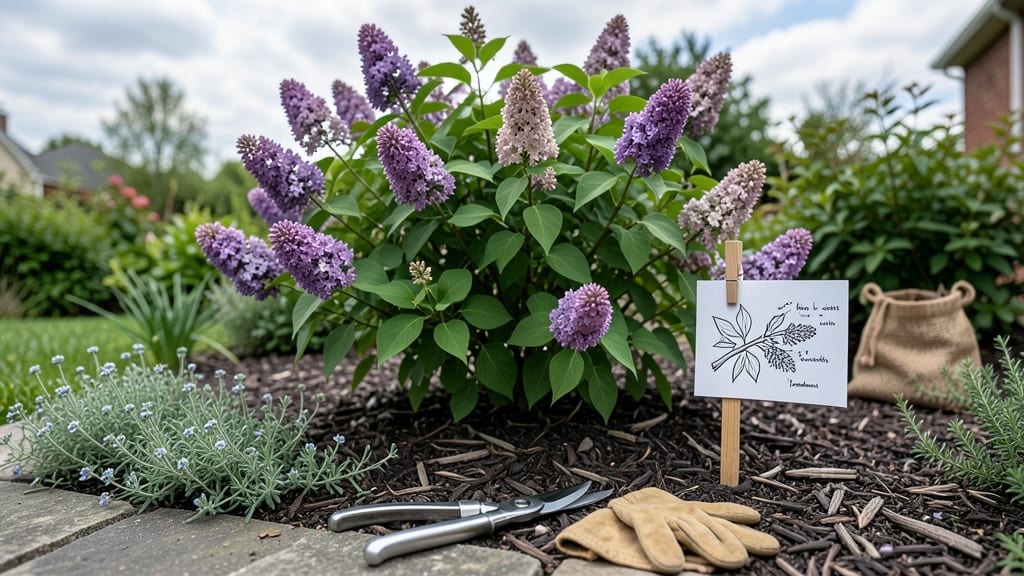
When should a lilac bush be pruned? The best time is late winter or early spring—right after the last frost but before buds swell—if you want next year’s blooms to shine.
Skip this window, and you risk cutting off next season’s flowers or stressing the plant. But get it right, and your 🌸 lilac bush will reward you with stronger growth, more fragrance, and a fuller shape. The key is knowing when to stop waiting and start pruning.
Timing matters more than you might think. Prune too early, and you’ll remove flower buds before they open. Wait too long, and you’ll encourage weak, leggy branches. Even the climate where you live plays a role—warmer zones may need a slightly later cut.
Below, I’ll walk you through the exact seasonal window for your region, the tools you’ll need, and how to avoid the most common pruning mistakes that leave lilacs looking sad instead of stunning.
Best time to prune lilac bushes for maximum blooms
Lilacs thrive when pruned at the right moment, but many gardeners accidentally cut back new flower buds by pruning too early. The ideal window is late winter or early spring—right after blooms fade—when your bush is still dormant but before buds swell.
This timing ensures next year’s fragrant blooms stay intact while you shape the plant.
Pruning at the wrong time can reduce next year’s flowers by up to 50%, since lilacs bloom on old wood. Cutting too late in spring or summer removes new growth that holds next season’s buds.
Even worse, pruning after flowering risks cutting off current blooms and weakens the plant’s energy reserves.
Climate plays a key role: In cold regions (USDA Zones 3-5), prune in late winter (February-March) before buds break. In mild climates (Zones 6-9), wait until early spring (March-April) when frost risk passes. Always prune after the last frost date in your area to avoid stressing the plant.
| Climate Zone | Best Pruning Window | Why It Matters |
|---|---|---|
| Cold (Zones 3-5) | Late Winter (Feb-Mar) | Avoids frost damage; buds haven’t swollen yet. |
| Mild (Zones 6-9) | Early Spring (Mar-Apr) | Prevents cutting new growth with flower buds. |
| All Zones | After Blooming (Summer) | Light trimming only; removes spent blooms. |
If you miss the late-winter window, never prune in summer—this removes next year’s buds and stresses the plant. Instead, wait for fall (September-October) for a second chance, but prune lightly to avoid stimulating new growth before winter.
For overgrown lilacs, rejuvenation pruning is best done in early spring, cutting back 1/3 of old wood to encourage new shoots.
Look for bud swell as your cue—this means buds are forming for next year’s flowers. Pruning before this stage is safe, but wait until after buds appear to avoid cutting off blooms. In warm climates, buds may swell earlier (as early as January), so monitor your plant closely.
For young lilacs (under 3 years old), minimal pruning is needed—just remove dead or crossing branches. Mature bushes (over 5 years) can handle more aggressive shaping, but always aim to open the center for airflow and sunlight.
Never remove more than 1/3 of the plant in one year, as this weakens the root system.
Pro tip: Mark your calendar for 3-4 weeks after blooming—this is your last safe window for shaping without risking next year’s flowers. Use sharp pruners and make cuts at a 45-degree angle just above a bud or branch collar to promote healing and growth.
In drought-prone areas, prune early in the season (February-March) to reduce water stress. Avoid pruning during heatwaves, as the plant needs energy to recover. Water deeply before and after pruning to support new growth and reduce shock.
Remember: Lilacs reward patient pruning. A well-timed cut in late winter can transform a rambling, overgrown bush into a vibrant, fragrant centerpiece for years to come. With the right timing, your lilac will thank you with bigger, healthier blooms every spring.
Step-by-step lilac pruning guide: tools, cuts, and common mistakes
Pruning a lilac bush correctly transforms it from a wild, overgrown shrub into a fragrant, well-shaped beauty. But without the right techniques, you can accidentally kill next year’s blooms or weaken the plant.
The key lies in understanding two pruning methods: thinning and heading back, plus knowing which tools to use and what cuts to avoid.
First, grab your pruning shears and loppers—sharp tools make all the difference. Dull blades tear branches, inviting disease. For thicker stems over ½ inch thick, use pruning saws. Always sanitize tools with rubbing alcohol between cuts to prevent spreading fungal infections like powdery mildew.
⚠️ callout warning ⚠️
The worst time to prune lilacs is immediately after planting or during the growing season. Instead, wait until late winter or early spring (just as buds begin to swell) or right after flowering in late spring. Pruning at these times ensures next year’s blooms form on new wood.
In mild climates, you can prune in fall, but avoid it in cold regions where late cuts may not heal before frost.
Start with thinning cuts—this removes 10-30% of oldest stems at the base. Look for thin, weak, or crossing branches that crowd the center. Cut these all the way back to the ground.
This improves air circulation and sunlight penetration, reducing disease risk. For heading back, trim 1/3 of the current season’s growth to encourage bushier growth and more blooms.
Never cut into old wood (wood older than 3 years)—this removes next year’s flower buds, which form on new growth. Avoid over-pruning more than 30% of the plant at once, or you’ll shock the lilac.
And skip pruning if your bush just bloomed—wait until after the flowers fade to avoid removing next year’s buds.
To shape your lilac, make cuts just above a bud or leaf node at a 45-degree angle. This encourages new growth in the right direction.
For rejuvenation pruning (if your lilac is overgrown), cut back ⅓ of the oldest stems each year over 3 years to avoid stressing the plant.
After pruning, water deeply and apply a 2-inch layer of mulch around the base to retain moisture. Fertilize lightly in early spring with a balanced 10-10-10 formula to support new growth. With the right cuts and timing, your lilac will reward you with vibrant, fragrant blooms for decades.