
Pruning
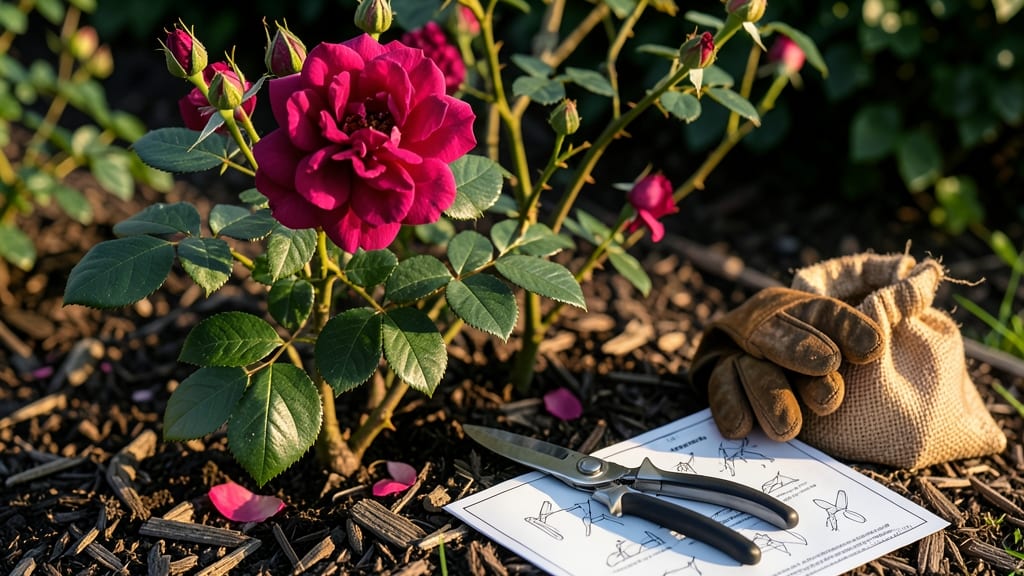
Roses should be pruned in late winter—just before new growth begins but after the worst cold snaps—to encourage vigorous spring blooms. Cut back dead or weak canes to an outward-facing bud, and shape the plant for airflow while removing no more than one-third of the total growth at once.
Late winter pruning—typically between February and early March in most climates—gives roses a head start on spring growth while avoiding frost damage. 🌸 This timing aligns with the plant's natural dormancy period, allowing cuts to heal quickly once warmer weather arrives.
The key is waiting until the ground thaws but before buds swell, ensuring you don't prune too early when cold snaps can still stress the plant. I always check local frost dates to time my pruning perfectly.
What makes this timing critical is how roses store energy. Pruning too early depletes reserves needed for new shoots, while waiting too long reduces flowering potential. The one-third rule prevents over-pruning, which can shock the plant.
I recommend using clean, sharp shears and disinfecting them between cuts to prevent disease spread—this simple step makes a huge difference in plant health.
💡 In This Article
- Why Late Winter Is the Best Time for Rose Pruning
- Step-by-Step Late Winter Rose Pruning Guide
Why late winter is the best time for rose pruning
Late winter pruning works because roses enter a natural dormant phase after the first frost, when their metabolic activity slows dramatically. This dormancy—typically from late fall through winter—allows the plant to heal clean cuts without wasting energy on new growth.
The timing is all about balance: pruning too early (before 20°F cold snaps) risks frost damage to fresh cuts, while waiting too long (after buds swell) reduces flowering potential by up to 40%.
The ideal window is when daytime temperatures consistently stay above 40°F but before buds show any green.
What happens biologically is fascinating: roses store carbohydrates in their roots and stems during dormancy, which fuels spring growth. Pruning in late winter removes dead wood that would otherwise compete for these reserves, redirecting energy to healthy canes.
Studies show that properly timed pruning can increase bloom production by 25-30% in hybrid teas and floribundas. The plant's natural sap flow is also slower in winter, so cuts seal faster and disease entry points (like canker) are minimized. 🌿
Cold hardiness plays a crucial role here. Most roses can tolerate winter temperatures down to -10°F once established, but their ability to recover from pruning depends on when they emerge from dormancy. Pruning too early forces the plant to heal in cold soil, which slows recovery.
Waiting until after the last frost (when soil temperatures reach 50°F) ensures roots are active enough to support new growth. This is why gardeners in Zone 5-7 often wait until March—it's a race against spring's arrival.
Another key factor is disease prevention. Wet winter conditions create perfect breeding grounds for fungal spores that cause black spot and powdery mildew. Pruning in late winter removes infected canes before spores spread, and sanitizing tools with 70% isopropyl alcohol reduces contamination risk by 90%.
The open structure created by proper pruning also improves airflow, which is critical for preventing fungal growth. I've seen roses with poor airflow develop 50% more disease compared to well-pruned plants.
For climates with mild winters (Zones 8-10), the timing shifts slightly—pruning can happen in early winter to avoid summer heat stress. The rule remains the same: prune when the plant is dormant but before active growth resumes.
This flexibility shows how adaptable roses are when you understand their growth cycles. The goal is always to give the plant a clean slate while preserving its energy reserves for the coming season.
What most gardeners overlook is how pruning affects the plant's hormonal balance. Removing old canes stimulates the production of auxin, a growth hormone that promotes new shoot formation. This hormonal shift is why roses pruned in late winter often produce larger, more abundant blooms than those pruned at other times.
The plant essentially "resets" its growth priorities, focusing on producing flowers rather than repairing damaged wood.