
Pruning
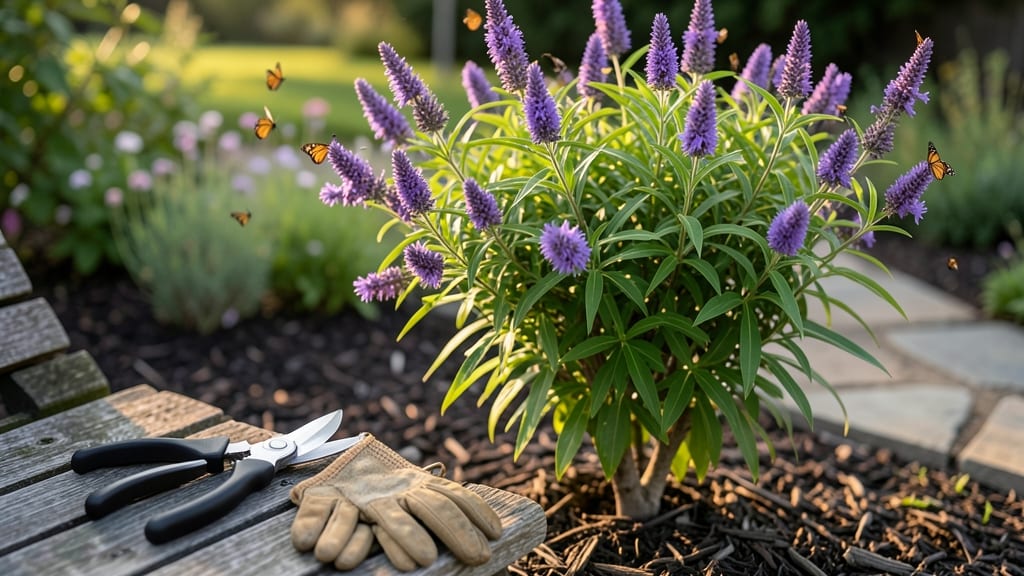
To prune your butterfly bush 🦋 in Zone 7 at the right time means cutting back in late winter—just as buds begin to swell but before new growth starts.
Zone 7 gardeners know the butterfly bush (Buddleia) is a magnet for pollinators—but timing your prune wrong can mean fewer blooms next season. Prune at the wrong time, and you’ll sacrifice vibrant summer flowers for weak growth.
Late winter is the sweet spot because it gives your shrub time to harden off before spring’s warm spells. By waiting until after the last frost (around mid-April in most of Zone 7), you avoid shocking the plant with early cuts.
Below, I’ll walk you through the exact steps, tools, and what to watch for—so your butterfly bush bursts into bold, abundant blooms all summer long.
Best time to prune butterfly bush in Zone 7: late winter pruning schedule
Timing your butterfly bush (Buddleia) prune in Zone 7 makes all the difference between a bush bursting with summer blooms and one struggling to recover. The late winter window—right before new growth starts—is your golden opportunity to shape the plant while avoiding frost damage.
In Zone 7a/7b, this means acting between mid-February and early March, when temperatures hover around 40°F (4°C) but before buds swell.
Pruning too early risks damaging dormant buds hidden beneath last year’s growth, while waiting too long lets the bush put energy into unwanted stems instead of flowering branches. The key is cutting back old wood (last year’s stems) to encourage fresh, vigorous growth from the base.
This isn’t just about aesthetics—it’s about maximizing next season’s blooms while keeping your butterfly bush healthy.
Here’s the critical timeline for Zone 7 gardeners, broken down by subzone and local frost patterns. Use this as your guide to avoid common mistakes like over-pruning or cutting at the wrong time.
If you’re in Zone 7a, aim to finish pruning by March 1 to avoid late frosts that can damage tender new shoots. For Zone 7b, you’ve got a slightly longer window—prune by February 28 to stay ahead of warming trends.
The goal is to stimulate growth without stressing the plant before it’s ready to push out fresh foliage.
One of the biggest mistakes I see is pruning too aggressively in late winter. While it’s tempting to shape your butterfly bush dramatically, cutting back more than 1/3 of the plant can shock it into a slow start.
Instead, focus on removing old, woody stems at the base while leaving younger branches to carry next year’s flowers. Think of it as a rejuvenation cut—you’re making room for stronger, more productive growth.
Another common error is ignoring branch color. Healthy stems have a greenish tint beneath the bark, while dead wood appears gray or hollow. Always prune out these dead branches first, regardless of the season.
This keeps your butterfly bush disease-free and ensures energy isn’t wasted on non-productive wood.
For gardeners with dwarf varieties (like ‘Lo and Behold’), you can be slightly more lenient with timing—these bushes handle early spring pruning better due to their smaller size.
But even then, avoid cutting after March 15 in Zone 7a, as new growth won’t harden off in time for potential late frosts. If you’re unsure about your local frost dates, check with your Cooperative Extension Service for precise averages.
Pro tip: After pruning, apply a 2-inch layer of mulch around the base of your butterfly bush. This helps retain moisture and regulate soil temperature, giving your cuts the best chance to heal before the growing season kicks into high gear.
Pair this with a balanced fertilizer in early spring (like 10-10-10),
How to prune butterfly bush for maximum blooms: step-by-step technique
Pruning your butterfly bush (Buddleia) correctly ensures vibrant summer blooms and keeps your shrub healthy. The key is cutting back the old wood (last year’s growth) while preserving the new wood (this year’s buds).
In Zone 7, I recommend pruning in late winter (February–March) before new growth begins.
Start by gathering your tools: sharp pruning shears, clean loppers for thicker branches, and gardening gloves. Remove any dead or diseased branches first—they won’t regrow and can spread problems. Next, focus on the old wood that bloomed last season, as it won’t produce flowers again.
Here’s how to identify what to cut: Old wood is brown or gray and lacks buds, while new wood has green shoots and flower buds. Aim to trim back one-third of the plant’s height to encourage a fuller, bushier shape. This step list breaks it down further:
Cut back any brown, brittle branches or those with black spots/mold to the base. Sterilize tools with rubbing alcohol between cuts.
Look for woody, brown stems without buds. Cut these back to healthy green shoots or the ground. These stems won’t bloom again.
Preserve green stems with buds (this year’s growth). Trim back overly long branches by one-third to encourage bushiness. Angle cuts just above a leaf node.
Rake up debris and apply balanced fertilizer (10-10-10) to encourage new growth. Water deeply to help recovery.
For overgrown bushes, consider rejuvenation pruning: cut back all stems to 6–12 inches in late winter. This drastic trim encourages vigorous new growth but may reduce blooms the first season. Always prune on a dry, sunny day to minimize disease risk.
After pruning, your butterfly bush will reward you with longer, fuller blooms in summer. Monitor for new shoots in spring—they’re a sign your pruning worked! Avoid pruning in fall, as this can stimulate tender growth vulnerable to frost.
🦋