
Shrubs
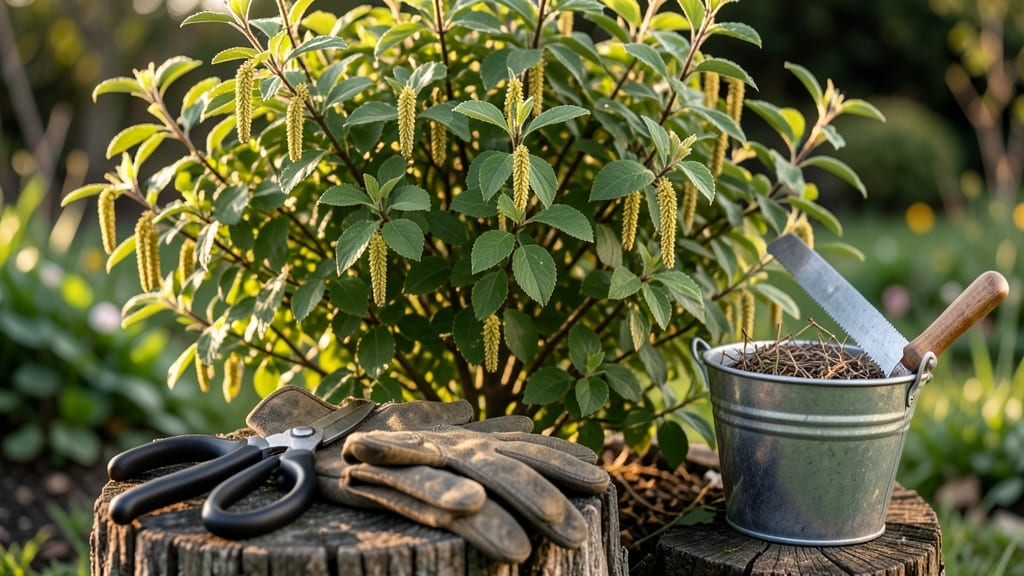
To prune a dappled willow shrub for the best foliage revival, aim for late winter to early spring—just as the buds swell but before the golden leaves emerge.
Timing is everything with this ornamental star 🌿—prune too early, and you risk stunting growth; too late, and you may sacrifice that signature golden hue. I’ve seen shrubs left bare for a season because of a misplaced trim, and it’s a heartbreak to watch.
In Zone 6a, where many gardeners grow dappled willows, the window narrows to February through March. But if you’re in a milder climate, you might shift that to March or even April.
The key is catching it while the plant is still dormant but ready to burst into action.
Below, I’ll walk you through the exact steps to prune without damaging those prized leaves, plus what to do if you’ve already missed the window. Trust me, your shrub will thank you.
Best months to prune dappled willow for maximum foliage revival
Pruning your dappled willow shrub at the wrong time can stifle its signature golden foliage or leave it vulnerable to pests—timing is everything for this stunning ornamental plant.
The best pruning window is when the plant is dormant but just before new growth begins, ensuring vibrant yellow-green leaves return stronger than ever. This timing also minimizes stress and promotes vigorous regrowth for the upcoming season.
For most gardeners, the ideal pruning months fall between late winter and early spring, aligning with the plant's natural growth cycle. However, climate plays a crucial role—cold regions may need to prune earlier, while mild zones can extend the window.
Understanding these seasonal adjustments ensures your dappled willow thrives without sacrificing its iconic foliage.
| Pruning Window | Climate Zone | Key Goals | Avoid If... |
|---|---|---|---|
| Late February–March | Cold (Zones 3-6) | Dormant pruning for shape control | New growth appears |
| March–April | Mild (Zones 7-9) | Early spring revival pruning | Late frosts are forecasted |
| September–October | All Zones | Light shaping after summer growth | Foliage turns fully golden |
In cold climates (Zones 3-6), prune your dappled willow between late February and March while it's still dormant. This timing allows you to reshape the shrub without disrupting the new growth that emerges in early spring.
Cold snaps can delay growth, so pruning too late risks stunting the plant's ability to recover and produce its signature golden foliage.
Gardeners in mild climates (Zones 7-9) have a slightly extended window, from March to April. The key is to prune just before the last frost date in your area, ensuring the plant has time to recover before active growth begins.
This early spring revival pruning helps maintain the shrub's health and encourages lush, vibrant leaves for the season.
While late winter and early spring are the primary pruning windows, a light shaping prune in September or October can also benefit your dappled willow.
This summer cleanup removes any dead or overgrown branches while the foliage is still green, preventing the shrub from looking bare as the leaves transition to their golden hue. Avoid heavy pruning during this time, as it can stress the plant before winter.
If you live in a region with unpredictable late frosts, wait until after the last frost date to prune, even if it means delaying slightly into April.
Cold temperatures can damage new growth, so it's better to prune a little later than risk winter damage or frost injury to fresh cuts. Always check your local frost forecast before pruning to make the best decision for your dappled willow.
For container-grown dappled willows, the same timing rules apply, but be extra cautious with root-bound plants. Pruning can stress roots already confined in pots, so consider repotting or root pruning first if the shrub has outgrown its container.
Always use sterilized pruning tools to prevent disease transmission, especially in small or crowded planting spaces.
After pruning, focus on post-pruning care to ensure your dappled willow recovers quickly. Apply a balanced fertilizer in early spring to support new growth, and keep the soil moist but well-drained.
Mulching around the base helps retain moisture and regulates soil temperature, creating an ideal environment for foliage revival.
Remember, the goal of pruning is to enhance the shrub's natural beauty while maintaining its health. By following these seasonal guidelines and adjusting for your local climate, you'll keep your dappled willow looking its best with vibrant golden leaves year after year. 🌿✂️
How to prune dappled willow without damaging its signature golden foliage
Pruning your dappled willow shrub correctly preserves its stunning golden foliage while encouraging healthy growth. Unlike other shrubs, this variety relies on precise cuts to maintain its iconic yellow-green leaves.
Start by focusing on dormant branches—these are the safest to trim without risking damage to the plant's signature color.
Before grabbing your shears, identify the oldest stems (gray/brown) versus new growth (green). The goal is to remove only what’s necessary—never more than one-third of the shrub in a single session. This approach prevents stress and ensures your dappled willow rebounds with vibrant foliage next season.
⚠️ ⚠️ 3 Pruning Mistakes That Kill Dappled Willow Foliage ⚠️
Use sharp, bypass pruners for clean cuts that heal quickly. Always cut at a 45-degree angle, just above a leaf node or outward-facing bud. This technique promotes upward growth and maintains the shrub’s rounded, bushy form.
Avoid top-heavy cuts—these can cause the willow to lean or become unstable.
Focus on thinning out dense areas first to improve airflow and reduce disease risk. Remove any dead, diseased, or crossing branches next. These steps not only preserve the golden foliage but also encourage the shrub to focus energy on new, vibrant growth rather than struggling with overcrowded stems.
After pruning, apply a balanced fertilizer (10-10-10) to support recovery. Water deeply at the base to help the cuts heal and prevent stress. Avoid fertilizing in late summer or fall, as this can stimulate tender new growth before winter, making the shrub more vulnerable to frost damage.
Monitor your dappled willow over the next few weeks for signs of new leaf emergence. If you see sparse regrowth, repeat the process in early spring with lighter cuts. With patience and precision, your shrub will reward you with lush, golden foliage year after year. ✂️🌿