
Pruning
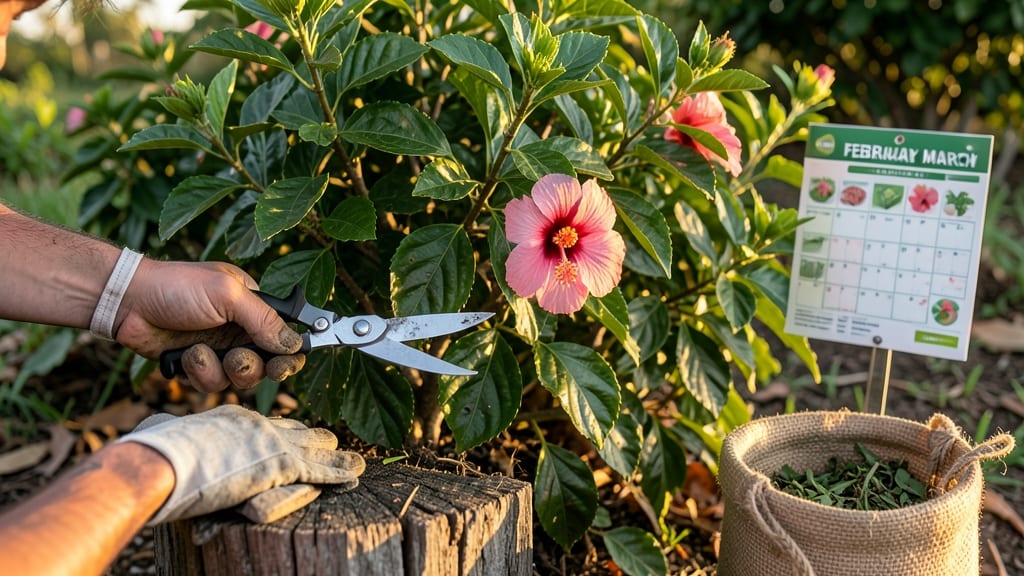
To prune hibiscus in Florida, aim for late winter to early spring when the risk of frost is lowest and new growth is about to begin.
Pruning hibiscus at the wrong time in Florida’s unpredictable climate can mean fewer blooms—and even frost damage to your prized plants. Timing is everything, but most gardeners get it wrong. Here’s the science-backed schedule to maximize flowers while protecting your bushes from Florida’s chilly surprises.
Florida’s warm winters make hibiscus 🌸 thrive year-round, but a late-season cold snap can still sneak in, especially in North Florida’s 9a-11 zones. The key is to prune just before the growing season kicks into high gear, giving your hibiscus time to recover before summer’s intense heat.
In this guide, you’ll learn the exact month-by-month windows for pruning, how to spot when your hibiscus needs a trim, and Florida-specific tips to keep your plants blooming beautifully—without the stress of last-minute frost warnings.
Optimal pruning windows for Florida hibiscus: month-by-month breakdown
Florida’s tropical hibiscus (Hibiscus rosa-sinensis) and hardy hibiscus (Hibiscus moscheutos) thrive when pruned at the right time—just before new growth in spring or after frost risk passes. But Florida’s microclimates (North vs. South) create big differences in timing.
In North Florida (Zone 8a), wait until mid-March when frost danger drops below 28°F. In South Florida (Zone 11), you can prune year-round, but late winter (January) is ideal for heavy cuts.
Your pruning strategy depends on your hibiscus type: Tropical hibiscus needs light pruning every 6-8 weeks to encourage blooms, while hardy hibiscus benefits from heavy pruning in early spring to remove dead wood. Never prune in fall—this stresses plants before winter and invites disease.
Florida’s hurricane season (June-November) also affects timing; post-storm pruning should wait until damage is fully assessed and active storms pass.
In North Florida, where cold snaps can dip to 30°F, timing is critical. Wait until after March 15 to prune heavily—this ensures new growth isn’t nipped by frost. Use a thermometer to monitor nighttime temps; if they drop below 40°F, delay pruning.
For South Florida, where frost is rare, January is prime time for heavy pruning, but avoid cutting into summer’s intense heat (July-August), as this can shock the plant.
Your tools matter just as much as timing. Always use sterilized pruners (rubbing alcohol or bleach solution) to prevent bacterial infections. Make cuts at a <
Signs your hibiscus needs pruning NOW (and what to avoid)
Your hibiscus might be silently begging for attention if you’ve noticed leggy branches stretching toward the sky or yellowing leaves clinging to bare stems. These aren’t just cosmetic issues—they’re clear signals your plant is overgrown, stressed, or even dying back from last year’s neglect.
In Florida’s humid climate, hibiscus grow aggressively, but without proper pruning, they’ll channel energy into woody growth instead of showstopping blooms.
One of the biggest mistakes I see in Florida gardens is waiting until fall frost warnings to prune. By then, your hibiscus has already spent its energy on late-season flowers and is vulnerable to cold damage.
The key is acting early—before January’s cooler nights slow growth. If you’ve ignored these signs for too long, don’t panic: we’ll cover how to revive even the most overgrown specimens later in this guide.
⚠️ callout warning
Never prune hibiscus in late fall (Nov-Dec)—this exposes fresh cuts to unpredictable cold snaps, even in South Florida. Wait until after the last frost date (typically mid-February for North Florida). For tropical hibiscus (Hibiscus rosa-sinensis), prune when night temps stay above 50°F (10°C) consistently.
✅ DO: Prune in late winter (Jan-Feb) for spring blooms
❌ DON’T: Cut back after October 15—risk frost damage!
Start by scanning your hibiscus for dead or diseased branches, which look brown and brittle (not just dormant). These should be removed immediately, as they harbor fungal spores and pests like aphids or whiteflies.
Next, look for crossing branches rubbing against each other—a classic sign of future wounds and reduced airflow. Use sharp bypass pruners to make clean cuts at a 45-degree angle, just above a leaf node or outward-facing bud.
If your hibiscus has more than 30% bare stems or branches thicker than your thumb, it’s time for rejuvenation pruning. This means cutting back 1/3 of the oldest wood to the ground.
Yes, it’ll look brutal at first, but this forces new growth from the base—resulting in a fuller, bushier plant by summer. Pro tip: Never remove more than 1/3 in a single session, or you’ll shock the plant.
Watch for pest damage like chewed leaves or sticky residue (aphids/honeydew). Infested branches should be pruned first, then disposed of in the trash—never compost them. After pruning, sterilize your tools with rubbing alcohol to prevent spreading bacterial blight, a common hibiscus killer in Florida’s humidity.
Your goal is to balance airflow and sunlight penetration while removing anything that weakens the plant.
Finally, check the base of the plant for suckers or water sprouts—these thin, vertical shoots steal energy from your main hibiscus. Snip them at the soil line to redirect nutrients to flower production.
With these signs in mind, you’ll know exactly when your hibiscus is begging for a clean, strategic trim—before it’s too late for another bloom-filled season. 🌸