
How To
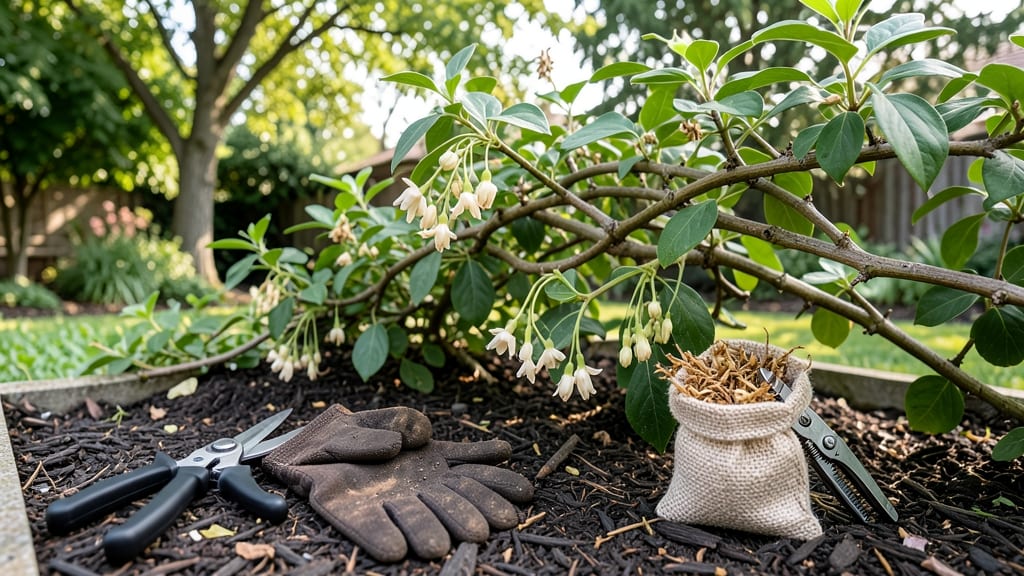
To prune honeysuckle 🌸 at the right time means stronger canes, bigger blooms, and a plant that thrives for years—not just one season.
Pruning honeysuckle at the wrong time can weaken its growth—or even kill it. But timing it perfectly in late winter unlocks the secret to a healthier plant.
Whether you're in a cold climate like USDA Zone 6a or a milder region, the key is knowing when dormancy ends and new growth begins.
Most gardeners wait until late February or early March when the plant is still dormant but before buds swell. This timing ensures you don’t accidentally cut off next year’s flowers or damage tender new shoots.
I’ve made the mistake of pruning too early, and the results? Sparse blooms and leggy canes.
In this guide, I’ll walk you through the exact steps—when to prune, how to shape your honeysuckle for maximum airflow, and the tools you’ll need to do it right. No more guesswork, just stronger growth and more fragrant blooms by summer.
Best late winter pruning timeline for honeysuckle growth
Late winter is the ideal window to prune honeysuckle because the plant is dormant but not yet pushing new growth. This timing helps you shape the plant without stressing it, while also removing dead or weak canes that could hinder next year’s blooms.
The key is acting before buds swell—typically between January and early February—but regional climates can shift this timeline by weeks.
Honeysuckle thrives when pruned during its dormant phase, which varies by USDA hardiness zone. In colder zones (3–5), wait until late February when frost risks have passed, while milder zones (7–9) can prune as early as December.
Always check for bud swell—if you see tiny buds forming, it’s too late for dormant pruning. The goal is to encourage vigorous spring growth while maintaining the plant’s natural shape.
🌿 When to Prune Honeysuckle: Late Winter Checklist
- January (Zones 6–9): Prune after hard freezes pass. Look for brown, dead canes—remove these first.
- Late January–Early February (Zones 3–5): Wait until soil thaws and daytime temps stay above 40°F.
- Mid-February (All Zones): Final deadline before bud swell. Focus on thinning old wood to improve airflow.
- Weather Check: Prune on dry, calm days to prevent fungal spread. Avoid pruning if rain is forecasted.
- Signs You’re Ready: Canes are brown and brittle, no green tissue remains, and buds are still tightly closed.
Your pruning goals in late winter should include 3 key tasks: removing dead or diseased wood, thinning overcrowded canes to improve airflow, and cutting back old growth to encourage younger, more productive stems.
Honeysuckle blooms on new wood, so pruning old canes now won’t sacrifice this year’s flowers. Start by identifying dead canes—they’ll snap easily when dry and won’t bleed sap.
For regional adjustments, gardeners in Pacific Northwest or Southern California can prune as early as December due to mild winters, while Midwest or Northeast gardeners should delay until late February. If you’re unsure, wait until after the last frost but before buds swell.
A simple test: scratch a cane—if green tissue appears, wait a few more weeks. This ensures you’re pruning only dormant wood.
Ideal weather conditions for pruning include dry, sunny days with temperatures between 45°F and 60°F. Avoid pruning after rain or snow, as wet canes are more prone to disease and sap bleeding.
If you must prune after rain, sterilize your tools with rubbing alcohol and work on a bright, breezy day to help wounds dry quickly. Never prune in extreme heat, as this stresses the plant.
One common mistake is pruning too aggressively, which can lead to weak regrowth or even plant death. Honeysuckle can handle up to 1/3 of its canes removed, but avoid cutting more than 20–30% of the plant’s total stems in a single session.
Focus on thinning rather than shearing—this maintains the plant’s natural shape and encourages stronger, more vigorous growth next season.
After pruning, sanitize your tools with a 10% bleach solution or rubbing alcohol to prevent spreading disease. Dispose of diseased canes in the trash, not your compost pile. Once finished, apply a balanced fertilizer (like 10-10-10) around the base to boost spring growth.
Water deeply but avoid overwatering, as soggy soil can lead to root rot. Mulch lightly with 2–3 inches of organic mulch to retain moisture and regulate soil temperature.
Monitor your honeysuckle in early spring for signs of new growth. Healthy canes should sprout within 2–3 weeks of pruning, with bright green leaves and vigorous stems. If growth is slow or sparse, consider lightly fertilizing again in late spring to encourage blooming.
With proper late-winter pruning, your honeysuckle will reward you with abundant flowers and lush foliage all season long.
Remember, consistency is key—prune honeysuckle annually in late winter to maintain its health and shape. Over time, this practice will strengthen the plant’s structure, improve bloom production, and extend its lifespan. Happy pruning! 🌸
Step-by-step late winter pruning techniques for honeysuckle canes
Late winter is the perfect time to prune your honeysuckle canes while they’re still dormant but before new growth begins. This strategic pruning removes dead wood, improves airflow, and shapes the plant for healthier blooms next season.
Start by gathering your tools—a pair of clean, sharp pruners, gloves, and a bucket for clippings—to ensure a smooth process.
Identify dead or diseased canes first—they’ll appear brown, brittle, or hollow when you snap them. These should be cut back to the ground level immediately, as they won’t recover.
Next, look for crossing or rubbing branches, which can create wounds and invite pests. Removing these early prevents future damage and keeps your honeysuckle looking its best.
- 1 Remove dead/diseased canes: Cut back to the base. Look for brown, mushy, or hollow stems—these won’t regrow.
- 2 Thin out crowded branches: Aim for 6-8 strong canes per plant. Space them evenly for better airflow and sunlight penetration.
- 3 Cut back old wood: Prune last year’s growth by 1/3 to 1/2 its length. This encourages new, vigorous growth from the base.
- 4 Shape for sunlight: Trim interior branches to open the plant’s center. This reduces shade competition and promotes even blooming.
- 5 Clean up and sanitize: Dispose of clippings in the trash (not compost) to prevent disease spread. Wipe pruners with rubbing alcohol between cuts.
After pruning, step back to assess your honeysuckle’s new shape. Aim for an open, airy structure that allows sunlight to reach all canes. This isn’t just about aesthetics—optimal sunlight exposure ensures stronger growth and more abundant spring blooms.
If your honeysuckle is climbing a trellis, focus on trimming canes that grow away from the structure to maintain support.
One common mistake is cutting into green stems or buds, which signals the plant to grow when it should still be dormant. Always prune dormant canes (brown or tan) to avoid stress.
If you’re unsure whether a cane is dead, scratch the bark—if it’s green underneath, leave it alone for now.
Finish by applying a light layer of mulch around the base to retain moisture and regulate soil temperature. This helps your honeysuckle recover faster from pruning and prepares it for spring’s active growth.
With these techniques, your honeysuckle will reward you with lush foliage and fragrant blooms all season long.
🌿