
Pruning
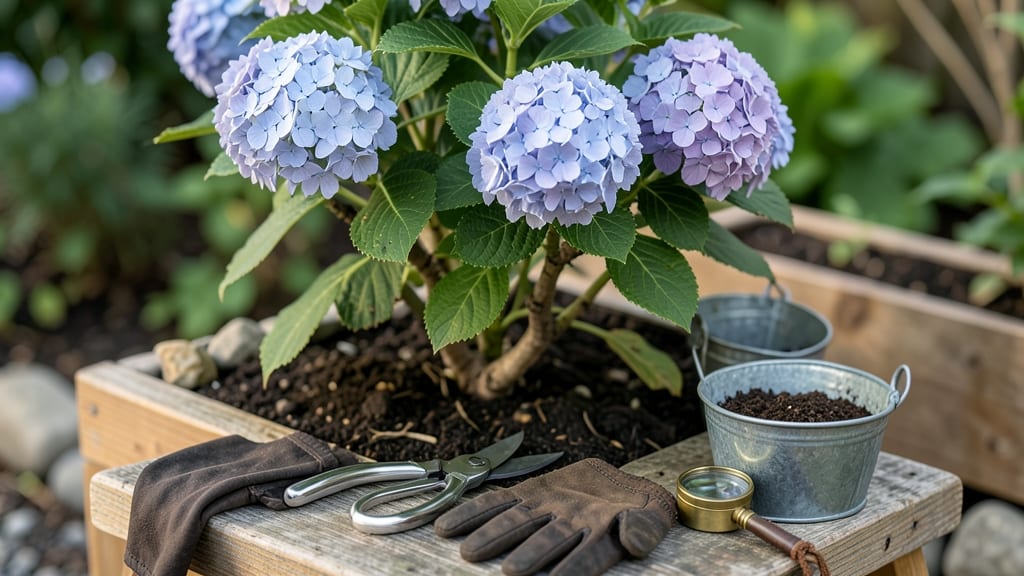
To prune hydrangeas in Virginia at the right time means waiting until late winter—after the worst frost has passed but before new growth starts.
Get it wrong, and you risk cutting off next year’s blooms or inviting disease into your 🌸 shrubs. Virginia’s mild winters can be tricky, but the key is pruning just as buds begin to swell, usually between mid-February and early March depending on your zone.
Why does timing matter so much? Hydrangeas store energy in their old wood, and pruning too early removes those buds before they’ve had a chance to bloom. The right approach ensures your plants put their energy into strong stems and vibrant flowers for the coming season.
In this guide, I’ll break down the exact timing for Virginia’s climate, which hydrangea types need special attention, and how to avoid the most common pruning mistakes—so you can enjoy fuller, healthier shrubs all summer long.
Best late winter pruning timeline for Virginia hydrangeas
Virginia’s mild winters and humid summers create the perfect conditions for hydrangeas—but pruning at the wrong time can ruin your blooms. Late winter is your golden window to shape your shrubs while they’re dormant, but timing matters.
In USDA Zones 6a-8a, late winter runs from mid-February to early March, but your exact date depends on your local frost risk and hydrangea type.
Not all hydrangeas bloom the same way, so pruning old wood (like mopheads) differs from new growth types (like panicles).
For example, Bigleaf hydrangeas (H. macrophylla) need pruning in late winter/early spring to avoid cutting off next year’s flowers, while panicle hydrangeas (H. paniculata) can handle a harder prune in early spring. Oakleaf hydrangeas fall somewhere in between, requiring light pruning in late winter to maintain shape.
Here’s the key: Wait until after the last frost (usually mid-March in Virginia) but before new buds swell (around late March). If you prune too early, frost can damage tender new growth.
If you wait too long, you risk cutting off flower buds that form on old wood.
| Hydrangea Type | Best Pruning Time | What to Prune | Virginia Zone Adjustments |
|---|---|---|---|
| Bigleaf (Mophead) | Late February–Early March | Dead/diseased wood + 1/3 of oldest stems | Zone 6a: Wait until after March 1; Zone 8a: Can prune as early as late February. |
| Panicle (e.g., 'Limelight') | Early March–Mid-April | Up to 1/3 of oldest stems (blooms on new wood) | Zone 7a+: Can prune earlier if no frost risk. |
| Oakleaf | Late February–Early March | Light shaping + dead wood removal | Zone 6a: Wait for consistent temps above 35°F. |
| Smooth (e.g., 'Annabelle') | Early March–Late March | Up to 1/2 of oldest stems (new wood bloomer) | Zone 8a: Prune by March 15 to avoid heat stress. |
If you’re in northern Virginia (Zone 6a-7a), aim for late February to early March—just as daffodils bloom is a good rule of thumb. In southern Virginia (Zone 7b-8a), you can start as early as mid-February, but avoid pruning if frost is forecasted.
Check the National Weather Service for your local frost dates to adjust your timeline.
For mophead hydrangeas, focus on removing 1/3 of the oldest stems at the base. These stems produced last year’s flowers and won’t bloom again. Use clean, sharp pruners to make 45-degree cuts just above a bud or lateral branch. This encourages new growth and fuller blooms next season.
Panicle hydrangeas are more forgiving—you can prune up to 1/3 of the plant in early spring without worrying about flower buds. These varieties (like 'Limelight' or 'Little Lime') bloom on new wood, so aggressive pruning actually boosts next year’s flowers.
Just avoid cutting into healthy green stems unless they’re weak or crossing.
One critical mistake Virginia gardeners make is pruning too late. If you wait until April or May, you risk cutting off flower buds that form on old wood in late winter. Always prune before buds swell—they’ll look like tiny green nubs along the stems.
After pruning, mulch around the base with 2-3 inches of organic mulch to retain moisture and protect roots. Water deeply once to help the plant recover. Avoid fertilizing until after new growth appears in late spring, as winter-pruned hydrangeas need time to establish roots before feeding.
Pro tip: Take a before-and-after photo of your hydrangeas after pruning. Comparing the open structure of a well-pruned shrub to a dense, unpruned mess makes future pruning decisions easier. With the right timing, your Virginia hydrangeas will reward you with lush blooms from summer through fall.
Step-by-step late winter pruning guide for Virginia gardeners
Late winter is the perfect time to prune your hydrangeas in Virginia, but knowing exactly when and how to do it makes all the difference. This is when your plants are dormant, making it easier to see dead branches and shape them for next year’s blooms.
If you wait too long, you risk encouraging new growth that could be damaged by early spring frosts.
Before you start, gather your pruning tools—clean, sharp bypass pruners for thick branches and hand pruners for smaller stems. You’ll also need disinfectant to prevent spreading disease between cuts.
Virginia’s mild winters mean you have a slightly longer window than colder climates, but timing is still critical for healthy hydrangea growth.
-
Step 1: Wait for Dormancy
Prune after last frost date (typically mid-March in Virginia) but before bud break. Look for brown, dead branches that stand out against green stems. -
Step 2: Identify Dead Wood
Scratch a small section of bark—if it’s dry and dark, it’s dead. Remove these branches first to improve airflow and reduce disease risk. -
Step 3: Prune by Type
Bigleaf hydrangeas (e.g., 'Endless Summer'): Cut back 1/3 of oldest stems to encourage new blooms.
Panicle hydrangeas (e.g., 'Limelight'): Prune back to 3-5 buds from the base.
Oakleaf hydrangeas: Thin out 30% of oldest stems to maintain shape. -
Step 4: Shape the Shrub
Remove crossing or rubbing branches to prevent damage. Aim for an open center to improve sunlight penetration and air circulation. -
Step 5: Clean Up
Sterilize tools with rubbing alcohol between cuts. Collect and dispose of pruned material to prevent pests or diseases from overwintering. -
Step 6: Post-Pruning Care
Apply a 2-inch layer of mulch around the base to retain moisture. Water deeply if winter was exceptionally dry, but avoid overwatering.
After pruning, monitor your hydrangeas for new growth signs in early spring. If you see tender shoots emerging too early, cover them with light frost cloth to protect against late frosts. Fertilize lightly in early April with a balanced 10-10-10 formula to support new growth.
Remember, hydrangeas bloom on old wood (like bigleaf types) or new wood (like panicle types), so pruning too aggressively can reduce next year’s flowers. For Virginia gardeners, late winter is your best bet to revitalize your shrubs without risking frost damage.
With the right tools and techniques, your hydrangeas will thank you with lush foliage and abundant blooms all season long. Happy pruning! 🌸✂️🌿