
Pruning
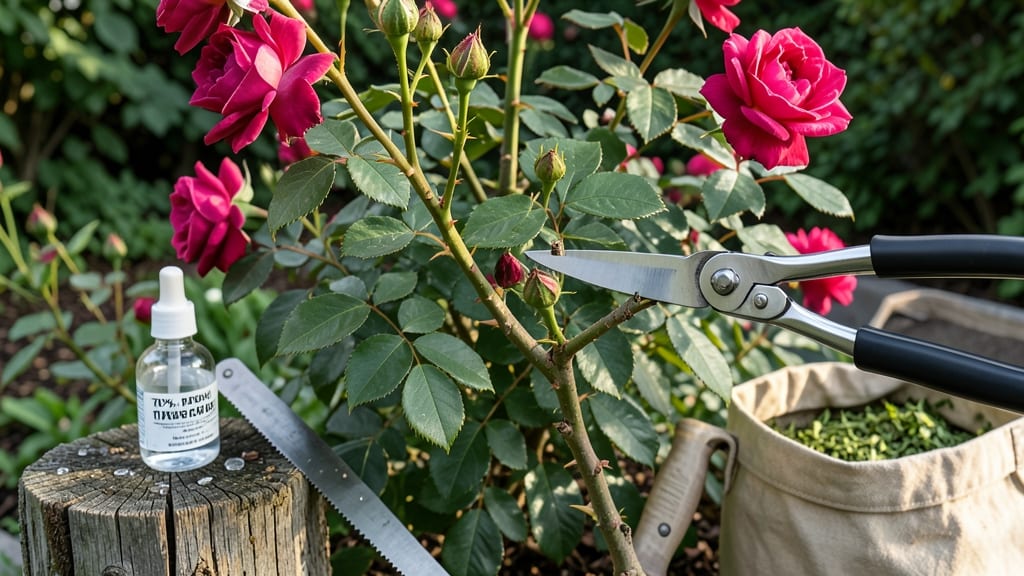
To prune roses in Georgia, time it for late winter to early spring (February-March) right before new growth appears. Hybrid teas and floribundas also need a second light trim in summer after blooming to promote more flowers.
Georgia's mild winters and hot summers create a unique pruning window that avoids both frost damage and summer stress. 🌸 The key is cutting just as buds begin to swell—this jumpstarts vigorous growth while preventing winter-killed canes from spreading disease.
For early bloomers like Knock Out roses, you might delay pruning until late March to avoid encouraging tender growth that could suffer from unexpected cold snaps.
What most gardeners miss is that climates vary even within Georgia—coastal areas stay warmer longer, while northern regions near the mountains may need to prune a week or two later.
Always check your specific zone (6-8 in Georgia) and watch for the first signs of bud break, which is your true cue to start.
💡 In This Article
- Georgia’s Climate and Its Impact on Rose Pruning Timing
- Step-by-Step Rose Pruning Guide for Georgia Gardens
Georgia’s climate and its impact on rose pruning timing
Georgia’s mild winters—typically ranging from 25°F to 45°F—create a perfect window for late winter pruning. The goal is to cut just as rose canes begin to swell with new growth, usually in February or early March.
This timing avoids two critical risks: pruning too early when canes might still be dormant and vulnerable to frost damage, or waiting too late when tender new shoots emerge and could be harmed by unexpected cold snaps.
The state’s USDA Hardiness Zones 6-8 mean roses don’t experience the harsh freezes of northern climates, allowing for more flexibility in scheduling.
Here’s how Georgia’s climate affects different rose types: Early bloomers like Knock Out roses should be pruned 1-2 weeks later (late March) to prevent early growth from being nipped by late frosts. Meanwhile, late-season varieties like Earth-Kind roses can handle earlier pruning since they naturally bloom later.
Coastal areas near Savannah benefit from warmer microclimates, potentially starting pruning 2-3 weeks earlier than inland regions. The key is watching for bud swell—when buds appear plump and ready to burst—rather than relying solely on calendar dates. 🌿
The summer pruning window (June-July) exists specifically for repeat-blooming varieties like hybrid teas and floribundas. After their first flush of flowers fades, giving them a light trim (removing only spent blooms and weak stems) encourages a second round of blooms.
This works because Georgia’s hot summers provide consistent sunlight and warmth, which these roses need to recover quickly. However, avoid heavy summer pruning—it stresses plants during peak heat and can invite pests like Japanese beetles, which thrive in Georgia’s humid climate.
One common mistake is pruning roses after a hard frost, even if buds are swelling. Frozen canes appear blackened or mushy—these should be cut back to healthy wood immediately.
The rule of thumb is to make cuts just above an outward-facing bud (about ¼ inch above) at a 45-degree angle. This angle prevents water from pooling on the cut, reducing disease risk.
Georgia’s high humidity means clean cuts are non-negotiable for preventing fungal infections like black spot, which can devastate roses if left unchecked. 🌸
For gardeners in northern Georgia (Zone 7), where nights can still dip below 28°F, delay pruning until after the last average frost date (usually mid-March). In southern Georgia (Zone 8), you can start as early as late January if the weather cooperates.
The difference comes down to chill hours—roses need 500-1,000 hours below 45°F to break dormancy properly. Georgia’s climate often provides these chill hours, but coastal areas may fall short, leading to weaker blooms if pruned too early.
Pro tip: Mark your calendar for February 15th as a general starting point, but always confirm with your local Cooperative Extension Service. They track microclimate variations that can shift pruning windows by 2-3 weeks depending on your exact location.
For example, Athens might align with the state average, while Blairsville could need a later approach. Paying attention to these nuances ensures your roses enter their growing season strong and healthy. ✨