
Pruning
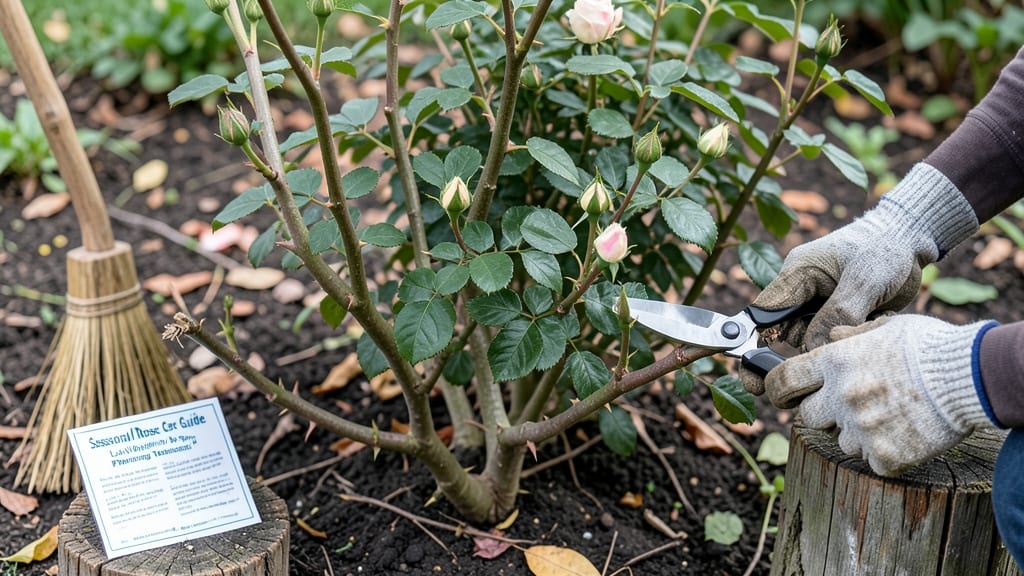
Pruning roses in Virginia at the right time is the key to stronger blooms and healthier plants 🌹 — and getting it wrong can leave your garden looking ragged or even invite disease.
If you’ve ever watched your beautiful roses struggle to recover after a late-winter trim or seen buds fail to open because you pruned too early, you know timing is everything.
Virginia’s USDA Zones 6b through 8a mean frost dates shift from coastal mildness to inland chill, so a one-size-fits-all approach won’t cut it.
In this guide, I’ll break down the exact months to prune based on your local microclimate, whether you’re dealing with hybrid teas, climbers, or shrub roses. You’ll also learn how to spot the perfect signs your roses are ready—and when to hold off.
By the end, you’ll prune like a pro, ensuring your roses burst into bloom earlier and more abundantly than ever before.
Virginia rose pruning schedule by USDA Zone (6b-8a)
Timing your rose pruning in Virginia depends on USDA Zone, microclimates, and whether you're growing hybrid teas, climbers, or shrub roses. In Zones 6b-8a, the schedule shifts slightly between coastal areas (like Norfolk) and inland regions (like Charlottesville).
The key is pruning when roses are dormant but before new growth starts—typically late February to early April.
Virginia's last frost dates range from March 15 in inland areas to April 1 near the coast. This means gardeners in Zone 8a (like Richmond) can start pruning 2-3 weeks earlier than those in Zone 6b (like Roanoke).
Always wait until daytime temps stay above 40°F to avoid damaging tender canes.
For repeat-blooming varieties (like Knock Out roses), you'll also need post-bloom deadheading throughout the growing season. This keeps your roses flowering continuously until the first frost. Let's break down the month-by-month schedule tailored to Virginia's climate zones.