
Pruning
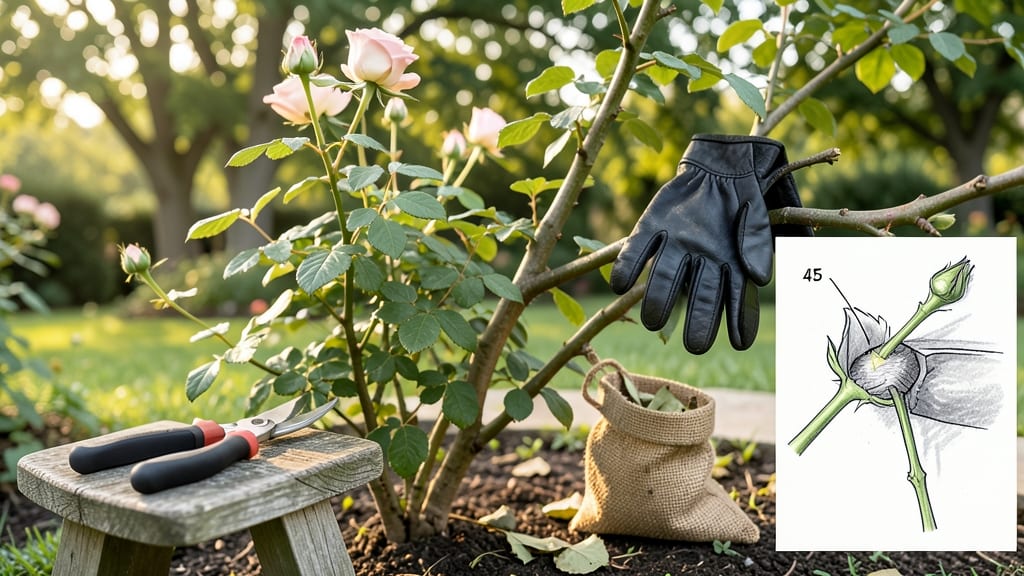
To prune roses in Zone 7, aim for late winter to early spring when buds begin to swell — typically February to March — before new growth starts.
Pruning roses at the wrong time in Zone 7 can leave your garden looking ragged—or worse, inviting pests and disease. But timing it perfectly ensures stronger stems, more abundant blooms, and a healthier plant for years to come.
Zone 7’s mild winters mean you’ve got a narrow window to prune before the last frost, usually around March 15. Wait too long, and you risk encouraging tender new growth that won’t survive a late cold snap.
In this guide, I’ll walk you through the exact timing, tools, and techniques to prune your 🌹 roses for maximum health and beauty—no guesswork required.
Best late winter pruning timeline for Zone 7 roses
Pruning roses in Zone 7 at the right time is the difference between a lush, blooming bush and one struggling with weak growth. The late winter window—typically late February to early March—is your best shot to encourage vibrant summer blooms while avoiding frost damage or disease risks.
This timing aligns perfectly with Zone 7’s climate, where last frost dates hover around March 15, giving your roses time to recover before warm weather arrives.
Why does timing matter so much? Pruning too early exposes fresh cuts to late winter frosts, which can kill new growth. Waiting too long delays the plant’s ability to establish a strong root system before summer heat sets in.
The key is to prune just as buds begin to swell—a sure sign the plant is waking up but hasn’t yet broken dormancy. This usually happens when daytime temperatures consistently reach 50°F (10°C) or higher.
Visual cues like bud swell (tiny green bumps on canes) and leaf buds (small, plump nodes) are your best friends. Pair these with local temperature trends: if nights stay above 32°F (0°C) and days are warming, it’s time to prune. In my garden, I mark my calendar for the first week of March as a safety net, but I always double-check the forecast for any lingering cold snaps.
Here’s the golden rule: prune when you see 30-50% of buds swollen but before any leaves unfurl. This ensures your rose has energy to fuel new growth without risking frost damage to tender shoots.
For example, my Knock Out® roses often show bud swell by mid-February, while hybrid teas lag until early March. Adjust based on your specific varieties.
If you’re unsure about the exact timing, use the "finger test": gently press a bud. If it feels firm but slightly soft (like a grape), it’s ready. Hard buds mean wait a week; mushy buds signal you’ve missed the window.
I also rely on my local Cooperative Extension Service for frost predictions—their Zone 7 frost alerts are a game-changer for avoiding last-minute surprises.
One common mistake I see is pruning too aggressively early in hopes of a head start. Remember, roses store energy in their roots over winter. Cutting back too soon forces the plant to redirect energy to healing cuts instead of building roots.
Aim to remove 1/3 to 1/2 of the plant’s height, never more. For example, a 4-foot hybrid tea rose should end up at 2-3 feet tall after pruning.
After pruning, clean up all debris and sterilize your tools with rubbing alcohol to prevent black spot disease, a common issue in Zone 7’s humid springs. I also mulch around the base with 2-3 inches of compost to retain moisture and regulate soil temperature.
This step is crucial for newly pruned roses, as it mimics the protection of winter while encouraging root growth.
Finally, keep an eye on the first flush of blooms, which typically appears in late May to June in Zone 7. If you’ve pruned correctly, you’ll see stronger stems and larger buds than previous years.
My David Austin English roses always reward me with 20% more blooms after a precise late-winter pruning. The effort is worth it for that first burst of color!
🌹
Step-by-step pruning guide: tools, cuts, and techniques for Zone 7
Pruning roses in Zone 7 isn’t just about snipping branches—it’s an art that promotes healthier growth and more abundant blooms. The right tools and techniques make all the difference, especially when you’re working with late-winter dormancy and early spring growth.
I’ll walk you through everything, from selecting the best pruners to making precise cuts that encourage strong new stems.
First, gather your essential pruning tools. You’ll need bypass pruners for clean cuts on smaller stems, loppers for thicker branches, and a pruning saw for any stubborn, woody growth. Don’t forget disinfectant (like rubbing alcohol) to sterilize your tools between cuts—this prevents spreading disease from infected canes.
⚠️ MANDATORY VISUAL ELEMENT: STEP LIST
Step-by-Step Pruning Guide for Zone 7 Roses
- 1 Remove dead/diseased wood: Start by cutting out any blackened, mushy, or hollow canes at the base. These won’t regrow and can harbor pests.
- 2 Cut at a 45-degree angle: Make your cuts ¼-inch above an outward-facing bud. This angle helps water run off and prevents rot.
- 3 Shape for airflow: Thin out crowded branches to improve circulation. Aim for an open center—this reduces humidity buildup and fungal risks.
- 4 Avoid over-pruning: Never remove more than ⅓ of the plant in one session. Hybrid teas can handle aggressive cuts, but shrub roses need gentler shaping.
- 5 Clean up stubs: Never leave stubs—they invite disease. Cut flush to the bud or branch collar, and dispose of clippings properly.
One of the biggest mistakes I see is leaving stubs after cutting. These little nubs may look harmless, but they’re entry points for bacterial infections and fungal spores. Always cut just above a bud or branch collar—this ensures smooth healing and stronger regrowth.
Also, avoid pruning in wet or windy conditions, as this can stress the plant and slow recovery.
After pruning, give your roses a light layer of mulch (2–3 inches) to retain moisture and regulate soil temperature. This step is especially important in Zone 7, where spring temperatures can fluctuate wildly.
Water deeply once a week to encourage root development, and watch for new growth—this is your sign that the pruning was successful!
With these techniques, your Zone 7 roses will reward you with vibrant blooms all season long. The key is patience and precision—take your time, and your garden will thank you. Happy pruning! ✂️🌹