
How To
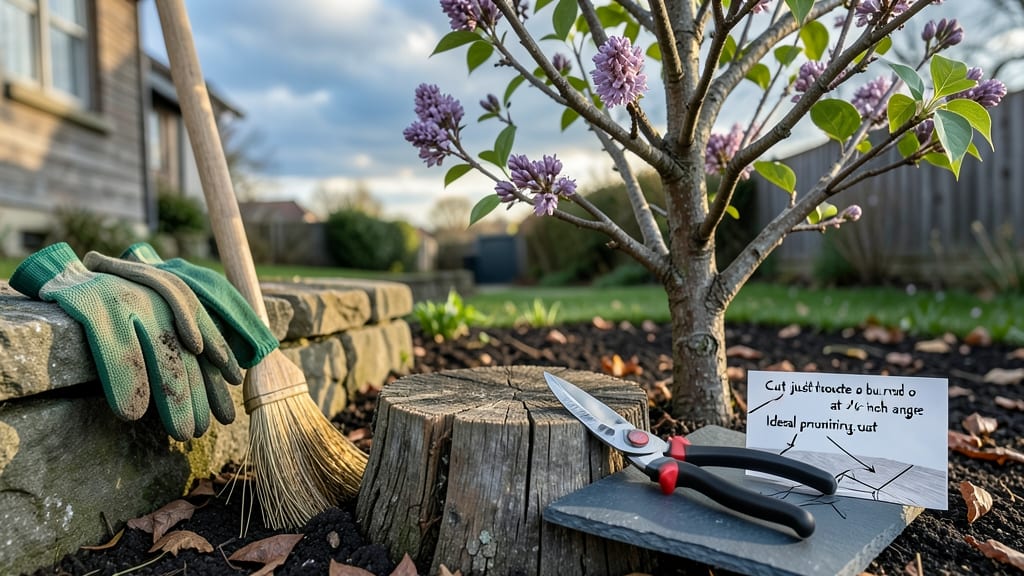
To prune syringa for the best fragrance and blooms, aim for late winter or early spring before new growth starts—this is the key to keeping your 🌸 bushes thriving.
If your syringa bushes aren’t bursting with fragrance like they used to, the timing of your pruning might be the culprit. Pruning at the wrong time can stunt blooms or even harm your plant—so when exactly should you prune syringa for maximum fragrance and health?
Most gardeners wait until after the last frost but before buds swell, which aligns with the plant’s natural cycle. In Zone 6a, that’s typically February or March, though warmer regions may shift slightly later.
In this guide, I’ll walk you through when to prune for shaping, rejuvenation, or flowering, plus the common mistakes that rob your lilacs of their signature scent.
The best time to prune syringa for optimal flowering
Your syringa bushes deserve the best care to keep their fragrance and blooms thriving. The perfect pruning window is late winter, just as dormancy ends but before new growth begins.
This timing ensures your plant focuses energy on vibrant flowers, not recovering from stress. For most regions, February to March is ideal, but climate plays a huge role.
Pruning at the wrong time can weaken your syringa or even reduce next year’s blooms. For example, cutting back too late in spring removes flower buds that formed the previous summer.
Meanwhile, pruning in fall can stimulate tender growth that won’t survive winter. Let’s break down the best practices for timing and why they matter.
Late winter pruning aligns perfectly with your syringa’s natural cycle. When you prune in February or March, you’re removing last year’s growth while leaving dormant buds intact. These buds will burst into life with new shoots and flower clusters by spring.
The key is to prune just as the plant wakes up but before active growth begins—usually when daytime temps hover around 40°F (4°C).
If you live in a warmer climate (USDA Zones 9-10), adjust your timing slightly. Prune in January to early February to avoid the heat of late winter. In colder regions (Zones 3-4), wait until late March to ensure frost won’t damage fresh cuts.
Always check for bud swell—this is your cue that it’s time to prune.
Pruning at the right time also boosts fragrance intensity. When you remove old, woody stems in late winter, you’re making room for healthier, more vigorous growth. This leads to denser blooms and a stronger scent because the plant isn’t dividing energy between weak stems and flowers.
Think of it like giving your syringa a fresh start every year.
One common mistake is pruning too late in spring, which can reduce next year’s blooms. Syringa flower buds form on old wood during the previous summer and fall.
If you prune after these buds set (usually in late spring or early summer), you’ll be cutting off potential blooms. Always prune before buds swell to avoid this.
For rejuvenation pruning (if your syringa is overgrown or leggy), late winter is still the best time. You can cut back up to one-third of the oldest stems to encourage new, younger growth.
Just be sure to sterilize your tools to prevent spreading disease between cuts. A quick wipe with rubbing alcohol keeps your pruners clean and safe.
Regional climate adjustments are crucial. In Southern states, where winters are mild, prune in January to avoid the heat stress of early spring. In the Northeast or Midwest, wait until late March when the ground thaws but before leaf buds open.
Pay attention to your local frost dates—pruning too early can leave fresh cuts vulnerable to cold snaps.
Finally, always prune on a dry, sunny day to reduce stress on the plant. Avoid pruning after a heavy rain or during extreme heat, as these conditions can slow wound healing. With the right timing, your syringa will reward you with lush foliage and intoxicating fragrance
Step-by-step late winter pruning guide for syringa bushes
Late winter is the perfect time to prune your syringa bushes because the plant is dormant but ready to burst into new growth. This timing ensures you remove dead or weak wood while encouraging vibrant blooms for next spring.
The key is acting before buds swell—typically in February or March, depending on your climate zone.
Before you begin, gather your tools: sharp bypass pruners for clean cuts, loppers for thicker branches, and gloves to protect your hands. Disinfect your tools with rubbing alcohol to prevent spreading disease between cuts. Safety first! Always prune on a dry, sunny day to reduce stress on the plant.
When to Prune Syringa: Late Winter Timeline
- Step 1: Choose the Right Window – Prune after the last frost but before buds swell (typically late February to early March in most U.S. zones).
- Step 2: Inspect for Dead Wood – Remove any brown or brittle branches first, as these won’t regrow. Cut back to the base of the plant or to a healthy bud.
- Step 3: Thin Out Crowded Branches – Aim for an open center to improve airflow and sunlight. Remove branches growing inward or crossing others at the branch collar.
- Step 4: Shape for Balance – Prune to maintain the natural shape of the bush. Avoid cutting into old wood (wood older than 3 years), as syringa blooms on new growth.
- Step 5: Clean Up – Rake up and dispose of pruned branches to prevent disease. Apply a layer of mulch around the base to retain moisture and protect roots.
When pruning, always cut at a 45-degree angle, just above a bud or branch collar. This encourages faster healing and reduces the risk of disease. Avoid cutting into old wood, as syringa blooms on new growth from the current year’s branches.
If you accidentally cut into old wood, the plant may skip flowering that season.
One common mistake is over-pruning, which can stress the plant and reduce next year’s blooms. Never remove more than one-third of the plant’s foliage in a single session.
For older bushes, you can rejuvenate them by pruning back older stems to the ground every few years to encourage fresh growth.
After pruning, your syringa will need extra care to recover. Water deeply to help the plant establish new roots, and apply a balanced fertilizer (like 10-10-10) in early spring to support new growth.
Keep an eye out for pests or disease, especially if you notice unusual spots or wilting leaves.
With the right timing and technique, your syringa will reward you with abundant, fragrant blooms next spring. The key is patience—late winter pruning sets the stage for a show-stopping display of color and scent. Happy pruning! 🌸✂️