
Pruning
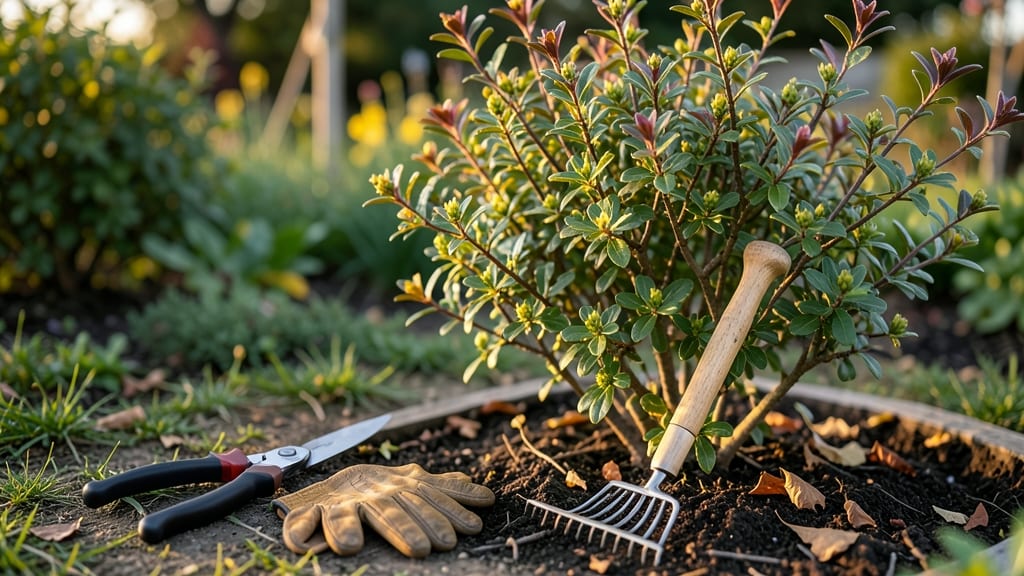
Barberry plant pruning transforms your thorny shrubs into tidy, thriving hedges—when done right. 🌿 I learned the hard way that aggressive cuts in the wrong season can leave barberries looking sad, so I perfected a year-round approach that keeps them lush and productive. The key is timing: prune lightly in late winter (before buds swell) to shape, then do heavier cleanup in early spring. For varieties like Berberis thunbergii, you'll encourage dense foliage and vibrant fall color, while Berberis vulgaris benefits from pruning to control spread. Always use sharp bypass pruners to avoid tearing stems. You'll see fresh green growth within weeks, with fewer thorns and more flowers or berries depending on the variety. The plants stay compact, healthy, and easier to maintain—no more tangled messes or bare spots. Works for both formal hedges and natural landscapes. Here's the step-by-step method that actually works!
📚 In This Guide
- What you need
- Instructions
- Tips and common mistakes
- Wrapping up and next steps
What you need
- ● Pruning shears: Bypass shears (for clean cuts) or anvil shears (for thicker stems). Choose sharp, high-quality shears (e.g., Felco or Fiskars) to avoid crushing stems.
- ● Loppers: 1 pair (8–12 inches) for thicker branches (½ inch or larger). Opt for ratcheting or bypass loppers for precision.
- ● Pruning saw: 1 handheld saw (e.g., Fiskars X27) for stubborn, woody stems over 1 inch in diameter.
- ● Gloves: 2 pairs—thick gardening gloves (for thorns) and cut-resistant gloves (e.g., Mechanix Wear) for extra protection.
- ● Disinfectant: Rubbing alcohol (70%+) or hydrogen peroxide (3%) to sterilize tools between cuts (prevents disease spread).
- ● Sharpener: A file or sharpening stone to keep blades razor-sharp mid-pruning.
- ● Trash bags: 2–3 heavy-duty bags (13-gallon size) for debris cleanup.
- ● Hand pruners: 1 pair for delicate trimming (e.g., Gonicc ergonomic shears).
- ● Extension pole: 1 adjustable pole saw (for high branches, 3–6 feet tall).
- ● Pruning sealant: 1 small bottle (e.g., Tanglefoot Tree Wound Pruning Sealer) for large cuts to prevent disease.
- ● Marking spray: 1 can (e.g., white latex paint) to tag cuts for future reference.
- ● Knee pads: 1 pair if you’ll be kneeling for extended periods.
- ● Weather check: Prune on a dry, overcast day (avoid midday sun to reduce stress on the plant).
- ● Timing: Know your barberry’s growth cycle—spring (late March–April) for shaping, summer (June–July) for deadheading, and late fall (November) for cleanup.
- ● Safety first: Wear long sleeves/pants and closed-toe shoes to avoid thorn pricks.
- ● Hydration: A water bottle—pruning can be sweaty work!
Instructions for pruning barberry plants
Here’s how to tame those thorns and shape your barberry into a lush, manageable hedge—without sacrificing its natural beauty.
✂️ Step 1: Time Your Pruning for Best Results
Prune barberries in early spring before new growth begins, or in late winter when the plant is still dormant. This timing prevents stressing the plant and encourages strong, healthy regrowth. Avoid pruning in fall, as it can leave the plant vulnerable to winter damage.
If you notice leggy growth or overgrowth during the growing season, you can do a light trim to maintain shape—but save major pruning for spring. Watch for new buds forming along the stems; these are your signal that it’s safe to start shaping.
✂️ Step 2: Remove Dead, Diseased, or Weak Branches First
Start by cutting out any dead, diseased, or crossing branches—these are the first to go. Use clean, sharp pruners to make precise cuts just above a healthy bud or lateral branch. This keeps the plant healthy and prevents the spread of disease.
Barberries can develop thorny growth where branches rub together, so remove any branches that cross or rub against each other. You’ll notice these as thin, weak stems with fewer leaves—these are the ones to prioritize.
✂️ Step 3: Thin Out Overcrowded Areas
Barberries thrive when they have good airflow, so thin out any dense areas by removing 1/3 of the oldest stems at the base. This encourages new growth and keeps the plant from becoming too woody. Look for stems that are thinner, older, or less vigorous—these are the ones to cut back.
For a formal hedge shape, trim the outer edges to create clean lines. Use a hand pruner or hedge shears to make even cuts, and step back occasionally to check your progress. The goal is a balanced, open canopy that lets sunlight reach the center.
✂️ Step 4: Shape the Canopy for a Thorn-Free Look
To reduce thorns and encourage a fuller, softer growth habit, focus on selective pruning of the most aggressive thorny stems. Cut back these stems by 1/3 to 1/2 of their length, just above a leaf bud. This stimulates bushier growth and reduces sharpness.
For a more natural look, avoid shearing the entire plant at once. Instead, prune gradually over a few sessions, shaping as you go. You’ll see the plant fill in more evenly, with fewer thorns and a denser, more manageable form.
✂️ Step 5: Clean Up and Maintain Year-Round
After pruning, remove all clippings from the area to prevent disease. Sterilize your pruners with rubbing alcohol between cuts if you’re working with diseased branches. This keeps your barberry—and your garden—healthy.
Throughout the year, do a quick spot-check every few weeks to remove any new thorny growth or straggly branches. A little maintenance now means a well-behaved, beautiful barberry all season long.
Tips & tricks for pruning barberry plants
Here’s what nobody tells you about pruning barberries that’ll make all the difference in your plant’s health and appearance.
Timing is Everything: Those early spring or late winter windows are non-negotiable for major pruning. I learned this the hard way after pruning in fall—my barberry struggled through winter and took months to recover. If you must prune outside these times, keep it minimal and focus only on removing dead or diseased branches. The plant’s energy needs to be focused on growth, not recovery.
The Right Tools Make All the Difference: Don’t skimp on pruners—sharp, clean tools are essential. I’ve used dull shears that crushed stems, creating jagged cuts that invited disease. For thick branches, use loppers with a bypass blade (the scissor-like action gives cleaner cuts). Always sterilize your tools between cuts, especially if you’re working with diseased branches. A quick wipe with rubbing alcohol between plants prevents cross-contamination.
Visual Cues for Pruning Success: When shaping in Step 3, step back every few minutes to check your progress. You’re aiming for a balanced silhouette where sunlight can reach the center. Look for areas where branches are too dense—these are your targets for thinning. For formal hedges, use a string line as a guide to keep edges perfectly straight. This simple trick ensures professional-looking results without guesswork.
Gradual Shaping Wins the Game: That gradual pruning approach in Step 4 is key for reducing thorns over time. I see people try to shear their entire barberry at once, only to end up with a dense, thorny mess. Instead, tackle one section at a time over several weeks. Focus on the most aggressive thorny stems first, cutting back by one-third to one-half. The plant will respond with bushier, softer growth that’s far more manageable.
Pro Tips for Barberry Plant Pruning
- Here’s what nobody tells you about pruning barberries that’ll make all the difference in your plant’s health and appearance.
- Timing is Everything: Those early spring or late winter windows are non-negotiable for major pruning.
- The Right Tools Make All the Difference: Don’t skimp on pruners—sharp, clean tools are essential.
Frequently asked questions
Got questions about keeping your barberry plants lush and thorn-free? You’re not alone! Here are answers to the most common pruning queries to help you master the art of shaping your barberry bushes with confidence.
When is the best time to prune barberry plants?
The ideal time to prune barberry is late winter or early spring (just before new growth begins). This timing promotes healthy regrowth while avoiding late-season pruning, which can stimulate tender shoots vulnerable to frost. For shaping or light maintenance, you can also prune in summer after flowering—just avoid heavy cuts then.
How much can I trim back my barberry bush?
Barberry is resilient! You can safely remove up to one-third of the plant’s height in a single pruning session. For older bushes, gradual pruning over 2–3 years works best. Avoid over-pruning—barberry responds well to light, regular cuts rather than drastic reductions. Pro tip: Always cut just above a leaf bud or lateral branch for cleaner regrowth.
Why does my barberry have so many thorns? Can pruning reduce them?
Thorns are a natural defense mechanism, but proper pruning can help manage them. Focus on removing overcrowded or inward-growing branches—these often produce more thorns. Pruning also improves airflow, reducing stress that can trigger thornier growth. For extra control, opt for thornless cultivars like ‘Rose Glow’ or ‘Helmond Pillar.’
What should I do if I prune too much by accident?
Don’t panic! Barberry is forgiving, but act fast to minimize shock. Water deeply and apply a balanced fertilizer (like 10-10-10) to support recovery. Avoid pruning again for at least a month. If the bush looks stressed, trim back only the most damaged branches in the next growing season. Pro tip: Mulch around the base to retain moisture and reduce stress.
Can I prune barberry in fall? What are the risks?
Pruning barberry in fall is risky because new growth may not harden off before winter, leaving it vulnerable to frost damage. If you must prune, do so early fall (September) and avoid heavy cuts. Focus on removing dead or diseased branches instead. Always clean tools with rubbing alcohol to prevent spreading fungal issues.
How do I tell the difference between barberry branches to prune and those to keep?
Use this quick guide:
- Keep: Healthy branches with green leaves, strong stems, and outward growth.
- Prune: Branches that are dead (no leaves), crossing (rubbing against others), or growing inward.
- Lighten up: Trim back overly dense areas to improve sunlight penetration.
Wrapping up and next steps
Mastering the art of barberry plant pruning transforms your garden into a thriving, thorn-free haven! 🌿 By following seasonal techniques—whether it’s spring shaping, summer thinning, or winter cleanup—you’ll encourage lush growth, vibrant blooms, and a well-manicured appearance.
Remember, consistency is key, but don’t hesitate to adapt based on your plant’s unique needs.
Ready to take your barberry care to the next level? Grab your pruners, dust off your gloves, and start shaping with confidence! For even more tips, check out our pruning calendar or explore common barberry varieties to find your perfect match. Happy pruning! ✂️🌟