
Pruning
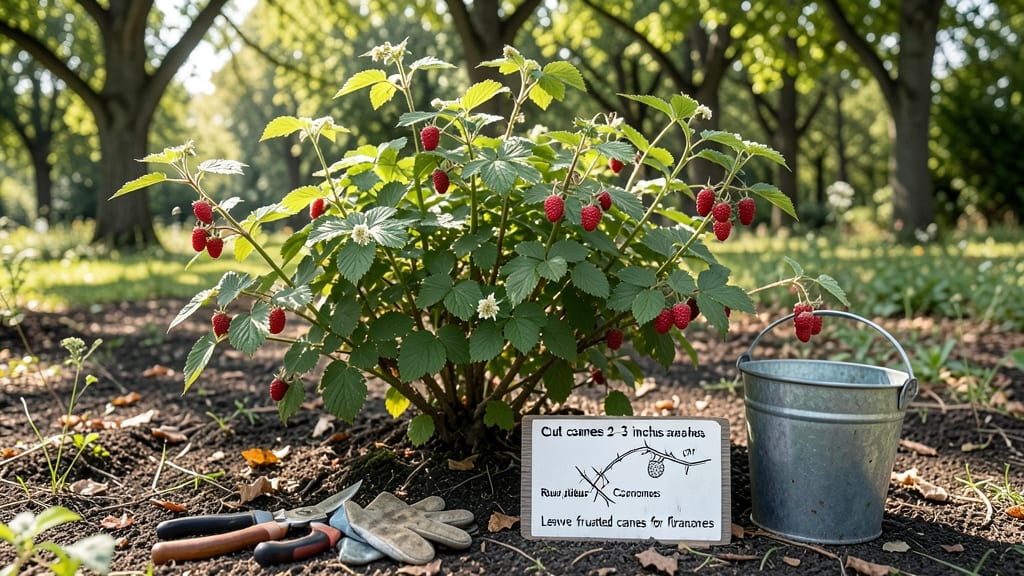
Pruning your Caroline raspberries in late winter unlocks their full summer potential. ✨ I learned the hard way that skipping this step means smaller berries and weaker canes—until I mastered the three-cut method that transforms tangled growth into a productive, disease-resistant plant.
The secret lies in timing and technique: prune when the plant is dormant but buds are swelling, and always cut at a 45-degree angle just above an outward-facing bud. Most gardeners overlook the importance of removing old canes entirely—those hollow stems harbor pests and diseases that ruin next year’s harvest.
What you’ll end up with is a sunlit canopy where every cane gets maximum airflow and light, leading to larger, sweeter berries and fewer problems with mildew. The first flush of new growth appears within weeks, and by summer, your plants will look like they’ve been professionally tended.
This method works for both summer- and fall-bearing varieties, though Caroline’s summer-bearing nature makes it especially critical. Grab your pruners and let’s get those canes shaped for a bountiful season!
📚 In This Guide
- What you need
- Instructions
- Tips and common mistakes
- Wrapping up and next steps
What you need
- ● Pruning shears – Bypass pruners (sharp, clean, and 5-inch blades for precision cuts). Quantity: 1 pair.
- ● Loppers – For thicker canes (½-inch diameter or larger). Quantity: 1 pair.
- ● Gloves – Heavy-duty, thorn-proof (raspberries have sharp canes!). Quantity: 1 pair.
- ● Disinfectant – 70% isopropyl alcohol or bleach solution (1 part bleach to 9 parts water) to sterilize tools between cuts. Quantity: Small bottle or spray.
- ● Rake or broom – For clearing debris after pruning. Quantity: 1.
- ● Trash bags or compost bin – To dispose of pruned canes (avoid composting if disease is suspected). Quantity: 2–3 bags.
- ○ Pruning saw (optional but helpful) – For stubborn, thick canes. Quantity: 1.
- ● Hand sanitizer – To keep your hands clean while working.
- ● Knee pads – For comfort if you’re working on the ground.
- ● Labeling tags – If you’re training new canes and want to mark them.
- ● Pruning sealant – Only if your region has harsh winters (to protect large cuts).
Step-by-Step guide to late-winter Caroline raspberry pruning
Revive your Caroline raspberry bushes with this precise late-winter method—it’s the key to dense canes and abundant summer fruit.
✂️ Step 1: Identify and Remove Dead or Weak Canes
Start in late winter when the plant is dormant, typically between mid-February and early March in most climates. Look for canes that are completely brown, hollow, or shriveled—these won’t produce fruit and should be cut to the ground immediately. I always use clean, sharp pruners to avoid tearing the bark, which invites disease.
Healthy canes feel firm and have a greenish hue beneath the bark. If you’re unsure, scratch the bark lightly—if it’s green underneath, leave it. Weak canes (thin, spindly, or showing no signs of life) can also be removed to redirect the plant’s energy toward stronger growth. Aim to remove about 20-30% of the oldest canes from last year’s growth.
✂️ Step 2: Prune for Structure and Airflow
Caroline raspberries thrive with open, airy canes that allow sunlight to reach the center of the plant. Start by thinning out crowded canes, spacing them 6-8 inches apart to improve airflow and reduce humidity-related diseases like botrytis. I like to keep 6-8 of the strongest, most vigorous canes per plant—these will bear the most fruit.
Next, cut back any remaining canes to a height of 3-4 feet. This encourages bushier growth lower on the plant, making future harvests easier. Avoid leaving stubs—always cut just above a bud or lateral branch to promote new growth. If you’re unsure where to cut, imagine a V-shape where the cane meets the main stem; this is where new shoots will emerge.
🌱 Step 3: Shape the Plant for Optimal Fruit Production
Caroline raspberries produce fruit on floricanes—second-year canes that grow from the base of the plant. To maximize yield, focus on young, first-year canes (primocanes) that emerged last summer. These will become next year’s fruit-bearing canes. Trim back any suckers (small shoots growing at the base) unless you’re propagating new plants.
Step back and assess the plant’s shape. The goal is a pyramid-like structure with a wide base and narrower top. This shape ensures sunlight reaches all canes evenly. If you notice canes growing inward, prune them to open up the center. You’ll know you’ve done it right when the plant looks balanced and full of potential—like a well-structured tree.
💧 Step 4: Clean Up and Prepare for New Growth
After pruning, gather all the cut canes and remove them from the garden to prevent disease buildup. I like to burn or compost them separately from other yard waste. Next, rake away any fallen leaves or debris from the base of the plant—this reduces overwintering pests and fungal spores.
Apply a 2-3 inch layer of organic mulch (like shredded bark or straw) around the base of the plant, keeping it 6 inches away from the stems to prevent rot. Water deeply but avoid soaking the soil—Caroline raspberries prefer well-draining, slightly moist soil but hate soggy roots. This is also a great time to add balanced fertilizer (10-10-10) to support the upcoming growth spurt.
⏰ Step 5: Monitor and Adjust as Growth Begins
As spring arrives and new shoots emerge, keep an eye out for vigorous, upright growth. These are your primocanes, and they’ll need support as they grow. Install trellis or stakes early to avoid damaging the canes later. Prune any water sprouts (thin, fast-growing shoots) that appear—these divert energy from fruit production.
By mid-spring, you should see new leaves unfurling and canes elongating. This is your cue to reduce watering slightly to encourage root development. Overwatering at this stage can lead to weak, leggy growth. Instead, water deeply once a week unless rainfall provides sufficient moisture. Your Caroline raspberries are now on track for a bountiful summer harvest—just keep up with regular checks for pests or disease.
Tips & tricks for Caroline raspberry revival
Late-winter pruning transforms your Caroline raspberries from dormant to thriving—here’s how to avoid common pitfalls and maximize next summer’s harvest.
Timing is Everything: The mid-February to early March window is critical because the plant is fully dormant, making it easier to identify dead canes and minimize stress. I’ve learned the hard way that pruning too early can expose tender growth to cold snaps, while waiting too long risks encouraging new shoots that will die back in late frosts. If you miss this window, wait until the plant shows signs of bud swell—just don’t delay beyond early spring.
Pruning Precision: When cutting back remaining canes to 3-4 feet in Step 2, always aim for the V-shape where the cane meets the main stem. This isn’t just about aesthetics—it’s where the plant’s growth hormones are most concentrated. I use a permanent marker to highlight these spots before cutting, which helps me visualize the perfect angle. For stubborn canes, I make a slight downward cut just above the bud to encourage outward growth rather than inward.
Disease Prevention: The cleanup in Step 4 isn’t just about tidiness—it’s your best defense against botrytis and other fungal diseases. I double-bag all pruned canes in heavy-duty trash bags before removing them from the garden site. This prevents spores from spreading to healthy canes. After pruning, I spray the area with a 1:10 hydrogen peroxide solution (3% concentration) as a preventative measure, especially if my garden had issues last season.
Spring Monitoring: That mid-spring watering adjustment in Step 5 is crucial for strong root development. I’ve seen plants produce weak, spindly growth when overwatered during this phase. To test soil moisture, I stick my finger 2 inches into the soil—if it feels damp, I wait another day. For containers, I weigh them: if they feel light, it’s time to water. This simple check prevents the leggy growth that weakens fruit production.
Pro Tips for Caroline Raspberry Pruning
- Late-winter pruning transforms your Caroline raspberries from dormant to thriving—here’s how to avoid common pitfalls and maximize next summer’s harvest.
- Timing is Everything: The mid-February to early March window is critical because the plant is fully dormant, making it easier to identify dead canes and minimize stress.
- Pruning Precision: When cutting back remaining canes to 3-4 feet in Step 2, always aim for the V-shape where the cane meets the main stem.
Frequently asked questions
Got questions about Caroline raspberry pruning?
You’re not alone! Whether you’re a first-time gardener or a seasoned green thumb, these frequently asked questions will help you tackle pruning like a pro. Let’s dive in!
When is the best time to prune Caroline raspberries?
The ideal window for pruning Caroline raspberries is late winter—just as new growth begins but before buds swell. Aim for February to early March in most climates. This timing ensures you remove dead wood while stimulating vigorous spring growth. Avoid pruning in fall or during active fruiting to prevent disease risks.
How much should I cut back Caroline raspberries?
For first-year canes, prune back to 6 inches above the ground. In subsequent years, remove all old, fruited canes (they’re brown and woody) and thin out weak or crossing canes. Leave the healthiest 6–8 canes per plant—they’ll produce the best fruit! Think of it as a haircut for your berries.
What if I prune at the wrong time?
Pruning too early (mid-winter) can expose canes to cold damage, while pruning too late (spring/summer) may stress the plant or invite pests. If you’ve already missed the window, focus on removing dead/diseased canes and wait until next year’s late-winter pruning. Patience is key!
Can I prune Caroline raspberries without shears?
While pruning shears make the job easier, you can use clean, sharp loppers or even a hand saw for thicker canes. Avoid tearing bark—make clean cuts at a 45-degree angle just above a bud. For small gardens, gloves and elbow grease work too! Just disinfect tools with rubbing alcohol to prevent spreading disease.
Will pruning reduce my raspberry harvest?
Not at all! Pruning boosts productivity by redirecting energy to new, healthy canes that produce bigger, sweeter berries. Caroline raspberries thrive with proper pruning—think of it as training a champion plant. First-year pruning might seem drastic, but it sets the stage for abundant summer fruit.
Wrapping up and next steps
Mastering Caroline raspberry pruning in late winter unlocks the secret to a vibrant, high-yielding harvest by summer! With the right tools, timing, and technique, you’ll transform your bushes into productive powerhouses—while keeping pests and diseases at bay. 🌱✨
Ready to take action? Grab your pruners and schedule your pruning session on a dry, sunny day—your future berry bounty awaits! Start small, observe your plants, and refine your approach each year for even better results.