
Pruning
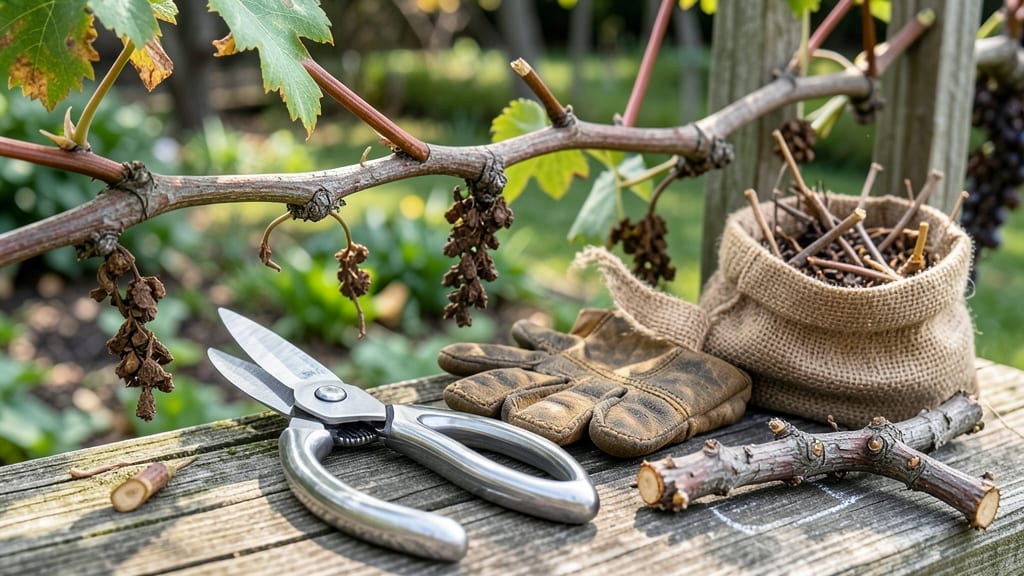
Pruning Concord grapes in late winter unlocks their full potential—stronger canes and fruit clusters that put store-bought to shame. 🌱 I’ve seen firsthand how proper pruning turns tangled vines into productive, sun-drenched harvest machines.
The key is timing, sharp tools, and a clear plan to shape the vine before spring growth begins.
You’ll need just a few tools: pruning shears for clean cuts, loppers for thicker canes, and gloves to protect from thorns. The real work happens in bud counting—each grape cluster needs 8-12 buds to thrive, and removing old wood opens space for sunlight and air flow.
Think of it like giving your vine a haircut: shorter on the sides, longer on the top.
After pruning, you’ll notice new growth within weeks—thick, green shoots that promise a bountiful harvest. The vines stay healthier, diseases have fewer hiding spots, and those big, juicy Concord grapes become easier to reach. It’s the difference between a handful of berries and buckets full.
Even if you’ve never pruned before, this method works for backyard vines or trellised rows. The only mistake? Waiting too long. Late winter is the perfect time—before buds swell but after the coldest weather passes. Grab your tools and let’s get those canes in shape!
📚 In This Guide
- What you need
- Instructions
- Tips and common mistakes
- Wrapping up and next steps
What you need
- ● Pruning shears: Bypass pruners (sharp, clean, and rated for cutting up to ½-inch thick—Concord canes can be stubborn!). Quantity: 1 pair.
- ○ Loppers: For thicker canes (1+ inch diameter). Quantity: 1 pair (optional if you’re confident with shears).
- ● Garden gloves: Heavy-duty, cut-resistant (Concord canes have thorns—trust us, you’ll thank us later!). Quantity: 1 pair.
- ● Disinfectant: 70% isopropyl alcohol or bleach solution (1 part bleach to 9 parts water) to sterilize tools and cuts (prevents disease spread).
- ● Rake or broom: For clearing debris from the pruning area. Quantity: 1.
- ○ Pruning sealant: Optional but helpful (e.g., Tree Seal Tape or pruning paint) to protect large cuts from pests/disease. Quantity: Small tube.
- ● Dormant season timing: Prune late winter (just before buds swell) when the plant is 100% dormant (Zone 5-9: February–March; Zone 10+: December–January).
- ● Weather check: Choose a dry, calm day (no rain forecast for 24 hours). Humidity + open wounds = disease party you don’t want.
- ● Vine inspection: Review last year’s growth notes (if you have them) or sketch a quick map of your vine’s structure before cutting.
- ● Safety first: Wear long sleeves/pants (thorns!) and closed-toe shoes.
- ● Sharpie or marker: To label canes if you’re training a new vine or testing pruning techniques.
- ● Plastic bags: For collecting pruned debris (compost later or dispose to avoid reinfesting pests).
- ● Extension pole: If your vine is tall (6+ feet)—attach shears to a 6–8 ft pole to avoid ladder mishaps.
- ● Camera: Snap photos of your vine’s structure before pruning to compare progress later!
Step-by-Step guide to pruning Concord grapes in late winter
Here’s the straightforward method I use every year to keep my grapevines healthy and productive.
✂️ Step 1: Identify and Remove Dead or Diseased Canes
Start by examining each cane closely—look for brown, shriveled wood or any signs of fungal spots. Concord grapes are tough, but dead wood won’t produce fruit and can spread disease. Grab your pruning shears and cut back any cane that feels hollow or crumbles when you bend it. I always work from the bottom up so I don’t accidentally cut healthy growth by mistake.
If you see cankers or blackened areas, those need to go too. Concord vines are prone to fungal issues, and removing infected wood early prevents the problem from spreading. You’ll know you’re doing it right when you’re left with only firm, greenish-brown canes that feel solid when you squeeze them.
✂️ Step 2: Cut Back Last Year’s Growth to 2-3 Buds
Now focus on the remaining healthy canes. Concord grapes fruit on last year’s growth, so you’ll want to prune each cane back to 2-3 buds—these will become the new fruiting wood. Make your cuts just above a bud, angled slightly away from the bud to prevent water from pooling. I like to use clean, sharp shears to avoid tearing the bark, which can invite pests.
If a cane has more than 5 buds, it’s too vigorous and will produce small, poor-quality fruit. You’ll see the buds as little swellings along the cane—count them carefully before making your cut. This step is where you shape the vine for a balanced harvest. Too few buds mean fewer grapes; too many mean small berries.
✂️ Step 3: Thin Out Overcrowded Canes for Airflow
Concord grapes need good airflow to prevent mildew and rot. If you have more than 4-6 canes coming from the same spot, some need to go. Remove the thinnest, weakest canes first—they’ll never produce well and just take energy from the stronger ones. Cut them back to the main trunk or a strong lateral branch.
You’ll know you’ve done this right when the remaining canes are spaced evenly around the vine, allowing sunlight and air to circulate freely. I like to leave a mix of older and younger canes—older ones produce fruit, while younger ones build next year’s crop. If all your canes are old, you’ll end up with fewer grapes, so balance is key.
✂️ Step 4: Clean Up and Apply a Fungicide (Optional but Recommended)
After pruning, rake up all the clippings and dispose of them in the trash—not the compost pile. Fungal spores can linger on old wood, and you don’t want them reinfecting your vine. If you notice any signs of disease (like powdery mildew), now’s the time to apply a copper-based fungicide or organic spray. I usually do this in early spring, but a preventive treatment after pruning helps too.
Finally, give the vine a good watering if the weather’s dry. Pruning stresses the plant, and a deep drink helps it recover faster. You’ll see new growth sprouting within 2-3 weeks, signaling that your pruning paid off. Keep an eye out for any weak shoots—they’ll need extra attention as the season progresses.
Tips & tricks for pruning Concord grapes like a pro
Real talk: Pruning Concord grapes is where the magic happens for your harvest. These small adjustments make all the difference between a decent crop and a bumper year.
Tool Prep: Before you even touch a cane, sanitize your pruning shears with rubbing alcohol or a bleach solution. I learned this the hard way after my vines got infected from old cuts—now I clean tools between every 5-6 cuts. Sharp tools also matter: dull shears tear bark instead of making clean cuts, which invites pests and disease.
Bud Counting Trick: In Step 2, when you're cutting back to 2-3 buds, here's what nobody tells you—look for the largest, healthiest buds closest to the trunk. These will produce the strongest canes. I count buds from the base upward, skipping any that look shriveled or discolored. This simple habit saved me from years of small, weak fruit clusters.
Airflow Check: After thinning in Step 3, do the "light test"—hold a flashlight near the center of the vine. If you can't see light shining through the middle, you need to remove more canes. Good airflow prevents powdery mildew, which is Concord grapes' worst enemy. I aim for at least 3 inches of space between canes when they're fully grown.
Post-Pruning Care: That 2-3 week recovery window in Step 4 is critical. I water deeply right after pruning to help the vine heal, then monitor for new growth. If you see weak shoots appearing, prune them back to a stronger bud—the vine will redirect energy to healthier growth.
Pro Tips for Prune Concord Grapes
- Real talk: Pruning Concord grapes is where the magic happens for your harvest.
- Tool Prep: Before you even touch a cane, sanitize your pruning shears with rubbing alcohol or a bleach solution.
- Bud Counting Trick: In Step 2, when you're cutting back to 2-3 buds, here's what nobody tells you—look for the largest, healthiest buds closest to the trunk.
Frequently asked questions
Got questions about pruning Concord grapes? You’re not alone—this task can feel tricky, especially for beginners! Below, we’ve tackled the most common concerns to help you prune like a pro and set your vines up for a bountiful harvest.
When is the exact best time to prune Concord grapes?
Prune Concord grapes in late winter (just before buds swell but before new growth starts), typically between February and March in most U.S. climates. Avoid pruning in fall—it invites disease and pests. If you missed the window, wait until early spring, but act quickly to avoid stressing the vine.
How do I know which canes to cut and which to keep?
Keep 1-2 mature canes per vine (3-5 years old) that are thick, healthy, and angled upward. Cut back last year’s fruit-bearing canes to 2-4 buds (they won’t produce fruit again). Remove thin, weak, or crisscrossing canes—they compete for energy. Pro tip: Look for canes with smooth bark and no signs of disease.
What if I prune too late or too early?
Pruning too early (winter) risks frost damage to fresh cuts, while pruning too late (spring) delays growth and reduces fruit yield. If you’re unsure, err on the side of pruning slightly late—vines are more resilient than you think! Just avoid pruning when buds are already breaking (around March-April in most zones).
Will pruning Concord grapes reduce my harvest next year?
Not if done correctly! Pruning increases fruit quality and quantity by redirecting energy to fewer, stronger canes. First-year pruning might seem harsh, but it sets the stage for bigger, sweeter grapes in years to come. Think of it like giving your vine a haircut for a better look (and more berries!).
Do I need special tools, or can I use regular pruners?
While sharp bypass pruners work fine for small vines, invest in long-handled loppers (for larger canes) and a pruning saw for thick wood. Disinfect tools with rubbing alcohol between cuts to prevent disease spread. No fancy tools? Clean, sharp household pruners will do—just work carefully!
What should I do if my Concord grapes get moldy or diseased after pruning?
If you spot black rot, powdery mildew, or fungal spots, act fast! Remove infected canes immediately and dispose of them (don’t compost). Apply a copper fungicide or baking soda spray (1 tbsp baking soda + 1 quart water + a drop of dish soap) every 2 weeks until new growth appears. Prevention is key—prune in dry weather and avoid overhead watering.
Wrapping up and next steps
Pruning Concord grapes in late winter isn’t just about shaping your vines—it’s about setting the stage for a bountiful harvest and healthier growth.
By following these steps—removing dead wood, thinning canes, and balancing your plant’s energy—you’ll encourage stronger vines and sweeter, juicier fruit. You’ve got this! Now that you’re armed with the know-how, grab those pruners and get ready to transform your grapevine into a thriving powerhouse. 🌱✂️
Ready to take the next step? Mark your calendar for late winter (just before bud break) and roll up your sleeves—your future harvest will thank you!