
Pruning
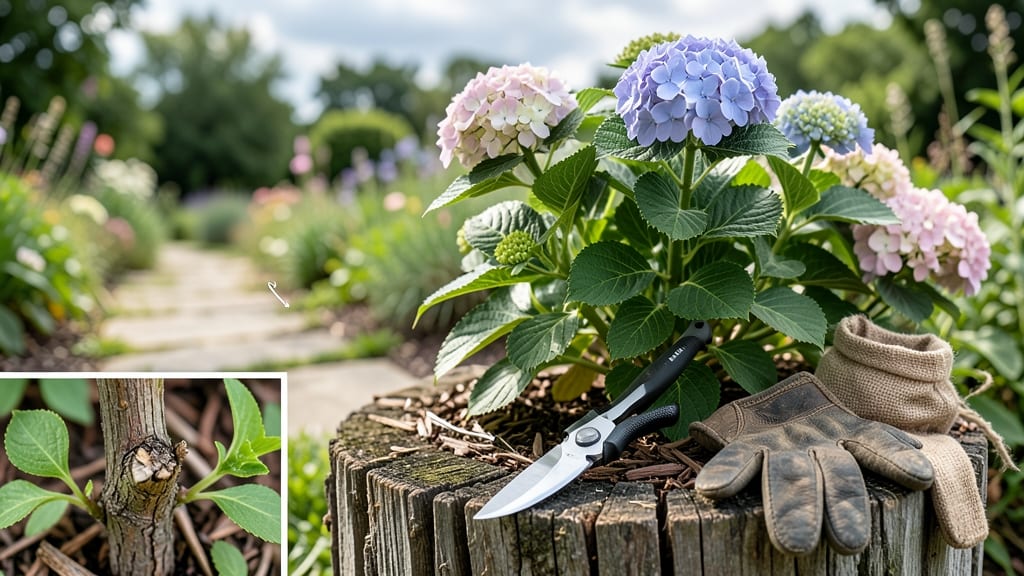
Pruning flowering shrubs transforms your yard from good to showstopping. ✂️ I’ve spent years perfecting this skill—after my first lilac bush looked like a tangled mess, I learned the secrets to keeping shrubs lush, blooming, and shaped just right.
The timing, tools, and technique make all the difference between a garden highlight and a sad, leggy shadow of its potential.
Most mistakes come from pruning at the wrong time or cutting too aggressively. Spring-flowering shrubs (like lilacs and azaleas) need pruning right after they bloom, while summer-flowering types (like hydrangeas and roses) get their best shape in late winter or early spring.
You’ll need sharp bypass pruners, loppers for thicker branches, and a clean, sharp saw for larger cuts—dull tools tear bark and invite disease.
With the right approach, you’ll end up with shrubs that burst with blooms, stay compact, and resist pests. The key is making cuts just above a leaf node or bud, never leaving stubs.
A well-pruned hydrangea or rose can produce 30-50% more flowers than one left to its own devices, and the shape stays neat without looking manicured.
Whether you’re tackling a single bush or an entire garden bed, these techniques work for everything from formal hedges to wild, cottage-style borders. The payoff? Shrubs that thrive year after year with minimal effort—and neighbors who ask for your pruning secrets.
📚 In This Guide
- What you need
- Instructions
- Tips and common mistakes
- Wrapping up and next steps
What you need
- ● Pruning shears: Bypass pruners (for clean cuts on small stems, ¼” to ¾” thick), with sharp, stainless steel blades. Pro tip: 💡 Sharpen blades before use for precision cuts!
- ● Loppers: Bypass or anvil loppers (for thicker branches, ¾” to 2” thick). Opt for telescoping handles for hard-to-reach spots.
- ● Pruning saw: A curved or bow saw (for branches 2” or thicker). Choose one with a fine-toothed blade for cleaner cuts.
- ○ Gloves: Heavy-duty, cut-resistant gloves (to protect hands from thorns and sharp branches). Optional: Gardening gloves with grip for better control.
- ● Disinfectant: 70% isopropyl alcohol or a pruning sealant (to sterilize tools between cuts and prevent disease spread).
- ● Rag or paper towels: For wiping down tools and cleaning sap/resin.
- ● Ladder or stool: Sturdy and tall enough to reach the shrub’s highest branches safely. Safety tip: ✨ Always secure the ladder on stable ground!
- ● Trash bags or bucket: For collecting pruned branches and debris.
- ● Hand pruners with ratcheting mechanism: Reduces hand fatigue for prolonged pruning sessions.
- ● Extension pole pruners: For high or dense shrubs without climbing.
- ● Marking spray: Temporary spray paint to mark branches for removal (great for complex pruning plans).
- ● Knee pads: If you’ll be working close to the ground for extended periods.
- ● Sunscreen and hat: Protect yourself from sun exposure during outdoor work.
- ● Know your shrub’s pruning timeline (e.g., deadheading after blooms, late winter for dormant pruning).
- ● Check the weather forecast—prune on a cloudy day or early morning to avoid stressing the plant.
- ● Review your shrub’s growth habits (e.g., spring bloomers vs. summer bloomers) to avoid cutting back at the wrong time.
- ● Have a clear plan for shaping or thinning (sketch it out if needed!).
Step-by-step instructions for pruning flowering shrubs
Here’s how I transform tangled shrubs into showstopping bloomers—no guesswork, just clear cuts.
✂️ Step 1: Time Your Pruning for Peak Performance
Flowering shrubs bloom on either old wood (last year’s growth) or new wood (current season’s growth), and timing matters. Prune new-wood bloomers (like hydrangeas, weigelas, or butterfly bushes) right after they finish flowering—this encourages fresh growth for next year’s blooms. For old-wood bloomers (like lilacs, forsythia, or spring-blooming spireas), wait until right after they flower but before new buds form.
I always check the bloom cycle first—skipping this step means cutting off next year’s flowers. If your shrub blooms in spring, prune in late spring or early summer. For summer/fall bloomers, prune in early spring before buds swell. Mark your calendar now so you don’t accidentally prune at the wrong time.
✂️ Step 2: Gather Tools and Assess the Shape
You’ll need sharp, clean pruners (bypass pruners for branches under ½ inch thick, loppers for ½–1½ inches, and a pruning saw for thicker stems). Sterilize blades with rubbing alcohol to prevent disease spread. Grab a small bucket for clippings and a notebook to sketch your plan—trust me, it helps.
Step back and study the shrub’s natural shape. Look for dead, crossing, or rubbing branches—these go first. Then identify overcrowded areas where branches compete for sunlight. I like to visualize the shrub as a rounded dome or tapered vase shape, depending on its mature form. Sketch a quick outline in your notebook to guide cuts.
✂️ Step 3: Remove Dead and Problem Branches First
Start by cutting out dead, diseased, or damaged wood—these branches won’t bloom and can spread problems. Snip at the branch collar (the swollen area where the branch meets the trunk) to avoid leaving stubs. For crossing branches, remove the one growing inward or upward, as these create wounds and crowd the center.
Next, tackle thin, weak, or spindly growth. These branches rarely bloom well and take energy from stronger stems. If a branch is less than ⅓ the diameter of the main stem, it’s a candidate for removal. I always prune these first—it’s like decluttering a closet before reorganizing. You’ll see the shrub’s structure become clearer with each cut.
✂️ Step 4: Thin Out for Better Airflow and Light
Now focus on thinning out the interior to improve airflow and sunlight penetration. Aim to remove 25–30% of the oldest wood to encourage new growth. Start at the outer edges and work inward, cutting branches back to a bud or side branch that faces outward. This opens up the center and reduces disease risk.
Watch for water sprouts (slim, upright shoots) and suckers (shoots from the base)—these sap energy from the shrub. Cut these out completely at the base. If you’re unsure which branches to remove, ask: “Does this branch contribute to the shrub’s shape or bloom potential?” If not, it goes. You’ll notice the shrub’s natural form emerge as you work.
✂️ Step 5: Shape and Refine the Canopy
Now it’s time to refine the shrub’s silhouette. For a rounded shape, cut branches that stick out too far back to a bud facing the outside. For a tapered look, gradually shorten branches on the bottom and outer edges to create a narrower top. Never shear flowering shrubs—this encourages weak, leggy growth and fewer blooms.
Step back often to check your progress. The goal is a balanced, open structure with room for airflow. If you’re pruning a multi-stemmed shrub, avoid cutting more than ⅓ of the oldest stems in one season—this can stress the plant. For single-stemmed shrubs, you can remove up to ⅓ of the total height if needed. Finish by cleaning up any ragged cuts with your pruners.
🌿 Step 6: Clean Up and Monitor Recovery
Dispose of clippings in the trash (never compost diseased wood). Sterilize your tools again with rubbing alcohol to prevent cross-contamination. Water the shrub deeply after pruning to help it recover. In the weeks ahead, watch for new growth at the pruning sites—this is a sign the shrub is healing well.
Real talk: Over-pruning is a common mistake. If you’ve cut too much, you’ll see wilting leaves or no new growth in spring. If this happens, don’t panic—just reduce pruning next year and focus on light feeding and watering. With time, the shrub will bounce back. I’ve revived even the most over-pruned shrubs by giving them patience and care.
Tips & tricks for pruning flowering shrubs
Common mistakes can turn a simple pruning session into a disaster—here's how to avoid them and get the best results.
Timing is Everything: I can't stress this enough—timing your pruning to the shrub's bloom cycle is the single most important factor. For spring bloomers like lilacs, wait until right after they finish flowering but before new buds appear. If you prune too early, you risk cutting off next year's blooms. I always mark my calendar with the bloom cycle for each shrub in my garden to avoid this common mistake.
Tool Sharpness Matters: Dull pruners crush stems instead of making clean cuts, which can damage the plant and leave it vulnerable to disease. Before you start, sharpen your blades with a file or replace them if they're not cutting cleanly. I keep a small sharpening stone in my tool shed for quick touch-ups between pruning sessions. For thicker branches, use the right tool—loppers for ½–1½ inches and a pruning saw for anything thicker.
Shape Visualization Tip: Step back and imagine your shrub's mature form before making any cuts. Most flowering shrubs naturally grow into either a rounded dome or tapered vase shape. Sketch a quick outline in your notebook to guide your cuts. This simple technique helps you avoid over-pruning and creates a more natural, balanced look. I've seen gardeners accidentally turn beautiful shrubs into unrecognizable shapes by not planning their cuts first.
Recovery Care: After pruning, don't just walk away—give your shrubs the care they need to recover. Water deeply right after pruning to help the plant heal. In the weeks following, watch for new growth at the pruning sites as a sign the shrub is recovering well. I've revived even the most over-pruned shrubs by giving them patience and proper aftercare—light feeding and consistent watering can work wonders.
Pro Tips for Prune Flowering Shrubs
- Common mistakes can turn a simple pruning session into a disaster—here's how to avoid them and get the best results.
- Timing is Everything: I can't stress this enough—timing your pruning to the shrub's bloom cycle is the single most important factor.
- Tool Sharpness Matters: Dull pruners crush stems instead of making clean cuts, which can damage the plant and leave it vulnerable to disease.
Frequently asked questions
Got questions about pruning flowering shrubs? You’re not alone! Here are answers to the most common concerns—so you can confidently shape your shrubs like a pro.
When is the best time to prune flowering shrubs?
The timing depends on your shrub’s bloom cycle! Spring-bloomers (like lilacs or forsythia) should be pruned right after flowering to avoid cutting off next year’s buds. For summer- or fall-bloomers (e.g., hydrangeas, abelia), prune in late winter or early spring before new growth starts. Always check your specific shrub’s needs—some, like roses, need multiple pruning sessions!
What if I prune at the wrong time?
Don’t panic! A little late pruning won’t kill your shrub, but it might reduce blooms or encourage leggy growth. For spring-bloomers, pruning too late could remove next year’s flower buds. For others, late pruning may delay blooming. If you’ve already pruned at the wrong time, focus on light maintenance (removing dead wood) and give your shrub extra care—like water and fertilizer—to recover.
How much can I cut back without harming the shrub?
Most flowering shrubs tolerate a 25–30% reduction in size per year, but some (like hydrangeas) can handle up to 50% if done correctly. Avoid topping (cutting back to stubs)—this stresses the plant and leads to weak growth. Instead, prune to just above a bud or leaf node, and always use clean, sharp tools to prevent disease. For overgrown shrubs, spread cuts over 2–3 years to avoid shock.
Can I prune flowering shrubs in winter?
Winter pruning is safe for dormant shrubs (like boxwoods or some roses), but avoid heavy cuts on spring-bloomers—you’ll risk removing flower buds. For summer-bloomers, winter is ideal for structural pruning (removing dead or crossing branches). Just wait until after a hard frost to prevent stress. Pro tip: Mark branches with tape if you’re unsure which to cut—you can always adjust in spring!
What do I do if my shrub doesn’t bloom after pruning?
Lack of blooms usually means one of three things:
- Wrong timing: Spring-bloomers need pruning after flowering.
- Over-pruning: Cutting too much removes next year’s buds.
- Poor nutrition: Feed with high-phosphorus fertilizer (like 10-20-10) in early spring.
Wrapping up and next steps
Pruning flowering shrubs doesn’t have to be intimidating—with the right timing, tools, and techniques, you can transform your garden into a vibrant, well-maintained paradise. Remember, the key is to prune for health, shape, and future blooms, not just aesthetics.
Whether you’re tackling spring cleanups, summer deadheading, or winter reshaping, confidence will grow with each snip!
Ready to take the next step? Grab your pruners and start small—pick one shrub this weekend and practice your new skills. Before you know it, your garden will be the talk of the neighborhood! 🌸✂️