
How To
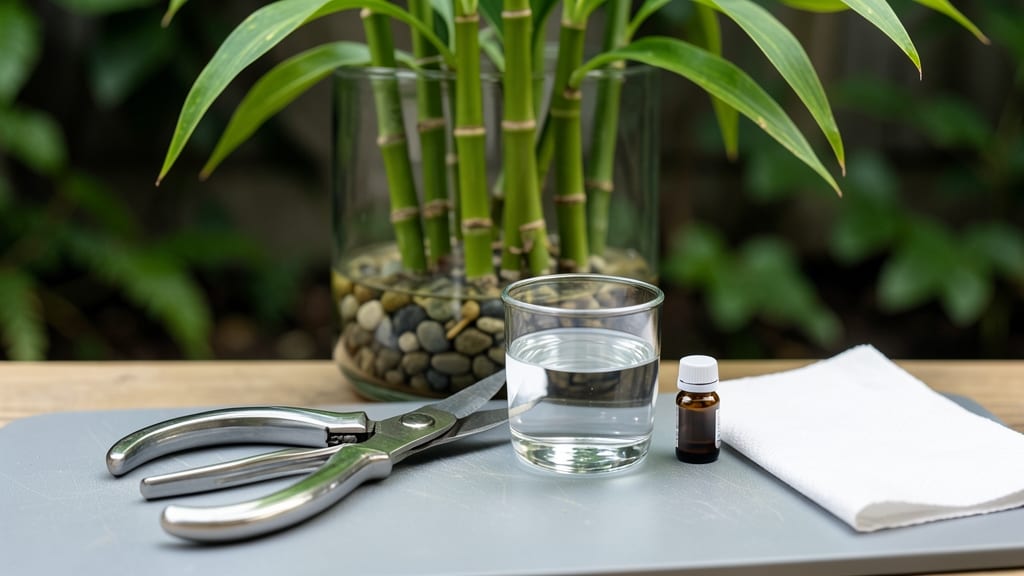
Pruning lucky bamboo keeps it lush and full of symbolic energy. ✨ The right cuts encourage bushier growth, prevent leggy stems, and even create new plants—without stressing the roots or turning leaves yellow.
Start with clean, sharp scissors and focus on trimming just above a node (the little bump where leaves grow). For fuller plants, cut stems back by one-third in spring or summer, but avoid heavy pruning in winter when growth slows.
After trimming, place the plant in bright, indirect light and keep the soil slightly damp to help it recover quickly.
Over-trimming is the biggest mistake—never cut more than one-third at once, or you’ll shock the plant. If leaves yellow after pruning, it’s usually from stress, so adjust light and water until new growth appears.
With the right approach, your lucky bamboo stays vibrant all year, bringing good fortune and greenery to any space.
📚 In This Guide
- What you need
- Instructions
- Tips and common mistakes
- Wrapping up and next steps
What you need
- ● Sharp pruning shears or scissors – Choose sterilized, clean tools with sharp blades (preferably 4-6 inch blades) to avoid crushing stems or spreading disease.
- ● Rubbing alcohol (70% or higher) – 1 small bottle (4 oz) to sterilize tools before and after pruning.
- ● Lucky bamboo stems – Healthy, mature stalks (3+ inches tall) with visible nodes (joints).
- ● Clean water – Filtered or distilled water (1 gallon) for repotting pruned cuttings.
- ● Small containers or jars – 2-3 small, clear vessels (6-8 oz) for rooting cuttings (e.g., glass vases, mason jars).
- ○ Optional rooting hormone (gel or powder) – 1 small bottle to boost root growth (not required but helpful for faster results).
- ● Hydroponic nutrients – A balanced liquid fertilizer (e.g., Dyna-Gro Foliage Pro) to speed up regrowth.
- ● Activated charcoal – A pinch to add to water and prevent bacterial growth in cuttings.
- ● Plant labels or markers – To track pruning dates and growth progress.
- ○ Glove (optional) – To protect hands from sharp edges or sap.
Step-by-Step instructions for pruning lucky bamboo
Here’s how I keep my lucky bamboo thriving year-round with simple, stress-free pruning.
✂️ Step 1: Identify Healthy Growth Points
Lucky bamboo grows from nodes—those little bumps along the stems where new leaves and roots emerge. Look for stems with at least 3-4 healthy nodes between leaves. These are your pruning zones. Avoid cutting near yellowed or mushy sections, as these signal disease or rot.
Run your fingers along the stem—you’ll feel the nodes like tiny knobs. The spot between two nodes is where you’ll make your cut. I like to mark these with a pencil first to avoid accidental cuts in the wrong place. This ensures clean pruning and encourages new growth from the right spots.
✂️ Step 2: Use the Right Tools for Clean Cuts
Never use scissors or dull blades—they crush stems and invite infection. Grab a pair of sharp pruning shears or a clean knife. Sterilize your tools with rubbing alcohol before and after pruning to prevent bacterial spread. A clean cut heals faster and looks better.
Make your cut at a 45-degree angle, about ½ inch above a node. This angle helps water run off and reduces the risk of rot. If you’re pruning to encourage branching, cut just above a node where you want new growth to sprout. Avoid cutting too close to the base—this can stress the plant.
🌿 Step 3: Encourage Bushier Growth
To make your lucky bamboo fuller, trim the longest stems back by ⅓ of their length. This signals the plant to redirect energy into producing side shoots. Focus on the tallest stems first—they’ll compete for light and nutrients, leaving the rest sparse.
After pruning, place the plant in bright, indirect light (like an east or north-facing window). Avoid direct sun, which can scorch new leaves. Within 2-4 weeks, you’ll see new shoots emerging from the nodes below your cuts. This is your reward for patience—thicker, bushier growth.
💧 Step 4: Refresh the Water and Monitor Recovery
After pruning, dump the old water and refill the container with fresh, room-temperature water. Lucky bamboo is sensitive to chlorine, so let tap water sit out for 24 hours before using it. Add a pinch of activated charcoal to keep the water clean and prevent algae.
Watch for new growth in the coming weeks. If leaves yellow or stems soften, it’s a sign of over-pruning or poor water quality. Adjust by trimming less aggressively next time or changing the water more frequently. A thriving lucky bamboo should bounce back within 3-4 weeks with vibrant new leaves.
⏰ Step 5: Maintain Year-Round with Seasonal Adjustments
Lucky bamboo grows slowly, so prune every 3-4 months to keep it shaped and healthy. In winter, reduce pruning to once every 4-6 weeks—the plant’s growth slows naturally. Avoid heavy pruning in fall, as it stresses the plant before dormancy.
Here’s the thing—lucky bamboo is forgiving. Even if you over-prune, it’ll recover given time and care. The key is consistency: trim, refresh the water, and place it in the right light. Soon, you’ll have a lush, thriving plant that’s the star of your space.
Tips & tricks for pruning lucky bamboo
Lucky bamboo thrives when you work with its natural growth patterns—not against them. These simple tricks will help you prune like a pro, ensuring your plant stays vibrant and full.
Node Identification Tip: In Step 1, when identifying healthy growth points, focus on stems with 3-4 healthy nodes between leaves. If you're unsure whether a node is healthy, gently press it—it should feel firm, not soft or hollow. I've learned the hard way that cutting near mushy nodes leads to rot, so always double-check before making your cut. This attention to detail makes all the difference in preventing future problems.
Tool Technique: For Step 2, I can't stress enough how important it is to use sharp, sterilized tools. I keep a small bottle of rubbing alcohol handy specifically for this purpose. The 45-degree angle cut about ½ inch above a node might seem tricky at first, but practice makes perfect. Start with a pencil to mark your cut lines—this visual guide helps maintain consistency, especially if you're working with multiple stems at once.
Recovery Timeline: After pruning in Step 4, be patient with the recovery process. The 3-4 week window mentioned is actually a range—some plants bounce back faster, especially if they're already healthy. I've noticed that plants in warmer environments (65-75°F) tend to recover more quickly than those in cooler spaces. Keep an eye on the water quality too; cloudy water is a red flag that it's time for another refresh.
Seasonal Adjustments: When maintaining your plant year-round (Step 5), remember that the 3-4 month pruning schedule is ideal for active growth periods. In winter, when growth naturally slows, you can extend that to 4-6 weeks without stressing the plant. I've found that lucky bamboo actually appreciates less frequent pruning in cooler months—it gives the plant time to recover and store energy for spring growth.
Pro Tips for Prune Lucky Bamboo
- Lucky bamboo thrives when you work with its natural growth patterns—not against them.
- Node Identification Tip: In Step 1, when identifying healthy growth points, focus on stems with 3-4 healthy nodes between leaves.
- Tool Technique: For Step 2, I can't stress enough how important it is to use sharp, sterilized tools.
Frequently asked questions
about pruning lucky bamboo—because even the easiest plants have their quirks! Here’s what you really need to know before grabbing those shears.How often should I prune my lucky bamboo?
Prune your lucky bamboo whenever it outgrows its space—typically every 3–6 months. If you’re growing it in water, trim leggy stems to encourage bushier growth. For soil-grown plants, prune in spring or after repotting. Over-pruning stresses the plant, so aim for 1/3 of the stem length max per cut.
Can I prune lucky bamboo in winter?
Yes! Lucky bamboo is hardy year-round, but winter pruning is ideal for shaping before spring growth. Avoid heavy pruning in cold climates (below 60°F) if your plant is indoors near drafts—stick to light trims. If outdoors, wait until temps rise above 55°F to prevent shock.
What do I do with the cuttings after pruning?
Lucky bamboo cuttings root easily! Place 2–4-inch stems in fresh water or moist soil. Change the water every 7–10 days for water-rooted cuttings. In soil, keep humidity high (use a plastic bag) until new growth appears. Pro tip: Add a rooting hormone to speed up the process!
Why is my lucky bamboo turning yellow after pruning?
Yellowing is normal for 1–2 weeks post-prune as the plant adjusts. If it persists, check your water (use room-temp, filtered water) or soil moisture. Over-pruning or poor lighting can also cause stress. Move to bright, indirect light and avoid direct sun until it recovers.
Can I prune lucky bamboo to encourage flowers or leaves?
Lucky bamboo (Dracaena sanderiana) rarely flowers indoors—it’s prized for its stems! To boost foliage, trim the top 1–2 inches of stems to promote side shoots. For bushier growth, prune just above a node (the bump where leaves or branches grow). Patience is key—new leaves take 4–8 weeks to emerge.
Wrapping up and next steps
Pruning lucky bamboo isn’t just about keeping it tidy—it’s your secret weapon for longer, healthier growth and stunning foliage year-round! 🌿 With the right tools, timing, and techniques, you’ll encourage lush new shoots and maintain that effortlessly chic look.
Whether you’re trimming for shape, propagation, or revival, remember: confidence is key—your plant will thank you!
Ready to see your lucky bamboo thrive even more? Grab those clean scissors and try pruning a small section today! For extra inspiration, check out our guide to lucky bamboo care—your next step to becoming a bamboo whisperer. 🌱✨