
Pruning
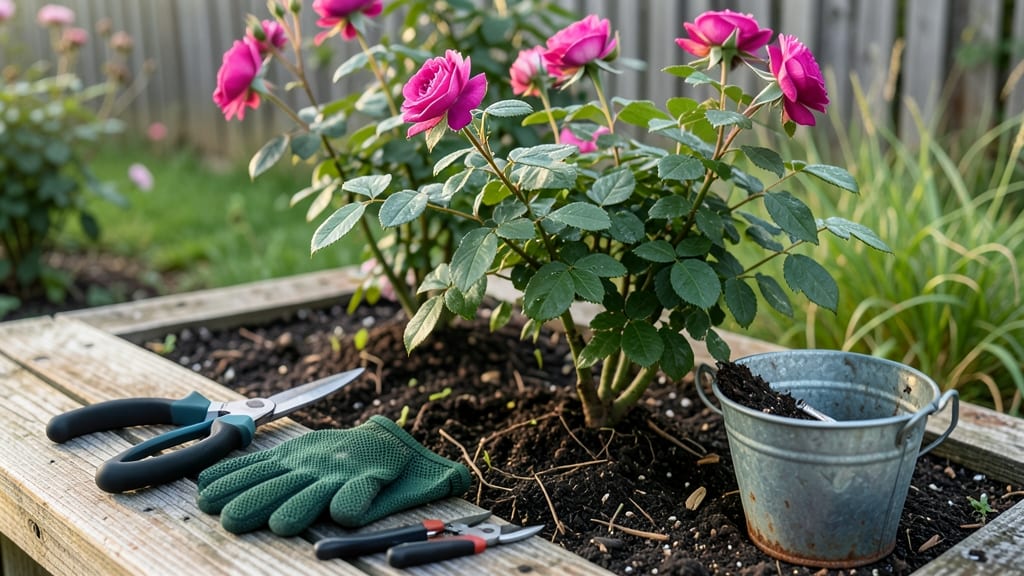
Pruning the knock off roses in late winter transforms leggy bushes into blooming powerhouses by spring. ✂️ I've pruned these tough shrubs for years, and the dormant season reset is where the magic happens—stronger canes, more flowers, and plants that bounce back from winter like nothing happened.
The secret isn't aggressive cutting—it's strategic shaping. Grab your pruners and gloves, then focus on removing dead wood first. Next, cut back last year's growth by about one-third, always making clean cuts just above an outward-facing bud.
This simple technique prevents crowded centers and encourages air circulation, which cuts down on disease.
By late March, you'll see fresh red shoots pushing from those pruned canes—proof the plant is investing energy in new growth instead of struggling with old wood. The blooms arrive earlier, last longer, and the shrubs stay compact enough to fit anywhere in your landscape.
Works for all Knock Out varieties, whether you're pruning a single bush or a row of them. The key is timing: wait until the ground thaws but before new growth starts. Here's how to do it right without overcomplicating things.
📚 In This Guide
- What you need
- Instructions
- Tips and common mistakes
- Wrapping up and next steps
What you need
- ● Pruning shears – Bypass pruners (sharp, 5-7 inch blade) for clean cuts on smaller canes.
- ● Loppers – Long-handled (20-24 inch) for thicker stems (1.5–2 inches in diameter).
- ● Pruning saw – Curved-tooth or fine-tooth for stubborn, oversized branches (3+ inches thick).
- ● Gloves – Heavy-duty, cut-resistant (e.g., leather or reinforced fabric) to protect from thorns.
- ● Disinfectant – Rubbing alcohol (70%+) or bleach solution (1 part bleach : 9 parts water) to sterilize tools between cuts.
- ● Bucket or bag – For collecting pruned canes (5-gallon capacity recommended).
- ● Hand pruners – For precision trimming on delicate shoots.
- ● Pole saw – If your rose bush is tall (10+ feet).
- ● Rake or broom – To clear debris and mulch afterward.
- ● Marking spray – Water-soluble paint to tag canes for future reference.
- ● Knee pads – For comfort during long pruning sessions.
- ● Check the weather: Prune on a dry, cloudy day (avoid frost or rain within 24 hours).
- ● Wear long sleeves and pants to avoid thorn scratches.
- ● Have a clear workspace—remove weeds or obstacles near the bush.
Step-by-Step instructions for pruning roses in dormant season
Here’s how to refresh your roses for a lush, productive spring—no guesswork, just clear steps.
✂️ Step 1: Gather Tools and Prepare the Workspace
Start with clean, sharp pruning shears—dull blades crush stems instead of cutting cleanly. I always disinfect my tools with rubbing alcohol between cuts to prevent disease spread. Lay out a tarp or bucket to collect clippings and keep your workspace tidy. Work on a dry day when temperatures are above 40°F—cold, wet conditions stress the plant.
Wear gloves to protect your hands from thorns and sap. I like to wear long sleeves too, because rose canes can be surprisingly sharp. Organize your tools within easy reach: shears, loppers for thicker canes, and a small spray bottle of disinfectant. This keeps the process efficient and reduces the risk of cross-contamination between cuts.
✂️ Step 2: Identify and Remove Dead or Diseased Canes
Scan each cane for signs of life—green buds or fresh growth mean the cane is still viable. Dead canes feel hollow when tapped and have no buds. Cut these back to the base immediately. I always start with the obvious deadwood first—it’s the easiest way to declutter and improve airflow through the bush.
Look for canes with blackened spots, mold, or oozing sap—these are infected and need removal. Cut 6 inches below any visible disease to ensure you remove the entire affected area. Bag the diseased canes separately and dispose of them in the trash, not the compost. This prevents reinfecting your garden next season.
✂️ Step 3: Prune for Shape and Airflow
Step back and assess the rose’s natural shape—aim for an open center that lets light and air circulate. I like to visualize the bush as an upside-down triangle, with the widest part at the top. Cut back the tallest canes by about one-third to encourage bushier growth. Make cuts just above an outward-facing bud, angled 45 degrees downward to shed water away from the bud.
Remove any crossing or rubbing canes—these create wounds where pests and diseases love to hide. If two canes grow too close, prune the weaker one at its base. Thin out crowded areas to improve airflow, which reduces humidity and fungal issues. You’ll know you’re doing it right when the center of the bush looks open and the remaining canes are spaced evenly.
✂️ Step 4: Refine for Next Season’s Blooms
For hybrid teas and grandifloras, cut back last year’s blooms to just above a strong, healthy bud. This encourages new growth that will produce next season’s flowers. I always leave 3-5 buds on each remaining cane—this balances flower production with plant health. For shrub roses, prune more lightly, just to shape and remove deadwood, since they bloom on old wood.
Step back one last time to check your work. The bush should look balanced, with no canes growing straight up or crowded together. If you’re unsure, snap a photo before and after—it’s amazing how much difference a good pruning makes. Water the base deeply after pruning to help the plant recover and reduce stress.
⏰ Step 5: Clean Up and Monitor Recovery
Rake up all fallen leaves and debris from around the base—this removes overwintering pests and fungal spores. I like to apply a 2-inch layer of mulch around the plant to retain moisture and suppress weeds. Avoid piling mulch against the stem, though—keep it 3 inches away to prevent rot.
Watch for new growth in 3-4 weeks—this is your sign that the pruning worked. If you see yellowing leaves or stunted growth, the plant may be stressed. In that case, give it a light fertilizer and extra water. Pruning is a big job, but with these steps, your roses will reward you with stronger canes and more blooms next season.
Tips & tricks for perfect rose pruning in dormant season
Here's what nobody tells you about pruning roses that'll make all the difference in your garden's health.
Tool Prep is Non-Negotiable: Before you even touch a cane, sharpen your pruning shears with a file and wipe them down with rubbing alcohol. I've seen gardeners skip this step and end up with crushed stems that heal poorly—it's like trying to cut paper with dull scissors. Also, keep a small spray bottle of disinfectant handy between cuts to prevent spreading disease from one cane to another.
Visual Cues for Healthy Cuts: When making your angled cuts in Step 3, aim for a slope that sheds water away from the bud. Think of it like a roof—water should run off, not pool. The cut should be just above an outward-facing bud, which is typically the size of a pencil eraser. If you're unsure which buds are healthy, gently squeeze them—they should feel firm, not mushy.
The 6-Inch Rule for Disease Removal: That 6-inch clearance below diseased areas in Step 2 is crucial because fungal spores can hide deep in the cane. I've learned this the hard way after seeing roses come back with black spots even after partial pruning. When in doubt, cut deeper rather than risk leaving infected tissue. Always dispose of diseased canes in the trash, not compost, to prevent reinfection.
Mulch Placement Matters: The 2-inch layer of mulch in Step 5 should create a donut shape around the plant, keeping it 3 inches away from the stem. This prevents rot while still protecting the roots. I've seen gardeners pile mulch against the stem, which leads to soggy soil and potential fungal issues—it's a small detail that makes a big difference in plant health.
Pro Tips for Knock Off Roses Pruning
- Here's what nobody tells you about pruning roses that'll make all the difference in your garden's health.
- Tool Prep is Non-Negotiable: Before you even touch a cane, sharpen your pruning shears with a file and wipe them down with rubbing alcohol.
- Visual Cues for Healthy Cuts: When making your angled cuts in Step 3, aim for a slope that sheds water away from the bud.
Frequently asked questions
Got questions about pruning your knock off roses during dormancy? You’re not alone!
Whether you're a first-time pruner or looking to refine your technique, these answers will help you tackle the job with confidence. Let’s dive into the most common concerns and clear up any confusion.
When is the best time to prune knock off roses?
The ideal window is late winter or early spring, before new growth starts—typically when daytime temps hover around 40–50°F (4–10°C). Pruning too early risks frost damage, while waiting too long may encourage weak spring growth. Pro tip: If your roses bloom on old wood (like some hybrid teas), prune right after flowering!
How much can I cut back my knock off roses?
For most knock off roses, aim to remove 1/3 to 1/2 of the plant’s height, cutting just above a bud eye (the bump where leaves meet the stem). Avoid over-pruning—leave at least 3–5 strong canes per plant to ensure vigor. Warning: Never cut into old, woody stems; focus on younger, healthier growth!
What if my roses don’t bloom after pruning?
Lack of blooms often stems from over-pruning or cutting too late. Double-check your cuts: they should be clean, angled, and 1/4" above a bud eye. If your roses are still struggling, they may need fertilizer (high in phosphorus) or better sunlight. Try this: Thin out crowded canes to improve airflow and reduce stress.
Can I prune knock off roses in fall instead?
Light deadheading (removing spent blooms) in fall is fine, but major pruning should wait until dormancy. Fall cuts can leave wounds vulnerable to disease and pests. If you must prune, do it after the first hard frost but before new growth starts in spring.
What should I do with the pruned branches?
Don’t toss them! Dispose of diseased branches in the trash, but healthy clippings can be:
- Composted (chopped small for faster breakdown).
- Used as mulch around other plants (avoid piling near rose bases).
- Repurposed for crafts or as plant markers!
Wrapping up and next steps
Pruning your Knock Out® roses during the dormant season is your secret weapon for lush, vibrant blooms all year long! 🌸 By following the right steps—removing dead wood, thinning crowded canes, and shaping for airflow—you’re setting your roses up for a stronger, healthier growing season.
With a little patience and the right tools, you’ll be rewarded with bountiful, disease-resistant bushes that steal the show.
Ready to take the next step? Mark your calendar for late winter or early spring—when the soil is workable but before new growth appears—and grab your pruners. Your roses (and your neighbors!) will thank you. Happy pruning! 🌿