
Pruning
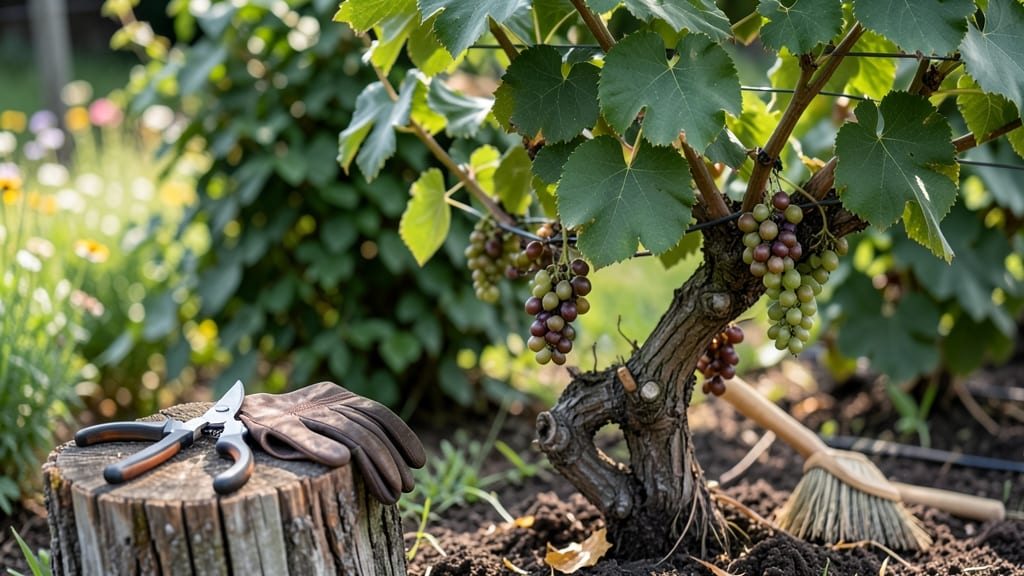
Pruning muscadine grapes in late winter reveals the vine’s hidden potential—thicker canes, more fruit, and fewer pests. 🌱 I’ve pruned these tough vines for years, and the dormant season is the perfect time to shape them without stressing the plant.
A well-pruned muscadine vine can produce fruit for decades, but timing and technique make all the difference.
The right tools and approach save hours of frustration. You’ll need sharp pruning shears, gloves (muscadine thorns are no joke), and a clean workspace. For shaping, choose between an open-center or fan-trained system—both work, but open-center vines are easier for beginners.
The goal? Remove dead wood, thin crowded canes, and encourage sunlight to reach the center.
By spring, your vine will reward you with fresh, glossy leaves and clusters of tiny green grapes. The key is patience: prune aggressively in the first year to establish structure, then refine each winter. Avoid cutting too late—new growth after pruning makes vines vulnerable to frost damage.
Even experienced gardeners make mistakes here. Over-pruning weakens vines, while under-pruning leads to crowded canes and poor fruit quality. Learn to spot dead wood (brown, brittle canes) and diseased branches (black spots, odd growths) early.
With practice, you’ll turn pruning from a chore into a ritual that sets up your vine for a bountiful harvest.
📚 In This Guide
- What you need
- Instructions
- Tips and common mistakes
- Wrapping up and next steps
What you need
- ● Pruning shears: Bypass pruners (sharp, 6-8" blades) for clean cuts—1 pair (or 2 if pruning large vines).
- ● Loppers: For thicker branches (½"–1.5")—1 pair with a long handle (18–24").
- ● Hand saw: Pruning saw for stubborn, woody growth—1 (8–10" blade).
- ● Gloves: Heavy-duty, cut-resistant (muscadine thorns are no joke!)—1–2 pairs.
- ● Disinfectant: 70% isopropyl alcohol or bleach solution (1:9 ratio)—small spray bottle to sanitize tools between cuts.
- ○ Pruning sealant: Optional but helpful for large cuts (>½")—1 small tube (e.g., Tanglefoot Tree Wound Pruning Seal).
- ● Tarp or drop cloth: For cleanup—1–2 (5’x7’ size).
- ● Trash bags: Heavy-duty for debris—2–3.
- ● Timing: Prune during dormant season (late winter/early spring, before buds swell). Ideal temps: 40–50°F.
- ● Weather check: Avoid pruning if rain or frost is forecasted within 24 hours.
- ● Safety gear: Long sleeves/pants and closed-toe shoes (thorns + tools = ouch!).
- ● Vine assessment: Study your muscadine’s structure beforehand—sketch a quick map of branches to remove/keep.
- ● Sharp tools: Hone shears/saws before starting (dull tools crush wood, inviting disease).
- ● Extension pole: 10–12' telescoping pole with pruner attachment for high branches.
- ● Label markers: Waterproof tags to mark canes for future reference.
- ● Compost bin: For repurposing pruned branches (chop into mulch!).
- ● First-aid kit: Bandages + antiseptic wipes (just in case!).
Instructions for pruning muscadine grapes in dormant season
Here's how I prune muscadine vines for maximum fruit production and health—no guesswork involved.
✂️ Step 1: Identify and Remove Dead or Diseased Wood
Start by examining each vine for branches that are brown, brittle, or showing signs of disease like black spots or fungal growth. Muscadine grapes are tough, but dead wood won’t produce fruit and can harbor pests. I always begin pruning in late winter or early spring before buds swell, when the vine’s condition is most obvious.
Use sharp, clean pruning shears to cut these branches back to the main trunk or a healthy bud. The cut should be at a 45-degree angle, about ¼ inch above a bud that’s facing outward. This encourages new growth in the right direction. If a branch is completely dead, remove it entirely—don’t leave stubs, as they can rot and invite pests.
✂️ Step 2: Thin Out Overcrowded Canes
Muscadine vines produce fruit on one-year-old canes, so you’ll want to keep the strongest, most productive ones. Look for canes that are thicker than a pencil and have a good number of buds—these are your keepers. Thin the vine so that 4-6 canes per vine remain, spaced evenly around the trellis or arbor.
Remove any canes that are rubbing against each other or growing inward, as these will compete for sunlight and nutrients. I like to step back and visualize the vine’s shape—aim for an open, airy structure that allows light and air to circulate. This prevents fungal diseases and makes harvesting easier later in the season.
✂️ Step 3: Prune for Balance and Fruit Production
Next, focus on the remaining canes. Cut back the previous year’s growth to leave 6-8 buds on each cane. This encourages strong, vigorous growth from those buds while still allowing enough space for fruit to develop. For older vines, you might leave 8-10 buds if the cane is particularly robust.
Here’s the thing—muscadine grapes are heavy producers, so balance is key. If you leave too many buds, the vine will struggle to support the fruit, leading to smaller berries or even dropped clusters. Watch for suckers (shoots growing from the base or roots) and remove them unless you’re training a new vine. These suckers drain energy from the main plant.
✂️ Step 4: Clean Up and Sanitize Tools
Once you’ve finished pruning, gather all the clippings and dispose of them in a sealed bag or burn them. This prevents diseases from overwintering in the debris. I always sanitize my pruning shears with rubbing alcohol before and after working on each vine to avoid spreading pathogens.
Finally, give the vine a light watering if the ground isn’t already moist. This helps the plant recover from the stress of pruning and prepares it for the new growing season. Step back and admire your work—you’ve just set the stage for a bountiful harvest!
Tips & tricks for perfect muscadine grape pruning
These simple strategies will help you prune like a seasoned gardener and set your vines up for a stellar harvest.
Tool Tip: Invest in a good pair of bypass pruners—they make clean cuts that heal faster than the jagged edges from anvil pruners. I also keep a small notepad handy to jot down which canes I'm keeping and why. This helps me stay consistent year after year, especially when working with multiple vines.
Visual Cue: In Step 2, when selecting canes thicker than a pencil, look for ones with a slight upward curve. These tend to produce better fruit clusters than completely straight canes. I also check for last year's fruit scars—canes with more scars usually mean heavier production.
Seasonal Timing: Late winter or early spring is ideal because the vine's condition is most obvious before new growth starts. If you miss this window, you can prune again in late summer after harvest, but you'll sacrifice some of the vine's energy reserves for the following year.
Sucker Strategy: Remove suckers immediately after they appear—don't wait until your next pruning session. These shoots grow fast and can drain 25% of the vine's energy if left unchecked. I like to pull them by hand when they're young, but for stubborn ones, I use my pruners and make a clean cut at the base.
Pro Tips for Muscadine Grapes Pruning
- These simple strategies will help you prune like a seasoned gardener and set your vines up for a stellar harvest.
- Tool Tip: Invest in a good pair of bypass pruners—they make clean cuts that heal faster than the jagged edges from anvil pruners.
- Visual Cue: In Step 2, when selecting canes thicker than a pencil, look for ones with a slight upward curve.
Frequently asked questions
When is the best time to prune muscadine grapes?
The ideal time to prune muscadine grapes is during late winter or early spring, just before bud break (around February–March in most regions). Pruning in dormant season (when the vine isn’t actively growing) minimizes stress and disease risk. Avoid pruning in fall or after buds swell, as this can expose the vine to cold damage or pests.
How much should I cut back muscadine grape vines?
For muscadine grapes, aim to remove 1/3 to 1/2 of the vine’s total growth each year. Keep 4–6 mature canes (last year’s growth) per vine, cutting back to 2–3 buds per cane. Younger vines may need lighter pruning—focus on shaping and removing weak or crossing branches. Pro tip: Use sharp pruners to avoid tearing bark!
What if I miss the dormant season pruning window?
If you miss the dormant season, wait until late spring or early summer (after harvest) to prune, but do so sparingly. Avoid heavy cuts, as the vine will be stressed. Focus on removing dead, diseased, or overcrowded growth only. Warning: Summer pruning can increase pest/disease risks, so sanitize tools with rubbing alcohol first!
Can I prune muscadine grapes in fall?
Fall pruning is not recommended for muscadine grapes because it can stimulate new growth that may be damaged by frost. If you must prune in fall, limit it to removing dead wood or diseased canes—never shape or thin the vine. Always prune after leaf drop (late November–December) to reduce stress.
How do I tell if my muscadine vine is over- or under-pruned?
| Signs of Over-Pruning | Signs of Under-Pruning |
|---|---|
|
|
Fix it: Adjust next year’s cuts to balance growth—aim for 4–6 healthy canes with good airflow.
Wrapping up and next steps
Pruning muscadine grapes during dormancy isn’t just about shaping your vines—it’s your secret weapon for bigger yields, stronger growth, and fewer pests next season. 🌱 By mastering the right techniques, timing, and tools, you’ll set your vines up for a thriving harvest.
Now that you’re armed with the knowledge, roll up your sleeves and get pruning! Your next step? Mark your calendar for late winter or early spring and start clipping—your future grape harvest depends on it!