
Pruning
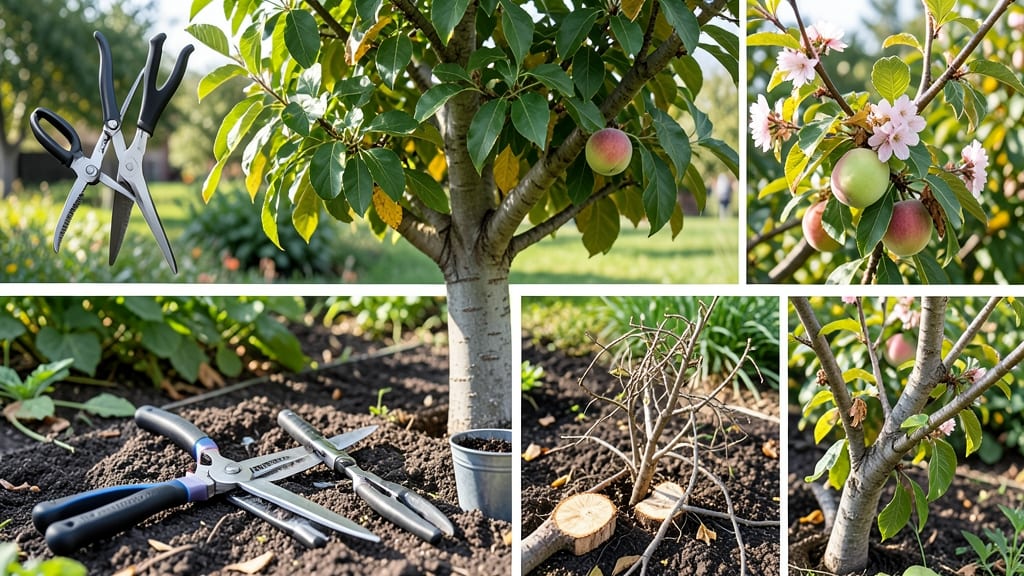
Your peach tree’s sad branches aren’t just unsightly—they’re a warning sign. ⚠️ Pruning mistakes like cutting too late in the season or hacking at branches instead of making clean cuts can turn a productive tree into a shadow of its potential, leaving you with weak growth and fewer fruits.
I’ve seen it happen too many times, and the good news? Most of these errors are easy to fix once you know what to look for.
Timing is everything—prune in late winter or early spring before buds swell, never in fall when diseases lurk. And never remove more than 25% of the tree’s branches at once, or you’ll shock it into decline.
Improper cuts—like leaving stubs or tearing bark—invite pests and rot, turning your tree into a maintenance nightmare instead of a sweet harvest.
What you’ll learn here is how to spot these mistakes early, make the right cuts, and revive your tree before it’s too late. We’re talking stronger branches, better fruit production, and a tree that looks as healthy as it tastes. The key is patience and precision—no guesswork allowed.
Whether you’re dealing with dead wood, weak limbs, or a tree that just isn’t thriving, this guide will help you turn things around. Let’s get your peach tree back on track—before another season slips away.
📚 In This Guide
- What you need
- Instructions
- Tips and common mistakes
- Wrapping up and next steps
What you need
- ● Pruning shears (bypass or anvil type) – Sharp, clean blades (avoid dull tools that tear bark). Quantity: 1 pair (professional-grade recommended).
- ● Loppers (for thicker branches, 1.5–2.5 inches in diameter) – Long-handled for reach. Quantity: 1 pair.
- ● Pruning saw (for branches 2.5+ inches thick) – Curved or folding blade for precision. Quantity: 1.
- ● Disinfectant (70% isopropyl alcohol or bleach solution) – Sterilizes tools between cuts to prevent disease spread.
- ● Garden gloves (cut-resistant, size medium/large) – Protects hands from thorns and blisters. Quantity: 1 pair.
- ○ Twine or rubber tree wrap – Secures larger cuts if needed (optional but helpful for healing).
- ○ Pruning sealant (optional, for large wounds) – Helps prevent disease entry (e.g., Tanglefoot or Pruning Wax).
- ● Know your peach tree’s age and variety – Young trees (under 3 years) need light pruning; mature trees (3+ years) require structural shaping.
- ● Dry weather window – Prune on a clear, sunny day (avoid rain for 24 hours before/after to prevent fungal growth).
- ● Safety gear – Long sleeves/pants (thorns!) and closed-toe shoes.
- ● Clean workspace – Remove fallen leaves/debris from under the tree to spot mistakes easily.
How to avoid peach tree pruning mistakes for stronger growth
Pruning peach trees wrong can mean years of struggling with weak wood and poor fruit. Here's how to do it right.
✂️ Step 1: Wait Until Late Winter or Early Spring
Peach trees need their dormant season to heal properly, so prune 4-6 weeks before bud break—usually February or March in most climates. Pruning too early risks harsh winter winds damaging exposed cuts, while pruning too late encourages new growth that won't harden off before cold snaps.
Look for tight buds that haven't swollen yet—that's your signal. If you see sap flowing or leaves starting to unfurl, you've waited too long. I always mark my calendar after the last hard frost to avoid this timing trap.
🌿 Step 2: Remove Only Dead, Diseased, or Crossing Branches
Start by cutting out dead wood (branches with no bark or hollow centers) and any with canopy diseases like brown rot or leaf curl. These spread quickly and weaken the whole tree. Next, remove branches that cross or rub against each other—they create wounds where pests and disease enter.
Don't be tempted to "thin out" too aggressively. You want to maintain the tree's natural shape while opening up the center for airflow. I like to make my first pass with pruning shears, then step back to visualize the tree's structure before making any more cuts.
☀️ Step 3: Cut at the Right Angle and in the Right Place
Always cut just outside the branch collar (the swollen area where the branch meets the trunk) at a 45-degree angle sloping away from the trunk. This ensures water runs off the cut instead of pooling and rotting the wound. Never leave stubs—these invite disease and weaken the tree's structure.
Use sharp, clean pruning tools to make smooth cuts. Dull blades tear wood, creating larger wounds that take longer to heal. I keep a small bottle of rubbing alcohol handy to wipe down tools between cuts—it prevents spreading bacterial infections between branches.
⏰ Step 4: Avoid Over-Pruning and Maintain the Tree's Natural Shape
Never remove more than 25% of the tree's canopy in one year. Peach trees are sensitive to heavy pruning, and aggressive cuts can shock the tree into producing weak, water sprouts. Focus on opening the center and removing only the problematic branches you identified earlier.
Pay attention to the tree's natural growth pattern. Peach trees grow in a vase shape, so avoid cutting back the main scaffold branches too severely. If you're unsure, take a photo of the tree before you start—you'll be surprised how much reference helps when making decisions.
🌱 Step 5: Clean Up and Monitor for New Growth
After pruning, rake up all debris and dispose of it away from your orchard to prevent disease buildup. Sterilize your tools with a 10% bleach solution (1 part bleach to 9 parts water) to kill any lingering pathogens. This step is crucial—many gardeners skip it and end up with repeat infections.
Watch for new shoots emerging from the pruning cuts. These are the tree's way of healing, and they should appear within 2-4 weeks. If you don't see any new growth by early spring, your cuts may have been too severe or made at the wrong time.
Tips & tricks for pruning peach trees like a pro
Took me years of trial and error to learn these pruning secrets—here’s how to avoid the costly mistakes that lead to dead branches and weak growth.
Timing is Everything: Those 4-6 weeks before bud break are critical for peach trees to heal properly. I’ve seen trees pruned too early develop frost cracks from winter winds, while late pruning leads to tender new growth that gets damaged by late frosts. Check your local frost dates and mark your calendar—this simple step saves years of frustration.
Visualize Before You Cut: In Step 2, when you’re removing dead or crossing branches, take a step back and imagine the tree’s natural vase shape. I always sketch a rough outline on paper first—this helps me avoid over-pruning and maintain that beautiful open center. Peach trees need airflow to prevent fungal diseases, so don’t be afraid to remove those crowded branches.
Tool Care Saves Trees: The 45-degree angle cuts you make in Step 3 only work if your tools are sharp. Dull blades tear wood fibers, creating jagged wounds that invite disease. I keep a small file and rubbing alcohol in my pruning kit—wipe between cuts to prevent cross-contamination of any fungal spores that might be hiding in the tree.
Post-Pruning Checklist: After cleaning up debris in Step 5, do a final walk-around to check for new shoots within 2-4 weeks. These little signs of life tell you the tree is healing correctly. If you don’t see any growth by early spring, you may have pruned too aggressively—remember, never remove more than 25% of the canopy in one year.
Pro Tips for Peach Tree Pruning Mistakes
- Took me years of trial and error to learn these pruning secrets—here’s how to avoid the costly mistakes that lead to dead branches and weak growth.
- Timing is Everything: Those 4-6 weeks before bud break are critical for peach trees to heal properly.
- Visualize Before You Cut: In Step 2, when you’re removing dead or crossing branches, take a step back and imagine the tree’s natural vase shape.
Frequently asked questions
Got questions about peach tree pruning? You’re not alone! Here are answers to the most common concerns—so you can avoid costly mistakes and keep your tree thriving.
When is the best time to prune a peach tree?
Prune your peach tree during late winter or early spring (before buds swell) to prevent disease and encourage strong growth. Avoid pruning in fall—it can leave wounds vulnerable to fungal infections. For established trees, a light trim in summer after harvest is fine, but focus on shaping, not heavy cuts.
What if I prune at the wrong time?
Pruning too late in spring or summer can stress the tree, leading to weak growth, poor fruit set, or even death in extreme cases. If you’ve already pruned at the wrong time, don’t panic! Just focus on proper wound care (sterilize tools, make clean cuts) and monitor for signs of stress like yellowing leaves or dieback.
How much should I cut off? Is there a rule?
Follow the “Open Center” rule: Remove 20-30% of the tree’s total growth annually, focusing on dead, crossing, or inward-growing branches. For young trees, prioritize structural shaping—aim for an open vase shape to improve airflow and sunlight. Never remove more than one-third of the canopy in a single pruning session.
Will pruning reduce my peach harvest?
Not if done correctly! Pruning increases fruit quality and quantity by improving airflow and sunlight penetration. However, over-pruning (especially heavy cuts in summer) can reduce next year’s harvest. Balance is key: Thin out crowded branches to let remaining fruit grow larger and healthier.
What do I do if I accidentally cut too much?
If you’ve over-pruned, act fast! Water deeply and apply a balanced fertilizer (like 10-10-10) to help recovery. Avoid pruning again for at least 6 months—let the tree focus on regrowth. If 50%+ of the canopy was removed, consult a local arborist for guidance on revival strategies.
Wrapping up and next steps
Pruning your peach tree might seem tricky, but avoiding common mistakes like over-pruning, ignoring dead wood, or pruning at the wrong time can make all the difference!
With the right tools, timing, and technique, you’ll set your tree up for stronger growth, better fruit production, and a healthier lifespan. 🌱
Ready to give your peach tree the care it deserves? Grab your pruners, review your notes, and start pruning with confidence—your tree (and future harvests!) will thank you. Need a refresher? Check out our step-by-step guide to prune like a pro!