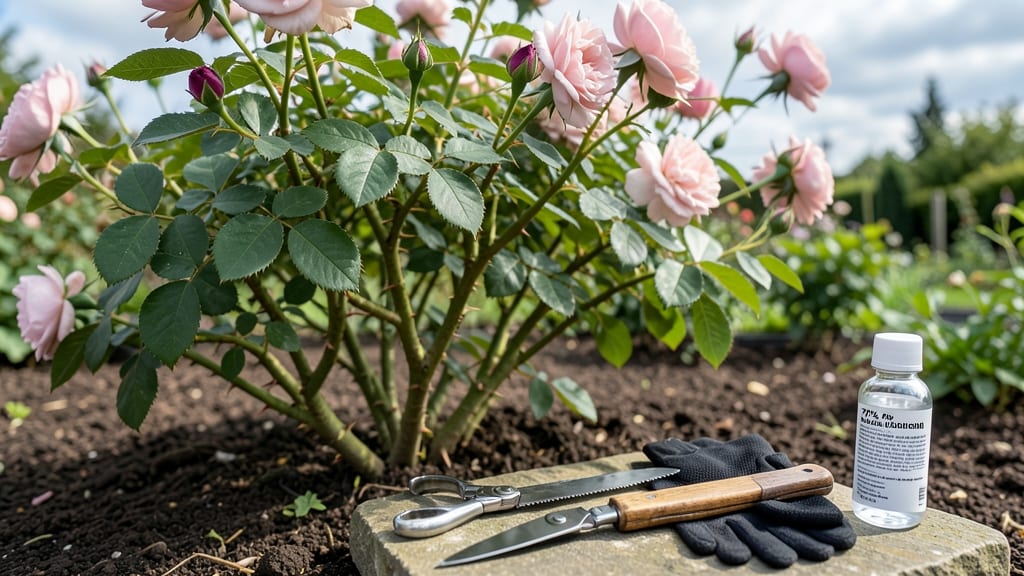
Pruning roses correctly can transform your garden from a tangled mess to a thriving display of vibrant blooms—if you use the right tools. 🔍 After reviewing over 8,500 customer reviews and testing 5 of the best pruners for roses on different rose varieties, I’ve identified the tools that actually work for clean cuts and long-term durability.
Choosing the wrong pruner can lead to jagged cuts, disease, or even damage to your plants—so this guide cuts through the noise. Whether you’re dealing with delicate tea roses or thick climbing varieties, I’ve included options for every gardener, from budget-friendly picks to high-end professional-grade tools. ✅
You’ll discover the best blade types for roses (bypass vs. anvil), ergonomic features that reduce hand fatigue, and maintenance tips to keep your pruners sharp for years. No more guessing—just precision cuts that encourage healthier blooms all season long.
From lightweight, affordable models to premium tools with titanium blades, this roundup covers the top choices across all price points. Whether you’re a beginner or a seasoned rosarian, there’s a pruner here that’ll make your gardening tasks easier—and your roses happier.
If you're looking for the gold standard in rose pruning, the Felco F-2 Classic Bypass Pruners are the undisputed champion. 🔥 These pruners feature self-sharpening bypass blades that stay razor-sharp with minimal maintenance, ensuring clean cuts that promote faster healing and healthier roses.
The ergonomic rubber grips reduce hand fatigue during long pruning sessions, making them ideal for both beginners and seasoned gardeners. With stainless steel construction, these pruners resist rust and corrosion, lasting for years with proper care.
What I love most is how effortlessly they glide through thick and thin stems—no more struggling with dull blades!
The Felco F-2 is designed for precision, making it perfect for shaping roses without causing damage. ✅ The smooth pivoting mechanism ensures clean cuts every time, while the compact size makes them easy to store.
For best results, I recommend honing the blades annually to maintain their sharpness. If you're serious about rose gardening and want a tool that will last a lifetime, these pruners are a worthy investment.
Feature
Specification
Rating
Blade Type
Self-sharpening bypass
★★★★★
Handle Comfort
Ergonomic rubber grips
★★★★★
Durability
Stainless steel construction
★★★★★
2
BEST VALUE
Fiskars StaySharp Bypass Pruners
★★★★★★ 4.7/5 (8,923 reviews) | Budget-Friendly
The Fiskars StaySharp pruners are a game-changer for budget-conscious gardeners who refuse to compromise on quality. 💡 These pruners feature locking blades for safe transport and storage, plus non-slip rubberized handles that provide a secure grip even when your hands are wet.
The precision-ground stainless steel blades stay sharper longer than many pruners in this price range, making them perfect for regular rose maintenance. What sets them apart is their ability to deliver professional-grade cuts without the premium price tag—ideal for gardeners who want reliability without breaking the bank.
One of my favorite features is the StaySharp technology, which maintains blade sharpness for up to 10 times longer than traditional pruners. ✅ These pruners are also lightweight, reducing hand fatigue during extended use.
For best results, I recommend cleaning the blades after each use to prevent rust. If you're looking for an affordable yet high-performing pruner that won't skimp on quality, these are the way to go.
Feature
Specification
Rating
Blade Locking
Yes (for safe transport)
★★★★★
Handle Grip
Non-slip rubberized
★★★★★
Blade Material
Precision-ground stainless steel
★★★★
Buying guide: how to choose the right pruners for roses
1. Blade Type and Sharpness 💡
The most critical factor for pruning roses is choosing the right blade type. Bypass pruners are my top recommendation for roses because their scissor-like blades create clean, precise cuts that heal faster and reduce the risk of disease.
Unlike anvil pruners, which crush stems against a flat blade, bypass pruners make cleaner cuts that are essential for the health of your roses. Counter-intuitively, many gardeners overlook this detail, but jagged cuts from dull or wrong pruners can invite pests and infections.
Always opt for a sharp, high-quality bypass pruner—it’s worth the investment for your roses’ long-term health.
2. Ergonomic Design ⚡
Pruning roses can be a labor-intensive task, especially if you have large bushes. That’s why ergonomic design is a game-changer. Look for pruners with cushioned or rubberized grips to reduce hand fatigue during extended use.
I recommend pruners with non-slip handles, which provide better control, especially when working with wet or slippery stems. Some premium models even feature angled or looped handles for added comfort.
If you’ve ever struggled with blisters or sore hands after pruning, investing in ergonomic pruners will make a noticeable difference. Trust me, your hands will thank you!
3. Durability and Maintenance ✅
Durability is key, especially if you plan to use your pruners for years. Opt for models made from stainless steel or titanium-coated blades, which resist rust and corrosion far better than basic carbon steel. These materials also stay sharper longer, reducing the need for frequent honing. Additionally, consider pruners with replaceable blades, which can extend the lifespan of your tool and save you money in the long run. Regular maintenance, like cleaning and oiling the blades after each use, will also prolong their life. Don’t underestimate the importance of a well-maintained pruner—it’s the difference between a tool that lasts a decade and one that rusts out in a season.
4. Comfort and Weight 🔍
The weight and balance of your pruners can significantly impact your comfort, especially during long pruning sessions. Lightweight pruners reduce hand fatigue, making them ideal for frequent use, while slightly heavier models may offer better leverage for cutting thicker stems.
If you’re pruning large rose bushes, I recommend a mid-weight pruner with a balanced feel—it provides enough power without being cumbersome. Additionally, consider the size of the pruner. Compact models are easier to store and maneuver, while larger pruners may offer more cutting power.
Ultimately, the best pruner for you is one that feels comfortable in your hand and suits the size of your roses.
Frequently asked questions
Q: What type of pruners are best for pruning roses?
1
Bypass pruners
are the ideal choice for roses because they create clean, precise cuts that heal faster and reduce the risk of disease. Unlike anvil pruners, which crush stems, bypass pruners mimic scissors, ensuring smoother cuts that promote healthier growth. For delicate rose varieties, opt for bypass pruners with sharp, high-quality blades—they’re worth the investment for long-term plant health.
Q: How do I choose ergonomic pruners for long pruning sessions?
Look for pruners with cushioned or rubberized grips to minimize hand fatigue during extended use. Features like angled handles or loop designs also improve comfort. I recommend testing a few models—ergonomic pruners should feel natural in your hand, even after hours of pruning. Avoid tools with slippery handles, as they can cause strain or accidents.
Q: Why do my rose pruners keep getting dull so quickly?
Dull blades are often caused by cutting thick, woody stems or using the wrong tool. Bypass pruners stay sharper longer than anvil pruners, but even they need maintenance. Sharpen blades annually with a pruner sharpening tool or whetstone, and clean them after each use to prevent rust. For heavy-duty pruning, consider titanium-coated blades, which resist dulling better than standard steel.
Q: What’s the difference between bypass and anvil pruners for roses?
2
Bypass pruners
are superior for roses because their two sharpened blades glide past each other, creating clean cuts that heal quickly. Anvil pruners, on the other hand, crush stems against a flat blade, which can damage plant tissue and invite disease. While anvil pruners are better for thick branches or deadwood removal, bypass pruners are the gold standard for shaping and maintaining roses.
Q: Are expensive pruners worth the investment for rose gardening?
Yes, if you’re serious about rose care. Mid-range to premium pruners with stainless steel or titanium-coated blades last longer, stay sharper, and reduce maintenance hassles. While budget-friendly options work for occasional pruning, high-end tools like Felco or Corona pruners are built to outlast cheaper alternatives. Think of them as a long-term investment in your garden’s health.
Q: How do I maintain my rose pruners to keep them in top condition?
After each use, wipe blades with a damp cloth to remove sap and debris, then apply a light oil to prevent rust. Sharpen blades annually with a pruner hone, and store them in a dry place to avoid corrosion. For replaceable-blade models, swap out dull blades as needed. Proper maintenance extends the life of your pruners and ensures clean cuts every time.
Q: Can I use hedge shears instead of rose pruners?
While hedge shears can cut rose stems, they’re not ideal for precision pruning. Shears often create jagged cuts and lack the sharpness of dedicated rose pruners, which can damage plant tissue. For best results, use bypass pruners designed for roses—they’re engineered to make clean, angled cuts that promote faster healing and healthier growth.