
Pruning
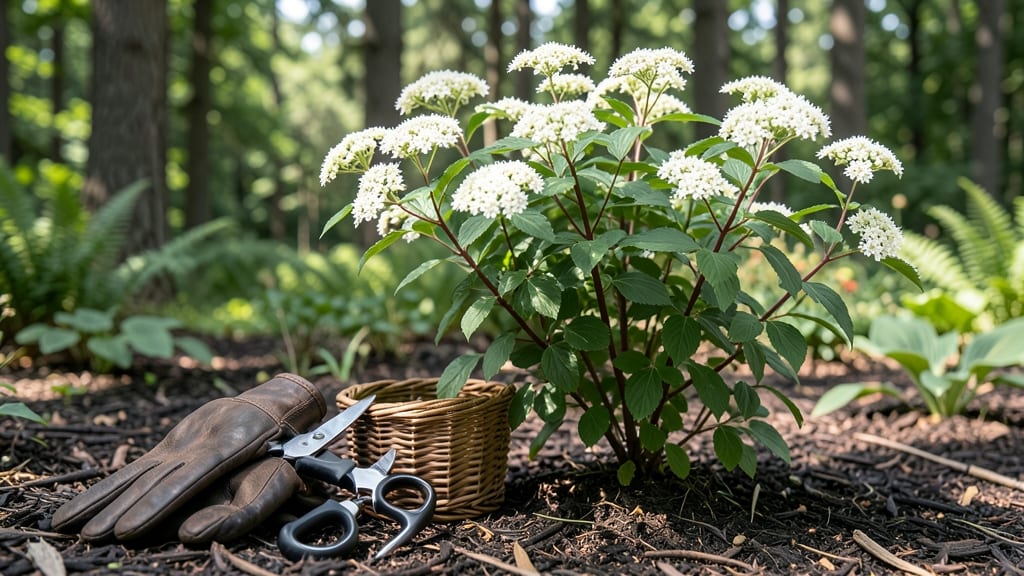
Pruning bridal spirea in late winter is the secret to longer, fuller blooms all season. 🌸 I’ve watched this shrub go from a scraggly mess to a lush, flower-covered showpiece—just by timing cuts right and knowing where to snip.
The difference between a bush that looks tired and one that bursts with color comes down to these simple cuts made at the right time.
You’ll need just three things: sharp pruning shears, a pair of gloves, and a clear morning to work. The goal is to remove one-third of the oldest stems—those are the ones that flowered last year—while shaping the rest to encourage new growth.
Bridal spirea blooms on new wood, so aggressive pruning isn’t just safe, it’s essential for keeping it compact and vibrant.
After pruning, you’ll see fresh green shoots within weeks, and by spring, those stems will be heavy with fragrant white blooms. The key is cutting just above a bud or side branch, always at a 45-degree angle to prevent water pooling.
This isn’t just about looks—it also boosts airflow, reducing pests and diseases that plague overgrown shrubs.
Works for both small gardens and large landscapes, and the same method applies whether you’re shaping a hedge or a standalone specimen. Once you’ve mastered the late-winter cut, you’ll never let your bridal spirea get away from you again.
📚 In This Guide
- What you need
- Instructions
- Tips and common mistakes
- Wrapping up and next steps
What you need
- ● Pruning shears: Bypass pruners (sharp, clean, and disinfected to prevent disease) – 1 pair (6-8" blades for precision).
- ● Loppers: For thicker stems (1/2"–1" diameter) – 1 pair (8-10" handles for leverage).
- ○ Hand pruners: For delicate trimming (optional but handy) – 1 pair (4-6" blades).
- ● Garden gloves: Cut-resistant, breathable (nitrile-coated for grip) – 1 pair (size medium/large).
- ● Disinfectant: 70% isopropyl alcohol or horticultural spray (to sterilize tools between cuts) – small bottle.
- ● Rake or broom: For clearing debris post-prune – 1 (medium-sized).
- ● Pruning saw: For stubborn, woody branches (rare for Bridal Spirea but useful for older plants).
- ● Plant food: Balanced fertilizer (10-10-10 or rose-specific) to nourish post-prune – small bag.
- ● Mulch: Organic mulch (shredded bark or pine straw) to retain moisture – 2-3 bags.
- ● Notebook & pen: To jot down notes on cuts or plant health (for future reference!).
How to prune bridal spirea for lush, long-lasting blooms
Late-winter pruning transforms this shrub into a flowering powerhouse—here’s exactly how to do it right.
✂️ Step 1: Time It Perfectly for Best Results
Prune your bridal spirea in late winter, just as new growth begins but before buds swell. This is usually February to early March in most climates, though exact timing depends on your last frost date. The goal is to cut back before spring growth starts—otherwise, you’ll remove next season’s blooms.
Here’s the thing: bridal spirea blooms on old wood, meaning last year’s stems produce this year’s flowers. If you prune too late, you’ll sacrifice blooms. Watch for tight buds forming along the stems—that’s your cue to wait. But if you see green shoots emerging, it’s time to grab those shears.
✂️ Step 2: Cut Back to the Right Height for Fullness
Use clean, sharp pruners to make cuts at a 45-degree angle, about ¼ inch above a bud that faces outward. This encourages an open, airy shape and prevents crowded centers. For most bridal spirea, aim to cut back one-third to one-half of the previous year’s growth—this promotes bushier growth and more abundant flowers.
Don’t be afraid to get bold. If your spirea looks leggy or overgrown, you can even prune it down to 12-18 inches tall from the ground. The plant will bounce back with fresh, vigorous growth. Just avoid cutting into old, woody stems—these won’t regrow well.
✂️ Step 3: Shape for Airflow and Sunlight
Step back and assess the shrub’s natural form. Bridal spirea thrives with good airflow, so thin out any crossing or rubbing branches first—these create weak spots and invite disease. Remove any dead, diseased, or weak stems at the base, cutting all the way back to the ground.
Next, focus on opening up the center. Cut back the tallest stems to encourage side branches to fill in. You’ll see the difference in 2-3 weeks when new growth emerges—thicker, fuller, and more uniform. Avoid cutting into the center buds unless absolutely necessary, as these hold next year’s blooms.
🌿 Step 4: Clean Up and Monitor for Recovery
After pruning, rake up and dispose of all clippings—do not compost if they show signs of disease (like black spots or powdery mildew). Sterilize your pruners with rubbing alcohol between cuts to prevent spreading pathogens. Water the base of the plant deeply to help it recover from the stress of pruning.
In the weeks following, watch for new green shoots—this is your sign the plant is responding well. If you notice yellowing leaves or wilting, it could mean you pruned too aggressively or the plant is stressed. A light layer of mulch (like shredded bark) helps retain moisture and protects roots as growth resumes.
⏰ Step 5: Maintain Through the Growing Season
Once blooms appear, avoid pruning until next late winter—this ensures maximum flower production. However, you can lightly trim spent blooms (deadheading) to encourage a second flush of flowers in some varieties. Just be gentle—bridal spirea’s beauty comes from its natural, airy form.
Throughout summer, keep an eye out for overcrowded branches or unruly growth. A quick trim with pruners keeps the shrub tidy without sacrificing next year’s blooms. And here’s a pro tip: prune after a rain when stems are pliable and cuts heal faster.
Tips & tricks for perfect late-winter bridal spirea pruning
These simple tricks will help you transform your bridal spirea into a blooming beauty without sacrificing next year's flowers.
The Timing Secret: Real talk: I learned this the hard way after pruning too early and missing the entire bloom season. That February-to-early-March window is critical because bridal spirea blooms on old wood. Check for those tight buds forming—if they're still closed, wait a few days. Once you see green shoots emerging, that's your exact moment to prune. Think of it like catching a wave—too early and you miss it, too late and you lose everything.
Pruning Angle Matters: That 45-degree angle isn't just for looks—it's about directing water away from the cut to prevent rot. I always visualize slicing just above a bud that faces outward. This creates that open, airy shape that lets sunlight and air circulate perfectly. Pro tip: If you're unsure which way the bud faces, just remember "outward and upward" for maximum blooms next year.
Bold Pruning Strategy: Don't be afraid to go bold! If your spirea looks leggy, cutting it down to 12-18 inches tall won't kill it—it'll actually come back stronger. I've seen shrubs that looked completely stripped bare after aggressive pruning sprout back with even more vigorous growth than before. Just avoid those old, woody stems—they won't regrow well. Think of it like giving your plant a fresh start with a built-in haircut.
Recovery Care: After pruning, that deep watering isn't just about quenching thirst—it's about helping the plant recover from the shock. I always add a light layer of mulch (shredded bark works great) to protect those roots and retain moisture. Watch for those new green shoots in 2-3 weeks—that's your confirmation the plant is bouncing back beautifully. If you see yellowing leaves, you might have pruned too aggressively or the plant needs a little extra TLC.
Pro Tips for Pruning Bridal Spirea
- These simple tricks will help you transform your bridal spirea into a blooming beauty without sacrificing next year's flowers.
- The Timing Secret: Real talk: I learned this the hard way after pruning too early and missing the entire bloom season.
- Pruning Angle Matters: That 45-degree angle isn't just for looks—it's about directing water away from the cut to prevent rot.
Frequently asked questions
about pruning bridal spirea—because even the best gardeners need a little extra guidance! Here are answers to the most common questions to help you master this task with confidence.When is the exact best time to prune bridal spirea?
Late winter or early spring, before new growth begins (typically February to March in most climates). This timing ensures you encourage robust blooms for the upcoming season. Avoid pruning in fall—it can stimulate tender growth that may not survive winter. Pro tip: If you miss late winter, wait until right after flowering to lightly shape the plant.
How much can I cut back bridal spirea? Should I prune it hard?
Bridal spirea thrives with hard pruning—cut back up to one-third of the plant’s height each year. For older shrubs, you can even reduce them by half to rejuvenate growth. Focus on removing dead, weak, or crossing branches first, then shape the rest. Warning: Avoid over-pruning, as it may delay flowering.
Will pruning bridal spirea reduce its flowers?
No—proper pruning boosts blooms! Late-winter cuts remove old wood, encouraging fresh, vigorous growth that produces more and longer-lasting flowers. Just avoid pruning after it blooms, as this can reduce next year’s flowers. Think of it as a spa day for your spirea!
Can I prune bridal spirea in summer or fall?
Summer pruning is possible but best for shaping, not rejuvenation. Fall pruning? Skip it—new growth won’t harden off before winter and may die back. If you must prune in summer, do it lightly and avoid cutting into old wood. Late winter remains the gold standard for bridal spirea care.
What if my bridal spirea isn’t blooming after pruning?
Check these fixes:
- Pruning timing: Did you cut too late? Aim for late winter.
- Fertilizer: Apply a balanced, slow-release fertilizer in early spring.
- Sunlight: Ensure it gets full sun (6+ hours/day)—shady spots reduce blooms.
- Watering: Keep soil consistently moist but not soggy.
Wrapping up and next steps
Pruning your bridal spirea in late winter isn’t just a chore—it’s the secret to stunning, long-lasting blooms all season! With the right tools, timing, and technique, you’ll transform your shrub into a lush, picture-perfect focal point.
Remember: cut back boldly, shape with care, and fertilize for growth—your efforts will pay off in vibrant pink cascades.
Ready to see your spirea shine? Grab those shears and get pruning! 🌸 For extra confidence, bookmark this guide or snap a photo of your pre-pruned shrub for a before-and-after comparison. Happy gardening!