
Pruning
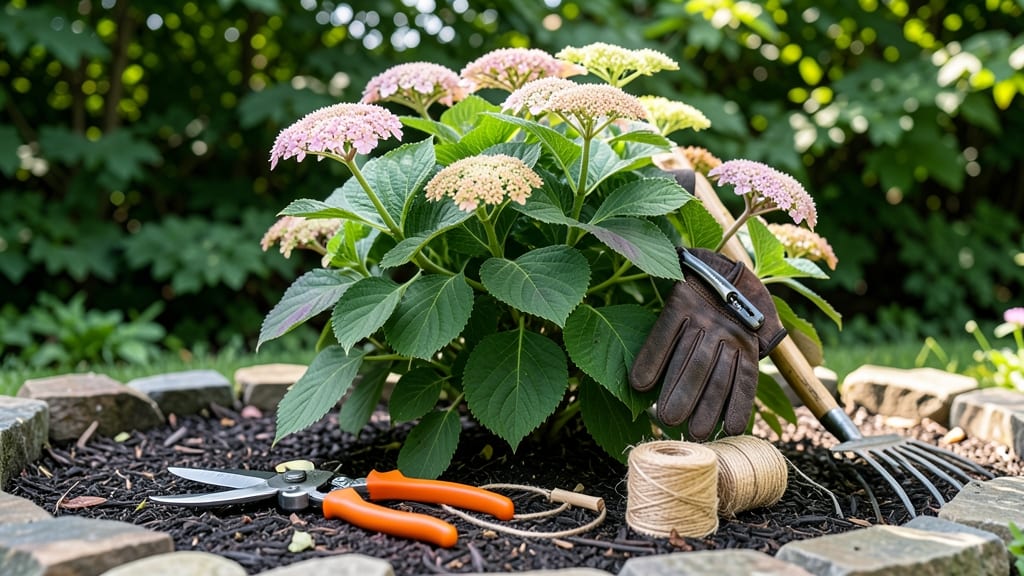
Pruning lacecap hydrangeas in late winter isn't just about shaping—it's about setting up next year's stunning flat-topped blooms. 🌸 I've spent years watching these plants transform from tangled messes into showstopping summer displays, and the secret is in the cuts you make now.
Most gardeners over-prune or cut at the wrong time, which means fewer flowers and more stress for the plant.
The right approach focuses on removing dead wood and thinning out crowded stems to improve airflow. You'll need sharp pruners, gloves, and a clear day to see the plant's structure.
Lacecaps bloom on old wood, so avoid heavy pruning—just trim back last year's growth by about 1/3 to encourage fresh, vibrant blooms without sacrificing next season's flowers.
By late spring, you'll see new growth emerging with energy, and those signature lacecap blooms will appear fuller and more dramatic. The key is patience—lacecaps reward careful pruning with bold, layered blooms that mopheads can't match. This method keeps your plant healthy and productive for years.
Works for both garden beds and containers, and the same principles apply whether you're pruning a single plant or a whole hedge. Here's how to do it without mistakes—trust me, your future self will thank you when those blooms appear.
📚 In This Guide
- What you need
- Instructions
- Tips and common mistakes
- Wrapping up and next steps
What you need
- ● Pruning shears: Sharp, bypass-style shears (4–6 inches) for clean cuts—1 pair is all you need!
- ● Garden gloves: Heavy-duty, nitrile-coated gloves (size medium/large) to protect from thorns and sap.
- ● Disinfectant: 70% isopropyl alcohol or a bleach solution (1 part bleach to 9 parts water) to sterilize tools between cuts.
- ● Rubbing alcohol or hand sanitizer: For quick tool disinfection on the go.
- ● Loppers: For thicker stems (if your hydrangea has stubborn branches).
- ● Pruning saw: Only if dealing with very thick wood (rare for lacecaps).
- ● Marking spray: Water-soluble paint to tag cuts for future reference.
- ● Compost bin: For collecting pruned stems (great for nutrient-rich mulch!).
- ● Know your lacecap hydrangea’s age—mature plants (3+ years) need late-winter pruning (Feb–March).
- ● Check the weather forecast—prune on a dry, mild day (40–60°F) to avoid stressing the plant.
- ● Have a clear plan: Sketch or mentally map out where you’ll cut to avoid over-pruning!
Instructions for pruning lacecap hydrangeas
Here's how I time my cuts to maximize next season's stunning blooms—no guesswork involved.
✂️ Step 1: Wait for the Right Time
Prune lacecap hydrangeas in late winter, ideally between mid-February and early March in most climates. This timing ensures you cut back after the plant's dormancy period but before new growth begins. You'll know it's the right moment when the ground is thawed but buds haven't yet swollen—look for tight, brown buds still attached to the stems.
If you prune too early, you risk damaging tender new growth that might emerge before the last frost. If you wait too long, you'll cut off next year's flower buds, which form on last year's growth. I always check the weather forecast for a 3-day dry spell before pruning—wet conditions make cuts heal more slowly.
✂️ Step 2: Identify and Remove Dead or Weak Wood
Start by examining each stem carefully. Remove any branches that are completely brown and brittle—these are dead and won't regrow. Cut these back to the main stem or to a healthy bud using clean, sharp pruners. I like to make my cuts at a 45-degree angle, about ¼ inch above a healthy bud or outward-facing leaf.
Next, look for stems that are thin, weak, or growing inward toward the center of the plant. These compete for energy with stronger growth and reduce airflow, which can lead to disease. Thin out about 20% of the oldest stems
Step back and visualize the plant's natural shape. Lacecaps develop their signature flat-topped blooms when they receive good airflow and sunlight. Cut back any stems that cross the center of the plant or grow inward, making sure to leave at least 3-5 strong stems per plant. I aim for an open, rounded shape that allows light to reach the center. For each remaining stem, trim back to just above a bud or leaf node that faces outward. Avoid cutting into the center of the plant—this creates a dense, shaded interior that can lead to mildew. If a stem is particularly long, you can make a secondary cut to shorten it further, but always leave at least 2-3 buds on each stem to encourage new growth. After pruning, rake up and dispose of all clippings—never leave them on the ground, as they can harbor pests and diseases. I also take this opportunity to add a 2-inch layer of mulch around the base of the plant to protect roots from temperature fluctuations and retain moisture. Avoid piling mulch against the stem, as this can cause rot. Water the plant deeply after pruning to help it recover. You'll notice new growth emerging from the buds within 2-3 weeks, signaling that the plant is healing. Keep an eye out for any signs of stress, like yellowing leaves or wilting, which can indicate over-pruning or disease. If you see these signs, adjust your care routine accordingly—lacecaps are resilient, but they do need consistent moisture and protection from harsh winds.✂️ Step 3: Shape the Plant for Airflow and Light
✂️ Step 4: Clean Up and Prepare for New Growth
Tips & tricks for pruning lacecap hydrangeas
Here’s what nobody tells you about pruning lacecap hydrangeas—that the little details make all the difference between a plant that thrives and one that struggles.
Timing is Everything: The mid-February to early March window is non-negotiable for lacecaps. I learned this the hard way after pruning too early one year and watching delicate new shoots freeze in a late frost. If you miss this window, you risk cutting off next year’s blooms, which form on last year’s growth. Pro tip: Mark your calendar now—set a reminder for February 15th, and adjust based on your local frost dates. A quick online search for your USDA hardiness zone will give you the exact timing for your area.
The 45-Degree Angle Secret: When you make your cuts in Step 2, that 45-degree angle isn’t just for looks—it’s about water runoff. A sloped cut prevents water from pooling at the base of the stem, which reduces rot risk. I use a small notched pruner to create this angle effortlessly. Also, always cut just above a bud or outward-facing leaf—this ensures new growth will shoot in the right direction, away from the center of the plant.
Shape Matters More Than You Think: In Step 3, when you’re shaping your plant, think of it like styling a haircut—you want volume and airflow. I like to leave 3-5 strong stems as my “framework,” then thin out the rest to create an open, rounded shape. This isn’t just about looks; lacecaps need sunlight to reach their centers to produce those signature flat-topped blooms. If you’re unsure which stems to keep, imagine looking at the plant from above—you want to see an open “doughnut” shape with light in the middle.
Post-Pruning Care Can’t Be Overlooked: After you’ve finished pruning, that 2-inch layer of mulch isn’t just decorative—it’s insulation. I’ve seen plants recover beautifully after pruning because of this simple step, especially in colder climates. And that deep watering? It’s not just about hydration—it’s about helping the plant establish new roots quickly. I always water again 10 days after pruning to give those new buds a strong start. Watch for new growth in 2-3 weeks—if you don’t see any by then, it might be time to check your pruning technique or soil health.
Pro Tips for Pruning Lacecap Hydrangeas
- Here’s what nobody tells you about pruning lacecap hydrangeas—that the little details make all the difference between a plant that thrives and one that struggles.
- Timing is Everything: The mid-February to early March window is non-negotiable for lacecaps.
- The 45-Degree Angle Secret: When you make your cuts in Step 2, that 45-degree angle isn’t just for looks—it’s about water runoff.
Frequently asked questions
about pruning lacecap hydrangeas—because even pros need a little clarity! Here are answers to the most common questions to keep your blooms looking their best.When is the absolute latest I can prune lacecap hydrangeas?
Prune lacecap hydrangeas late winter to early spring (just before new growth starts, typically February–March in most climates). Avoid pruning after early spring—new buds form on old wood, and cutting too late risks removing next year’s flowers. If you miss the window, wait until after blooming to do minimal cleanup.
What if I accidentally cut off too many buds?
Don’t panic! Lacecaps are forgiving. If you’ve trimmed back too much, focus on removing only dead/diseased wood and shaping lightly. Next year, you’ll likely see fewer but larger blooms—just give it time. For severe over-pruning, fertilize lightly in spring to encourage recovery.
Can I prune lacecap hydrangeas in fall?
No—fall pruning is a big no for lacecaps! Pruning now removes next year’s flower buds (which form on old wood) and invites pests/disease. Instead, wait until late winter or do light cleanup only (removing dead stems) after blooming. Think of fall as a "hands-off" season!
Do I need to prune lacecaps if they’re already small?
Yes! Even small lacecaps benefit from selective pruning to improve airflow and shape. Focus on:
- Removing dead or crossing branches (even 1–2 inches helps).
- Thinning out crowded stems to 1/3 of the plant’s size.
- Avoiding heavy cuts—lacecaps reward gentle shaping.
What’s the difference between pruning lacecaps and mophead hydrangeas?
Big difference! Lacecaps bloom on old wood (last year’s growth), so prune lightly in late winter. Mopheads (like ‘Endless Summer’) bloom on new wood, so you can prune harder in late winter/early spring without risk. Lacecaps = precision cuts; mopheads = bold reshaping.
Wrapping up and next steps
Pruning lacecap hydrangeas in late winter is your secret weapon for show-stopping blooms next season! 🌸 By following the right steps—like cutting back just above the first set of buds and avoiding over-trimming—you’ll encourage lush, healthy growth. Remember, patience and precision pay off, so don’t rush the process.
Now that you’re armed with the know-how, grab your pruners and get to work! For extra confidence, snap a photo of your hydrangea before and after pruning to track its transformation. Happy gardening—your future floral masterpiece awaits! 🌿