
Pruning
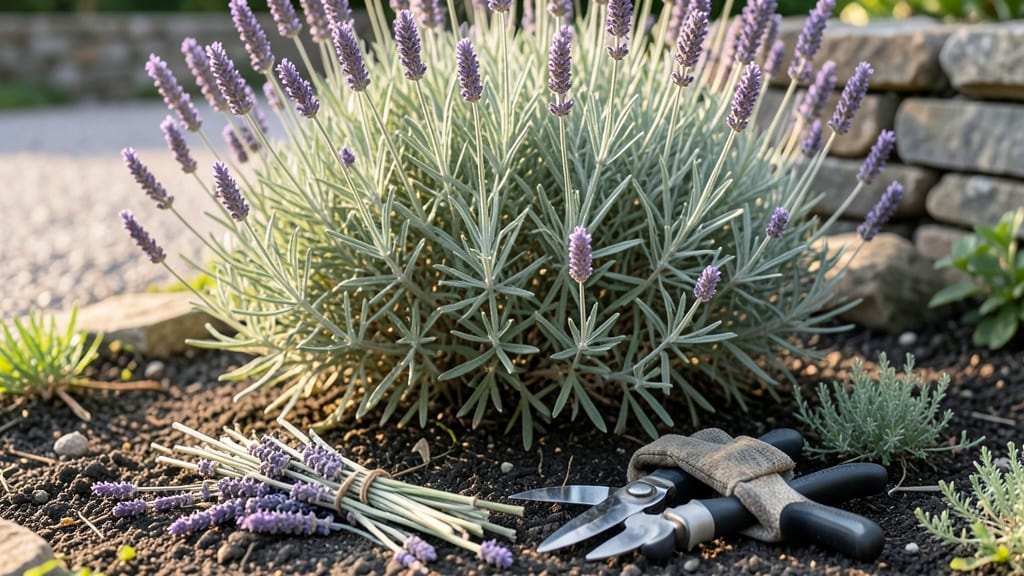
Pruning lavender in autumn is the secret to vibrant spring blooms—and I’ve learned the hard way why skipping it ruins next year’s fragrance. 🌿 After my first lavender plant turned woody and sparse after years of neglect, I dug into the science and now prune every fall.
The key? Timing it right after flowering, when the plant’s energy shifts toward root growth instead of blooms.
You’ll need just three tools: sharp bypass pruners (dull blades tear stems), gloves (lavender spikes!), and a clean bucket for clippings. The goal isn’t to make it look neat—it’s to remove one-third of last year’s growth while keeping the plant’s natural shape.
Over-pruning in autumn stresses lavender, so think “light trim,” not “haircut.”
By late autumn, you’ll see fresh green shoots pushing through next spring, while the plant’s woody base stays sturdy. The fragrance? Twice as strong because healthy growth means more essential oils. Plus, you’ll avoid the heartbreak of leggy, flowerless stems—my old mistake that took three years to fix.
This works for all lavender types, from English lavender to Spanish varieties, and even container-grown plants. Just adjust the timing slightly for your climate—cooler zones can prune a bit later. Let’s get those shears ready!
📚 In This Guide
- What you need
- Instructions
- Tips and common mistakes
- Wrapping up and next steps
What you need
- ● Pruning shears: Sharp, bypass-style shears (2–4 inches long) for clean cuts. Avoid anvil shears—they crush stems.
- ● Hand pruners: For smaller branches or tight spaces (pair with gloves for grip).
- ● Gloves: Heavy-duty, gardening gloves (waterproof if possible) to protect from thorns and sap.
- ● Disinfectant: 70% rubbing alcohol or bleach solution (1 part bleach to 9 parts water) to sterilize tools between cuts.
- ● Bucket or trash bag: For clippings (1–2 gallons capacity). Lavender trimmings can be composted only if disease-free.
- ● Measuring tape or ruler: To check pruning height (aim for 1/3 of the plant’s height, max 3–4 inches).
- ● Loppers: For mature lavender bushes with thick stems (8–12 inches long).
- ● Knee pads: If you’re kneeling often—your back will thank you!
- ● Plant marker or stakes: To label pruned plants if you have multiple varieties.
- ● Hose with spray nozzle: For a quick rinse of tools and hands post-pruning.
- ● Mulch: Organic mulch (e.g., straw or pine needles) to protect the base after pruning.
Step-by-Step instructions for pruning lavender in autumn
Here's how to refresh your lavender bushes this fall for stronger growth and bigger blooms next spring.
✂️ Step 1: Time Your Prune for After First Frost
Wait until after your first light frost—typically in late October or November—when lavender leaves turn yellowish-brown. This signals dormancy, when the plant has stored energy in its roots and is ready for a haircut. I always check by gently tugging a stem; if it snaps easily, it's time. Pruning too early stresses the plant, while waiting too long risks winter dieback.
Work on a dry, sunny day when temperatures are above 40°F. The crisp air helps prevent fungal issues, and sunlight keeps the plants from getting chilled. Grab your pruners and gloves—lavender stems are sharp and can scratch. I like to wear long sleeves too, since the stems have tiny hairs that can irritate skin.
✂️ Step 2: Shape the Bush with Clean, Sloped Cuts
Stand back and assess the plant's natural shape. Lavender grows in a rounded form, so aim to maintain that silhouette. Using sharp pruners, cut back one-third of the previous year's growth—this encourages dense, bushy growth. Make cuts at a 45-degree angle just above a leaf node or side shoot to promote branching.
I avoid cutting into old, bare wood at the center, as lavender doesn't regrow from there. Instead, focus on the outer stems. If you see any leggy or woody stems, trim them back to the base. This prevents the plant from becoming too woody and sparse over time. Think of it like giving your lavender a "haircut" that reveals its best shape.
🌿 Step 3: Remove Dead or Diseased Wood
Scan the plant for any brown, mushy, or hollow stems—they’re dead or infected and need removal. Cut these out completely at the base, using clean pruners to avoid spreading disease. Healthy lavender stems should be firm and green beneath the bark. If you find any blackened or moldy spots, wipe your pruners with rubbing alcohol between cuts.
This is also the time to thin out crowded stems in the center. Lavender needs airflow to prevent fungal issues, so don’t leave a dense, tangled mess. I like to leave about 3-4 inches between stems for good circulation. After trimming, rake up any debris around the base—this reduces hiding spots for pests and diseases over winter.
⏰ Step 4: Mulch and Water for Winter Protection
Once pruned, spread a 2-3 inch layer of mulch around the base of the plant, keeping it 3 inches away from the stems to prevent rot. I use coarse wood chips or gravel, which allows water to drain while insulating roots. Avoid fine mulch, as it can smother the plant and trap too much moisture.
Water deeply after pruning to help the plant recover, but avoid overwatering—lavender hates soggy roots. A 1-inch soak is enough. After that, only water if the ground stays dry for weeks, as winter rains usually provide enough moisture. In very cold climates, consider wrapping young plants with burlap to protect them from harsh winds.
☀️ Step 5: Monitor for Spring Growth Signals
In early spring, check for new green growth at the base of the stems. This confirms the plant is alive and ready to bloom. If you see no new growth by late February, the plant may have died back too much and could be replaced. Healthy lavender should push out fresh shoots within 4-6 weeks of pruning.
Once new growth appears, you can apply a balanced fertilizer (like 10-10-10) in early spring to encourage robust blooming. Avoid heavy fertilizers, as lavender prefers lean, well-drained soil. With proper autumn pruning, your lavender will reward you with stronger stems, more flowers, and longer vase life next season.
Tips & tricks for pruning lavender in autumn
Here's what I learned after years of pruning lavender—these little details make all the difference for next spring's blooms.
Timing is Everything: The 40°F minimum temperature isn't just a suggestion—it's critical for preventing fungal infections. I've seen lavender plants develop mold after pruning in cooler conditions, so always check your local frost dates. If you're in a warmer climate where frost doesn't occur, aim for when your lavender naturally begins its dormancy cycle, usually when new growth slows in late fall.
Pruner Prep Matters: Clean, sharp pruners are non-negotiable. I disinfect mine with rubbing alcohol between cuts (as mentioned in Step 3), but I also recommend oiling them after each use to prevent rust. Dull pruners crush stems instead of making clean cuts, which stresses the plant. For large bushes, consider using hedge shears for the outer shape, then switching to pruners for detail work.
Shape with Purpose: When maintaining that rounded silhouette in Step 2, visualize the plant's natural growth pattern. The 45-degree angle cuts aren't just for looks—they help water run off better and prevent rot. I like to step back every few cuts to check the overall shape against a clear blue sky (the contrast makes it easier to spot uneven areas). This also helps you see if you've accidentally cut too much from one side.
Mulch Like a Pro: That 2-3 inch layer of mulch should be spread in a gentle slope away from the stems, not piled up against them. I use pine bark fines because they break down slowly and improve soil structure over time. For container-grown lavender, I actually skip mulch entirely—it can hold too much moisture around the roots, which is especially problematic in pots where drainage is already a concern.
Pro Tips for Pruning Lavender In Autumn
- Here's what I learned after years of pruning lavender—these little details make all the difference for next spring's blooms.
- Timing is Everything: The 40°F minimum temperature isn't just a suggestion—it's critical for preventing fungal infections.
- Pruner Prep Matters: Clean, sharp pruners are non-negotiable.
Frequently asked questions
about pruning lavender in autumn—because even expert gardeners have doubts! Here are answers to the most common queries to help you prune with confidence.When is the exact best time to prune lavender in autumn?
Prune lavender in late autumn (October–November in most U.S. zones) after the first hard frost but before new growth starts. This timing ensures the plant enters dormancy with clean stems, reducing winter dieback. Avoid pruning too early—lavender needs time to harden off!
How much should I cut back lavender in autumn?
For established lavender, trim 1/3 of the plant’s height (about 2–4 inches) to encourage bushier growth. Never cut into old wood—always leave green stems to protect the plant. Over-pruning can stress lavender, so err on the side of caution!
What if I miss autumn pruning? Can I prune lavender in winter?
Yes, but lightly! If you skip autumn, prune in early spring (March) before new shoots appear. Avoid heavy winter cuts—frost can damage exposed stems. Think of it as a "catch-up" trim, not a full reset.
My lavender looks leggy after autumn pruning. Did I do it wrong?
Leggy growth is normal if you pruned too late or too aggressively. Next time, focus on shaping (not just height) and prune in early autumn. Use sharp shears to make clean cuts at a 45° angle. Mulch well afterward to support recovery!
Should I fertilize lavender after autumn pruning?
No—lavender thrives in poor soil. Fertilizing can encourage weak, floppy growth. Instead, add a thin layer of compost (1 inch) around the base in spring. Overfeeding is the #1 mistake for lavender lovers!
Wrapping up and next steps
Pruning lavender in autumn is your secret weapon for vibrant spring blooms—it’s all about timing, technique, and a little TLC! 🌿 By trimming back one-third of the plant before winter sets in, you’re encouraging stronger growth and preventing woody stems.
Remember, sharp tools, clean cuts, and patience are your best friends here.
Now that you’re armed with the know-how, roll up your sleeves and give your lavender the care it deserves. Next, why not explore how to mulch or protect your lavender from winter’s chill? Your fragrant, flourishing garden is just a few snips away! ✨