
Pruning
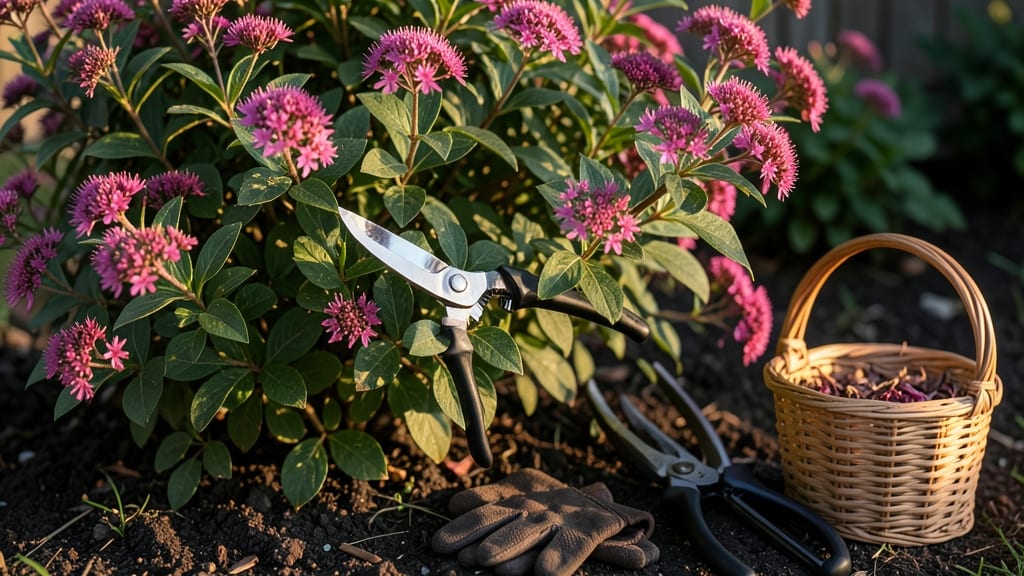
Pruning Spiraea japonica transforms it from a tangled mess into a showstopping shrub with vibrant blooms—and it only takes three cuts. ✂️ I’ve revived multiple overgrown specimens in my yard using this method, and the difference in health and flowers is dramatic. The key?
Timing, technique, and knowing which stems to keep (and which to cut back hard). Most gardeners wait until spring, but late winter is actually the best time—before new growth starts. You’ll need sharp pruners, gloves (some varieties have thorns), and a clear vision of your shrub’s natural shape.
The goal isn’t perfection; it’s encouraging fresh, strong growth where the old wood was crowded or dead. After pruning, your spiraea will burst with new pink or white blooms in just a few weeks. The foliage stays lush, and the plant resists pests better because it’s not struggling with overgrowth.
Just avoid cutting into old wood—it won’t regrow—and never prune after mid-summer, or you’ll sacrifice next year’s flowers. This method works for all Spiraea japonica varieties, from dwarf ‘Little Princess’ to towering ‘Goldflame.’
Whether you’re shaping a hedge or reviving a neglected shrub, these cuts will make it look like a pro did it—without the guesswork.
📚 In This Guide
- What you need
- Instructions
- Tips and common mistakes
- Wrapping up and next steps
What you need
- ● Pruning shears (bypass or anvil type) – Choose sharp, clean shears (4-6 inch blades) for precise cuts. Bypass shears are ideal for clean cuts.
- ● Loppers (18-24 inch) – For thicker branches (½ inch or larger). Opt for ratcheting loppers for extra leverage.
- ● Hand pruners (bypass type) – For smaller stems and detailed trimming (3-4 inch blades). Must be sterilized with rubbing alcohol.
- ● Gloves (gardening or leather) – Protect your hands from thorns (even if thornless, some varieties have prickly stems). Water-resistant gloves are a plus.
- ● Disinfectant (rubbing alcohol or 10% bleach solution) – Clean tools between cuts to prevent disease spread.
- ● Heavy-duty trash bags or bucket – For collecting pruned branches (10-20 gallon capacity recommended).
- ○ Marking twine or flags – Optional but helpful for labeling cuts if pruning in stages.
- ● Pole saw (for tall varieties) – Extendable reach (8-12 feet) for hard-to-access branches.
- ● Safety glasses – Protects eyes from debris, especially when using loppers.
- ● Knee pads or stool – For comfort during long pruning sessions.
- ○ Pruning sealant (optional) – For large cuts (½ inch+) to prevent disease entry (e.g., Tanglefoot Tree Wound Pruning Seal).
- ● Notebook & pencil – To sketch your pruning plan or track progress.
Step-by-Step instructions for pruning Spiraea japonica
Revive your thornless beauty with these straightforward cuts—no guesswork, just results.
✂️ Step 1: Time Your Prune for Optimal Growth
Prune your Spiraea japonica immediately after flowering, typically in late spring to early summer. This timing ensures you remove spent blooms while leaving next year's buds intact. I always wait until after the first flush of flowers has faded—usually 6-8 weeks post-bloom—because the plant sets its flower buds on new growth formed after pruning.
Never prune in fall or winter, as this removes next year's blooms before they form. If you missed the spring window, wait until mid-summer, but expect fewer flowers the following season. The key visual cue is watching the flowers drop completely—only then should you reach for the shears.
🌿 Step 2: Remove Dead, Diseased, or Weak Wood First
Start by eliminating any dead, diseased, or crossing branches at their base. These are easy to spot—they'll be brown and brittle, or rubbing against other stems. I use sharp bypass pruners to make clean cuts at a 45-degree angle, about ¼ inch above a healthy bud facing outward. This prevents water from pooling and causing rot.
For diseased branches, sterilize your tools with 70% isopropyl alcohol between cuts to prevent spreading pathogens. If you see signs of powdery mildew or leaf spot, prune these branches first and dispose of them in the trash—not the compost. Healthy wood should have a vibrant green color and firm texture when squeezed gently.
✂️ Step 3: Thin the Canopy for Airflow and Light
Step back and assess the plant's overall shape. Your goal is to create an open, airy structure that lets sunlight penetrate to the center. Remove 1/3 of the oldest stems at ground level—these are typically the thickest, woody branches. Cut them back completely to encourage vigorous new growth from the base.
For remaining branches, look for those growing inward or crossing others. Make your cuts just above an outward-facing bud to maintain an open center. I like to visualize the plant as a vase shape—wide at the bottom, narrowing slightly toward the top. This prevents the dense, leggy growth that makes spiraea look tired.
🌱 Step 4: Shape for Balance and Next Year's Blooms
Now it's time to refine the plant's form. Focus on creating a natural, rounded silhouette rather than a geometric shape. Use hand pruners for branches thicker than ½ inch and loppers for anything larger. Always cut just above a bud or lateral branch to encourage branching and flowering.
For a more formal look, you can lightly trim the tips of remaining branches to encourage bushier growth. But here's the thing—spiraea responds best to minimal intervention. Over-pruning leads to sparse foliage and fewer flowers. Step back frequently and ask yourself, "Does this cut improve airflow or light penetration?" If not, leave it.
💧 Step 5: Clean Up and Monitor Recovery
After pruning, remove all debris from the base of the plant and surrounding area. This prevents fungal diseases from taking hold. Water deeply within 24 hours to help the plant recover from stress. You'll notice new growth emerging from the base within 3-4 weeks, signaling successful pruning.
For the first 2 weeks, keep an eye out for signs of stress like wilting or yellowing leaves. This is normal as the plant adjusts. If you see excessive dieback, you may have pruned too aggressively. Next season, lighten your cuts by 20-30%. The goal is a gradual revival, not a dramatic transformation overnight.
Tips & tricks for pruning Spiraea japonica
These simple yet powerful techniques will keep your thornless beauty thriving for years—without the guesswork.
Timing is Everything: The 6-8 week window after flowering is non-negotiable for bud formation. I've learned this the hard way—pruning too early removes next year's blooms before they form. Mark your calendar right after the first flowers fade completely. For those who miss the spring window, mid-summer pruning works but sacrifices next year's floral display.
The 45-Degree Angle Secret: In Step 2, that precise 45-degree cut above a healthy bud isn't just aesthetic—it's about water runoff. I've seen too many pruning sites develop rot from improper cuts. Use a sharp bypass pruner to make clean cuts, and always cut just above an outward-facing bud to encourage new growth in the right direction. This small detail makes all the difference in your plant's recovery.
Visualize the Vase Shape: When thinning in Step 3, step back frequently to check your progress. The ideal shape should resemble an inverted vase—wider at the base, gradually narrowing toward the top. This creates the perfect airflow while maintaining that lush, full appearance. I find it helpful to sketch a quick outline before I start cutting to guide my decisions.
Recovery Checklist: After pruning, your 24-hour watering and 2-week monitoring period are critical. I've seen plants recover beautifully when given this attention, but also seen others struggle when rushed. Look for new growth emerging from the base within 3-4 weeks—that's your sign everything's on track. If you notice excessive dieback after 2 weeks, you may have been too aggressive next season—scale back by 20-30%.
Pro Tips for Pruning Spiraea Japonica
- These simple yet powerful techniques will keep your thornless beauty thriving for years—without the guesswork.
- Timing is Everything: The 6-8 week window after flowering is non-negotiable for bud formation.
- The 45-Degree Angle Secret: In Step 2, that precise 45-degree cut above a healthy bud isn't just aesthetic—it's about water runoff.
Frequently asked questions
Got questions about pruning Spiraea japonica? You’re not alone! Here are answers to the most common concerns—so you can tackle your thornless beauty with confidence.
When is the best time to prune Spiraea japonica?
Prune your Spiraea japonica in late winter or early spring (before new growth starts) for the cleanest results. Avoid pruning in fall, as it can stimulate tender new growth that may not survive winter. If you must prune later, do it right after flowering to avoid cutting off next year’s blooms.
How much can I cut back my Spiraea japonica?
You can safely prune up to ⅓ of the plant’s height without harming it. For rejuvenation, cut back old, woody stems to the ground while leaving younger stems (they’ll produce fresh blooms). Avoid over-pruning—this shrub thrives on a balanced cut!
What if I prune at the wrong time and my shrub looks sad?
Don’t panic! If you prune too late (after flowering), your Spiraea japonica may look bare, but it’ll bounce back. Focus on removing dead or diseased branches first, then shape it lightly. Fertilize lightly in spring to encourage new growth. Most shrubs are resilient!
Will pruning affect next year’s flowers?
Pruning Spiraea japonica after flowering won’t hurt next year’s blooms—its flowers grow on new wood. However, if you prune before flowering, you’ll sacrifice that season’s blooms but encourage a fuller, bushier plant long-term. Timing is key!
Are there alternatives if I hate pruning?
Yes! If pruning feels daunting, try these low-maintenance options:
- Leave it alone: Spiraea japonica tolerates minimal pruning—just remove dead branches occasionally.
- Mulch well: A thick layer of mulch suppresses weeds and retains moisture, reducing stress.
- Choose a different variety: Some, like ‘Goldflame’, are more forgiving with less frequent pruning.
Wrapping up and next steps
Pruning your Spiraea japonica doesn’t have to be intimidating—just three thoughtful cuts can transform it into a lush, thriving shrub! 🌿 With the right tools, timing, and technique, you’ll encourage vibrant blooms and a tidy shape while keeping pests at bay. Remember, patience and precision are your best friends here.
Ready to give your shrub a fresh start? Grab your pruners, mark those cuts, and enjoy the satisfaction of a well-maintained garden oasis! Next, why not explore seasonal care tips to keep your Spiraea japonica looking its best year-round?