
Pruning
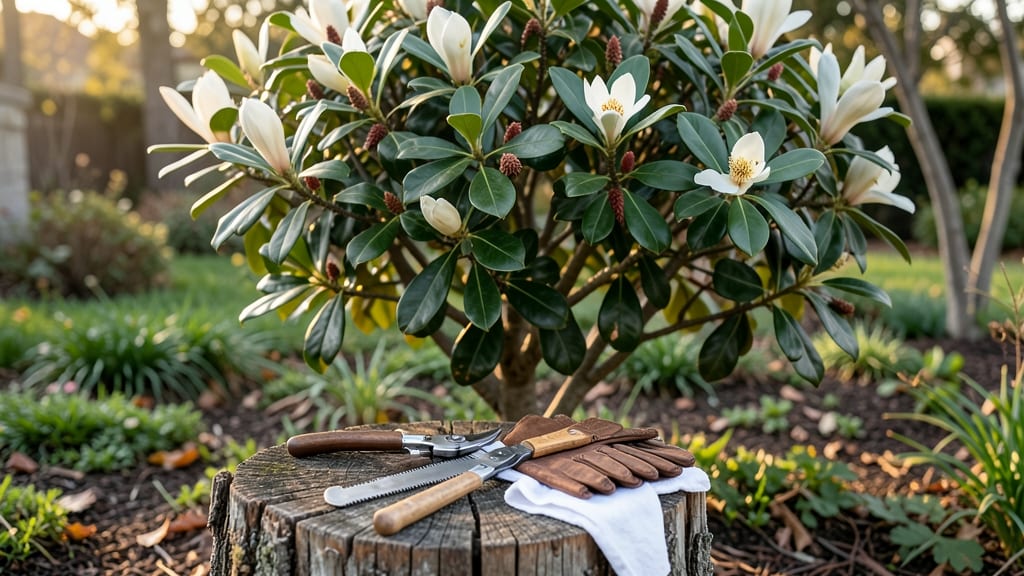
Pruning sweetbay magnolias isn’t just about shaping—it’s about unlocking that signature fragrance and keeping your tree thriving for decades. 🌿 I’ve watched mine go from a scraggly mess to a lush, blooming centerpiece after learning the right timing and techniques.
The key is working with the tree’s natural growth patterns, not against them.
You’ll need just a few tools: sharp pruning shears for small branches, loppers for thicker stems, and gloves to protect from those occasional thorns. Timing matters most—late winter or early spring is ideal, when the tree is dormant but about to burst with new growth.
This is when you’ll see the most dramatic improvement in airflow and future blooms.
Start by removing any dead, damaged, or crossing branches first—these are the easy wins. Then, thin out the canopy by cutting back about one-third of the oldest growth to encourage fresh, fragrant new shoots.
The goal is to open up the center so sunlight reaches all parts of the tree, which means more blooms and fewer pests.
After pruning, give your sweetbay magnolia a deep watering to help it recover. Avoid heavy pruning in late summer or fall, as this can stress the tree before winter.
With the right cuts and care, you’ll have a tree that’s not just beautiful, but bursting with that intoxicating spring fragrance for years to come.
📚 In This Guide
- What you need
- Instructions
- Tips and common mistakes
- Wrapping up and next steps
What you need
- ● Pruning shears: Bypass pruners (for small branches, ¼”–¾” thick)
- ● Loppers: 1 pair (for medium branches, ¾”–2” thick)
- ● Pruning saw: 1 (for thick branches, 2”+ thick; bow saw or folding saw recommended)
- ● Disinfectant: 70% isopropyl alcohol or bleach solution (1 part bleach : 9 parts water) (to sterilize tools)
- ● Gloves: Heavy-duty gardening gloves (to protect from thorns/sap)
- ○ Extension pole: Optional (for high branches; 3–6 ft telescoping pole)
- ● Trash bags: 2–3 (for debris; heavy-duty for wet branches)
- ● Hand pruners: Compact pair for precision trimming
- ● Tree wound dressing: Not recommended (Sweetbay Magnolias heal naturally)
- ● Ladder: Sturdy, non-slip (for tall trees; 3–4 ft max height)
- ● Sharpener: File or pruner sharpener (to maintain tool edges)
Step-by-Step instructions for pruning sweetbay magnolias
Here’s how I keep these fragrant beauties thriving year-round with minimal stress.
✂️ Step 1: Prune Immediately After Flowering
Sweetbay magnolias bloom in late spring, so I prune right after flowers fade—usually May or June. This timing prevents cutting off next year’s buds while removing spent blooms and shaping the plant. I start by removing any dead, diseased, or crossing branches first. These are easy to spot—they’re brown, brittle, or rub against other branches.
Use clean, sharp pruners to make cuts just above a leaf node or outward-facing bud. This ensures new growth emerges in the right direction. Avoid cutting into old wood; sweetbay magnolias bloom on new growth, so pruning too late in the season risks losing next year’s flowers.
✂️ Step 2: Thin the Canopy for Airflow
Sweetbay magnolias develop dense foliage, which can trap moisture and encourage fungal diseases. I focus on thinning the center of the plant first, removing up to 25% of the canopy if needed. Look for branches that cross or grow inward—they compete for sunlight and weaken the plant.
Cut these branches back to the main trunk or a strong lateral branch. This opens up the center, allowing sunlight and air to circulate. You’ll notice the plant’s overall shape becomes more balanced, and new growth fills in gaps naturally. Avoid over-thinning, though—these trees rely on their dense foliage for fragrance and shade.
✂️ Step 3: Shape and Control Growth in Late Summer
In August or early September, I do a lighter pruning to refine the tree’s shape. This is when sweetbay magnolias put on new growth, so I focus on trimming back any overly long or leggy branches. I also remove any suckers—those unwanted shoots sprouting from the base or along the trunk.
Use hand pruners for smaller branches and loppers for thicker ones. Make cuts at a 45-degree angle just above a bud or leaf node. This step keeps the tree compact and encourages bushier growth. Avoid heavy pruning now—it can stimulate tender new growth that won’t survive winter.
✂️ Step 4: Light Cleanup in Winter
During dormant months (December–February), I do a final cleanup pass. This is when I remove any dead, broken, or weak branches that might have formed over the past year. Winter pruning is less about shaping and more about maintaining the tree’s health.
I also check for any signs of disease or pest damage, like holes in leaves or discolored branches. If I spot anything, I remove those branches immediately and dispose of them far from the tree. This prevents pests or diseases from spreading when the tree wakes up in spring.
⏰ Step 5: Avoid Pruning in Fall
Here’s the thing—never prune sweetbay magnolias in fall. Fall pruning stimulates new growth that won’t harden off before winter, leaving the tree vulnerable to frost damage. If you must prune, wait until late winter or early spring, just before buds swell.
If you accidentally prune too late in the season, don’t panic. Just focus on keeping the tree healthy with proper watering and mulching. The following year, adjust your timing and stick to the spring or summer schedule. Sweetbay magnolias are forgiving, but consistency is key for long-term health.
Tips & tricks for pruning sweetbay magnolias
Took me years to figure out these little details that make all the difference with sweetbay magnolias.
Timing is Everything: The May-June window for Step 1 is critical because sweetbay magnolias bloom on new growth. If you prune too late, you risk cutting off next year's flowers entirely. I mark my calendar with the first frost date and count backward—this helps me remember the exact timing. The flowers typically fade within 2-3 weeks after blooming, so that's when I schedule my pruning.
Tool Prep Matters: Before you even touch the tree, sterilize your pruners with rubbing alcohol. I do this between every 3-4 cuts when working with multiple trees to prevent disease spread. Also, make sure your blades are sharp—dull tools crush branches instead of making clean cuts, which invites infections. I test sharpness by cutting a small twig; if it tears, the blades need honing.
Visual Cues for Pruning: In Step 2 when thinning the canopy, look for branches that create a "V" shape when they cross. These are prime candidates for removal. Another trick: hold your hand out at arm's length and look at the tree. If you can't see through the center, you likely need to thin more. The goal is to create a balanced silhouette where sunlight can reach all parts of the tree.
Seasonal Considerations: For Step 4's winter cleanup, I always check for signs of scale insects or spider mites during this time. These pests hide in crevices and become more visible when the tree is dormant. If you find any, treat immediately with horticultural oil—this prevents spring infestations. Remember, winter's the perfect time to spot problems before they spread.
Pro Tips for Pruning Sweetbay Magnolia
- Took me years to figure out these little details that make all the difference with sweetbay magnolias.
- Timing is Everything: The May-June window for Step 1 is critical because sweetbay magnolias bloom on new growth.
- Tool Prep Matters: Before you even touch the tree, sterilize your pruners with rubbing alcohol.
Frequently asked questions
Got questions about pruning your sweetbay magnolia? You’re not alone! Here are some of the most common concerns—and their answers—to keep your fragrant beauty thriving.
When is the best time to prune sweetbay magnolias?
The ideal window is late winter or early spring (February–March), just before new growth begins. Avoid pruning in fall or winter, as cold stress can harm the tree. Light shaping can be done in summer, but major cuts should wait until dormancy.
How much can I trim without harming the tree?
Remove no more than 25–30% of the canopy in a single session to avoid shocking the tree. Focus on dead, crossing, or overcrowded branches first. For young trees, light pruning (10–15%) encourages bushier growth. Over-pruning can reduce flowering and weaken the tree.
What if my sweetbay magnolia isn’t blooming after pruning?
Blooms form on old wood, so avoid heavy pruning of mature branches. If flowers are sparse, check for:
- Over-fertilizing (too much nitrogen = leafy growth, fewer blooms)
- Improper timing (pruning too late in spring)
- Environmental stress (drought, poor soil, or pests)
Can I prune sweetbay magnolias in containers?
Yes! Container-grown sweetbay magnolias need regular pruning to control size and shape. Prune lightly in spring and again after flowering (summer) to encourage airflow. Use sharp shears and monitor roots—repot every 2–3 years if roots circle the container.
Should I seal pruning wounds?
No need! Sweetbay magnolias don’t require wound dressing. Sealing cuts can trap moisture and invite disease. Instead, make clean cuts at a 45° angle (1/4" above a bud) and let the tree naturally heal. Just keep tools sanitized to prevent infections.
Wrapping up and next steps
Pruning your sweetbay magnolia doesn’t have to be intimidating—it’s all about timing, technique, and a little patience. By following seasonal best practices and keeping your tools sharp, you’ll encourage lush, fragrant blooms and a healthier tree year after year. You’ve got this!
Ready to take the next step? Mark your calendar for your next pruning session and enjoy the rewarding process of nurturing your sweetbay magnolia. Happy gardening! 🌿✨