
How To
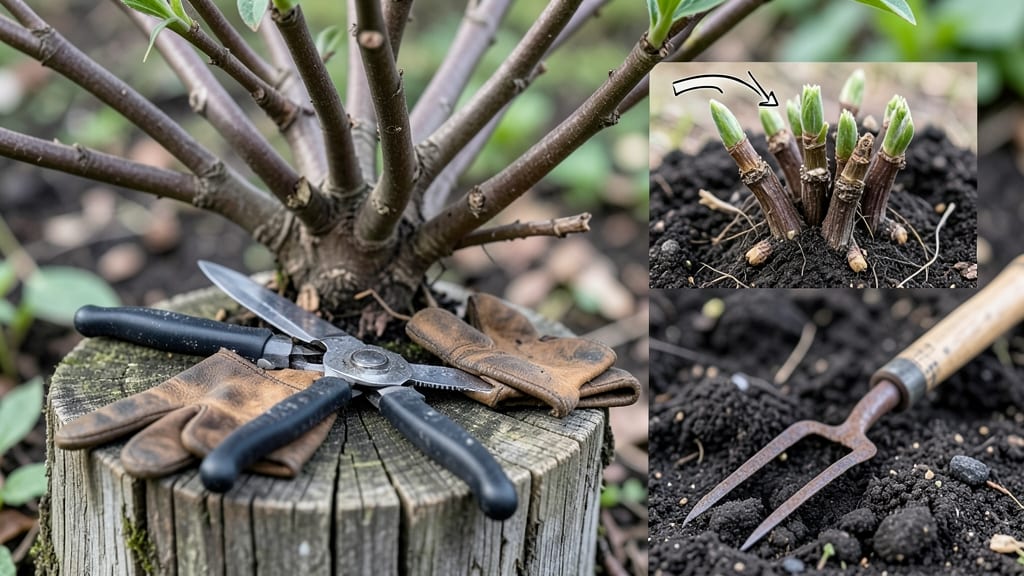
Pruning back peonies at the right time transforms next year’s blooms from a whisper to a showstopping 🌸 explosion.
Struggling to keep your peonies blooming like they used to? The secret lies in knowing exactly when to prune them back—and doing it right. A single late-winter cut can turn sparse flowers into lush, vibrant blooms, but timing is everything.
Most gardeners wait until spring, but that’s the worst time to prune. The key is cutting back peonies in late winter—after the first hard frost but before new growth appears. This timing prevents disease, boosts next year’s blooms, and keeps your plants healthy.
In this guide, I’ll walk you through the exact steps to prune your peonies for maximum blooms, including when to mulch, how to avoid common mistakes, and why this one simple habit makes all the difference.
The perfect late winter timing for pruning peonies
Peonies are one of the most rewarding garden plants, but their late-winter pruning is often misunderstood. Cutting back at the wrong time can weaken next year’s blooms or even invite disease.
The ideal window is after the first hard frost but before new growth appears—a delicate balance that ensures your peonies store energy efficiently for spring.
This timing isn’t just about aesthetics; it’s scientifically backed. When peonies experience a cold dormancy period, they redirect nutrients to their roots and crown buds. Pruning too early disrupts this process, while waiting too long risks exposing the plant to fungal infections or pests.
Let’s break down the exact moment to prune and how to adjust for your region’s climate.
🌱 Key Timing Rule: Prune peonies between mid-February and early March in most of the U.S. (USDA Zones 3-8). For colder zones (3-5), wait until late March when soil temperatures hover around 40°F. Southern gardeners (Zones 8-10) can prune as early as January, but avoid cutting before December’s first frost.
| Climate Zone | Ideal Pruning Window | Key Cue | Why It Matters |
|---|---|---|---|
| Zones 3-5 (Cold) | Late March | Soil at 40°F | Prevents frost damage to fresh cuts |
| Zones 6-8 (Temperate) | Mid-February to early March | Dormant foliage | Balances disease risk and regrowth |
| Zones 9-10 (Mild) | January (after frost) | No new growth | Avoids fungal spread in wet winters |
How do you know if it’s the right time? Look for these three signs: the foliage should be completely brown and crispy, the ground should be firm when pressed (not muddy), and there should be no green shoots emerging.
If you see green buds or soft stems, wait another 2-3 weeks—pruning too soon can shock the plant and delay spring blooming.
Pruning at this stage also reduces disease risk. Dead foliage left over winter can trap moisture, creating the perfect environment for Botrytis blight or powdery mildew.
By removing the old growth, you improve air circulation and let sunlight reach the crown, which boosts next year’s flower strength. Think of it as giving your peonies a fresh start before the growing season kicks in.
Regional adjustments are crucial. In northern climates (like Minnesota or Maine), peonies often need an extra 4-6 weeks of dormancy after the first frost. In contrast, southern states (like Texas or Florida) may only need 2-3 weeks of dormancy before pruning.
Always check your local last frost date and add 30 days to it as a safe cutoff.
One common mistake is pruning tree peonies (woody stems) the same way as herbaceous peonies (die back to ground level). Tree peonies should only have dead or crossing branches removed in late winter, while herbaceous types get cut back to 1-2 inches above the soil.
Misidentifying your peony type can lead to stunted growth or no blooms at all.
Pro tip: Mark your calendar for February 15th as a general reminder. If you’re in a warmer microclimate (like a sheltered garden spot), delay pruning until you see no green anywhere near the plant. Patience here pays off with larger, more abundant blooms the following spring.
After pruning, clean up all debris from the garden bed to prevent pests from overwintering. This simple step can double your bloom count next season by reducing competition for nutrients. With the right timing, your peonies will reward you with bold, healthy flowers that steal the show in late spring.
Step-by-step pruning guide: how to cut peonies for maximum blooms
Pruning peonies might seem intimidating, but it’s one of the easiest ways to ensure vibrant blooms next season. The key is knowing whether you’re dealing with herbaceous peonies (die back in winter) or tree peonies (evergreen).
Both need different approaches, but the goal is the same: encourage strong root systems for bigger flowers. Grab your pruners and let’s get started!
Before you begin, gather your tools: sharp bypass pruners (for clean cuts), gloves (to protect from thorns), and disinfectant (to prevent disease spread). Avoid dull tools—they crush stems and invite pests. Now, let’s dive into the step-by-step process that’ll transform your peonies into blooming superstars.
🌱 Step-by-Step Peony Pruning Guide
-
Step 1Wait for the right time: Prune herbaceous peonies in late winter or early spring (after the first hard frost but before new growth). For tree peonies, prune in late winter (February-March) to avoid damaging spring blooms.
-
Step 2Identify dead foliage: Look for brown, crispy stems—these are ready to remove. Leave green stems (even if wilted) until spring, as they protect the crown.
-
Step 3Cut at the base: Use clean pruners to slice just above the soil line for herbaceous types. For tree peonies, trim 1/3 of last year’s growth to encourage new shoots.
-
Step 4Avoid over-pruning: Never cut more than 1/3 of the plant. Over-pruning stresses peonies and can reduce next year’s blooms by 50% or more.
-
Step 5Clean up debris: Remove all cuttings and old foliage from the garden to prevent fungal diseases like botrytis. Dispose of them in the trash, not your compost pile.
-
Step 6Mulch lightly: Add a 2-inch layer of mulch (like shredded bark) around the base to insulate roots and retain moisture without suffocating the plant.
One of the biggest mistakes gardeners make is pruning too early—before the first frost—or too late, after new growth appears. Cutting too early exposes the crown to cold damage, while cutting too late removes the plant’s energy reserves for next year’s blooms.
Always aim for that late-winter window when the ground is frozen but new shoots haven’t emerged yet.
For tree peonies, timing is even more critical. These evergreen shrubs bloom on old wood, so pruning in summer or fall can mean no flowers next year. Stick to late winter, and you’ll reward yourself with showy, repeat-blooming flowers all season.
Pro tip: If your tree peony hasn’t bloomed well, it might be overcrowded—thin out old stems to improve airflow and light penetration.
After pruning, monitor your peonies for new green shoots in early spring. This is your sign that the plant is recovering well and storing energy for next year’s blooms. If you notice yellowing leaves or wilting, it could mean root rot from overwatering or nutrient deficiency.
In this case, apply a balanced fertilizer (like 10-10-10) in early spring to give your peonies a boost.