
Pruning
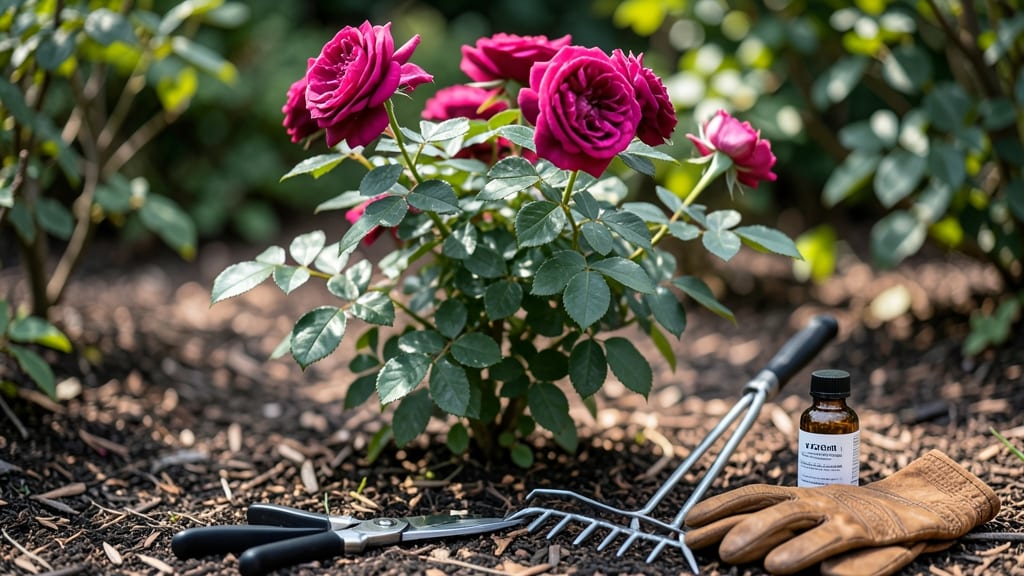
Pruning your Knockout Roses 🌹 in North Carolina between late February and early March unlocks their boldest blooms all summer long.
North Carolina’s mild winters and humid summers create the perfect storm for knockout roses—but timing your prune wrong can mean fewer blooms and weaker plants. Master the art of late-winter pruning to transform your garden into a nonstop floral display by summer.
If you’ve ever watched your roses struggle to rebound after an early prune or seen buds drop before they open, you know how critical this window is. The key? Pruning just as the first green shoots appear—before the last frost but after the plant has fully rested.
Below, I’ll walk you through the exact steps to prune for maximum blooms, including how to handle North Carolina’s variable frost dates, avoid common mistakes, and keep your roses thriving all season.
Optimal late-winter pruning timeline for North Carolina knockout roses
North Carolina’s mild winters and humid summers create ideal conditions for Knockout Roses, but timing your late-winter prune is everything. Prune too early, and you risk frost damage to fresh cuts.
Prune too late, and you stunt spring blooms. The perfect window—late February to early March—aligns with NC’s USDA Zones 7a-8b and average last frost dates (mid-April).
Your goal is to prune just before new growth starts but after the worst winter cold snaps. Look for swollen buds or tiny green tips on canes—these signal it’s time.
In cooler mountain regions (Zone 7a), wait until early March. In warmer coastal areas (Zone 8b), late February works best.
Here’s why timing matters: Knockout Roses bloom on new wood, meaning growth from this year’s pruning fuels summer flowers. Cut too late, and you delay blooms.
Cut too early, and frost can kill fresh cuts, inviting disease. Balance is key—aim for 2-3 weeks before your area’s average last frost date.
Pro tip: Check the National Weather Service for your local frost forecast. In Raleigh, for example, prune by February 28. In Asheville, wait until March 15. Humidity in NC also plays a role—damp conditions increase fungal risks, so prune on a dry, sunny day.
After pruning, your Knockout Roses will send out vigorous new growth in 2-3 weeks. To encourage this, apply a balanced fertilizer (10-10-10) at half strength right after pruning. In NC’s humid climate, mulch heavily (3-4 inches) to retain moisture and suppress weeds—this mimics the plant’s natural tropical origins.
Watch for new leaf clusters (called "break") as a sign of success. If you pruned too late, you might see delayed blooms or smaller flowers.
But if done right, your roses will reward you with nonstop blooms from May through frost. In my garden, properly timed pruning means 50
Step-by-step pruning guide: tools, techniques, and critical mistakes to avoid
Pruning your Knockout Roses in North Carolina isn’t just about snipping branches—it’s about stimulating healthy growth and maximizing summer blooms. The right technique ensures your roses stay disease-resistant and vigorous, while the wrong moves can stress your plants.
Start by gathering your tools: sharp pruning shears, gloves, and disinfectant to prevent spreading disease between cuts.
Before you begin, inspect each cane for dead or diseased wood. These are your top priorities to remove—look for blackened stems, mushy spots, or cracks. Healthy canes should feel firm and have a greenish hue under the bark.
Mark these with a flagging tape or note them on paper to avoid confusion while you work.
⚠️ callout warning ⚠️
Never prune before late February—your roses need protection from late winter frosts (common in NC’s Zone 7a-8b). Wait until after the last frost date (typically mid-April) but before new buds swell. If you prune too late, you risk delaying blooms or encouraging weak, leggy growth.
Signs you’re too late: Buds are swollen or green, or you see new leaves unfurling. At this point, focus on light shaping instead of heavy pruning.
Use the 45-degree angle technique when cutting—this helps water run off and prevents rot. Aim for cuts just above a bud or outward-facing leaf. For thicker canes, make a small notch below your cut to guide the shear and avoid tearing.
Always cut above a bud that faces outward to encourage an open, airy shape that reduces disease risk.
Thinning crowded canes is key to improving airflow and preventing fungal issues like black spot. Remove 1/3 of the oldest canes at the base—these are the most wood and least productive.
Leave the healthiest, youngest canes to carry next year’s blooms. If your rose bush looks overly dense, prioritize vertical thinning to let sunlight reach the center.
After pruning, sanitize your tools with a 10% bleach solution or rubbing alcohol to kill bacteria. Clean up fallen debris and mulch around the base with 2-3 inches of organic mulch to retain moisture and suppress weeds.
Avoid piling mulch against the stem—this can cause rot—instead, create a donut shape around the plant.
Finally, step back and admire your work! A well-pruned Knockout Rose should have open centers, healthy canes, and visible buds ready to burst into color. With the right technique, your roses will reward you with continuous blooms from spring to frost—the hallmark of this low-maintenance superstar.