
Pruning
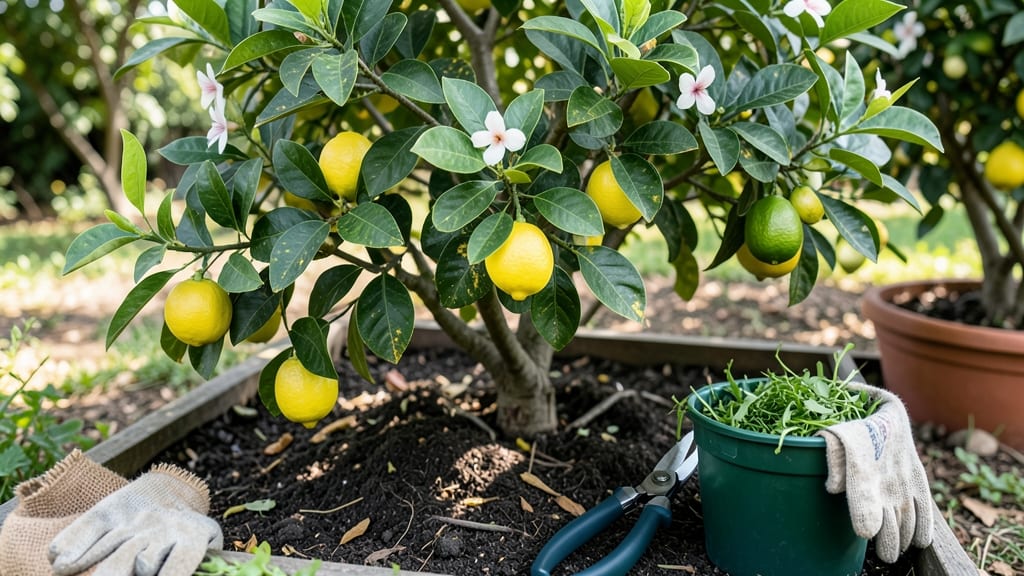
To prune a lemon tree in California, aim for late winter or early spring—just as new growth begins—when the tree is dormant but not yet pushing leaves.
Pruning your 🍋 lemon tree at the wrong time in California can mean the difference between a bountiful harvest and stunted growth—here’s the exact science behind timing it right for maximum fruit production.
California’s mild winters and frost-free zones mean you’ve got a longer window than most, but inland areas (like USDA Zone 9) still need to avoid pruning in summer heat, which stresses the tree and attracts pests.
Below, I’ll break down the best months by region, how to spot the perfect pruning cues, and the three critical mistakes that kill fruit production—so you can keep your tree thriving year-round.
Best pruning months for lemon trees in California’s climate zones
California’s diverse climate—from coastal fog belts to inland deserts—creates microclimates that drastically affect when and how you should prune your lemon tree. Pruning at the wrong time can stress your tree, reduce fruit production, or even invite pests.
In coastal zones (USDA 10-11), like San Diego or Santa Barbara, milder winters allow pruning into early spring, while inland areas (USDA 9), such as the Central Valley, require pruning earlier to avoid summer heat stress.
The key is to prune when your lemon tree is dormant but not frozen. This means targeting late winter to early spring, just as new growth begins.
In coastal areas, this window stretches from February to March, while inland regions should prune by late January to February to avoid the intense summer heat. Temperature fluctuations also play a role—cooler coastal nights delay dormancy, while warmer inland days can wake the tree earlier.
Here’s how California’s climate zones influence your pruning schedule:
Pruning in late winter (January–February) aligns with your lemon tree’s natural growth cycle. This timing removes winter-damaged branches while leaving enough foliage to capture spring sunlight, which is critical for flower production.
In coastal areas, where winters are milder, you can extend pruning into early March, but avoid cutting after April—this disrupts blooming and fruit set.
Inland areas, however, face hotter summers and must prune earlier to reduce water stress. If you prune too late (after March in inland zones), your tree may struggle to recover before the 100°F+ heat, leading to leaf scorch and reduced fruit yield.
Always prune on a cool, overcast day to minimize stress on the tree.
Temperature fluctuations also affect fruit production. Coastal lemon trees benefit from cooler nights, which slow growth and encourage flowering. In contrast, inland trees experience warmer nights, which can lead to excessive vegetative growth at the expense of fruit.
Pruning in late winter helps balance this by removing overly vigorous branches while preserving the tree’s energy for fruit development.
One common mistake is pruning in summer, which stresses the tree and invites pests like aphids or citrus leaf miners. Summer pruning also exposes fresh cuts to intense sunlight, increasing the risk of sunburn.
Instead, focus on light shaping prunes in early fall (September–October) to improve airflow and reduce disease risk before winter.
For young lemon trees (under 3 years old), prune lightly to establish a strong structure. Remove suckers (shoots growing from the base) and crossing branches to encourage an open canopy.
Mature trees (over 5 years) can handle moderate pruning to remove dead wood and overcrowded limbs, but never cut more than 25% of the canopy in one session.
After pruning, apply a balanced citrus fertilizer (6-6-6 or 8-3-9) to support new growth. Water deeply but avoid overwatering, as soggy soil can rot fresh cuts. Mulch around the base with wood chips to retain moisture and regulate soil temperature.
🌱
How to prune lemon trees for maximum fruit production (step-by-step)
Pruning your lemon tree isn’t just about shaping—it’s about directing energy toward fruit production. In California’s Mediterranean climate, timing and technique make all the difference. The right cuts encourage blooming, improve air circulation, and reduce disease risk.
But skip these steps, and you’ll end up with sparse harvests or stressed trees. Let’s break it down into actionable steps to keep your tree thriving.
Before you grab your pruning shears, know this: lemon trees bloom on new wood, meaning pruning in late winter or early spring triggers the most fruit-bearing branches. Avoid heavy pruning in summer—California’s heat stresses trees, and over-pruning can lead to sunburn or fruit drop.
Instead, focus on light maintenance during warm months. Let’s dive into the exact steps to follow.
Step-by-Step Lemon Tree Pruning Guide
-
Step 1: Choose the Right Time
Prune in late winter (February-March) or early spring (April) before new growth starts. This aligns with California’s dormant season and avoids stressing the tree during heatwaves.
-
Step 2: Gather Your Tools
Use sterilized pruning shears for small branches and a pruning saw for thicker limbs. Don’t forget rubbing alcohol to clean tools between cuts and pruning sealant for larger wounds.
-
Step 3: Remove Dead or Diseased Branches
Cut out any dead wood, crossing branches, or limbs with disease signs (e.g., black spots, oozing sap). Make cuts 1/4 inch above a bud or branch collar to promote healing.
-
Step 4: Thin the Canopy for Airflow
Remove 10-20% of the canopy to improve air circulation and sunlight penetration. Focus on interior branches that block light—this reduces humidity-related diseases like citrus canker.
-
Step 5: Shape for Balance and Fruit Production
Encourage an open-center shape by pruning to outward-facing buds. Avoid top-heavy growth, which can snap under lemon fruit weight. Aim for a rounded canopy with branches spaced evenly.
-
Step 6: Clean Up and Monitor
Rake up and dispose of pruned material off-site to prevent pests. After pruning, water deeply and apply a balanced citrus fertilizer to support new growth. Watch for new shoots in 4-6 weeks!
One of the biggest mistakes I see in California gardens is over-pruning during summer. When temperatures soar above 90°F, lemon trees struggle to recover. Stick to light trimming in summer—just remove spent blooms or overly aggressive branches.
This keeps the tree healthy without shocking it. Always prune on a cool, cloudy day to minimize stress.
Pro tip: If your tree is young (under 3 years old), focus on structural pruning to establish a strong framework. For mature trees, prioritize fruit-bearing branches—these are often thicker and woodier than non-fruiting ones.
By following these steps, you’ll see bigger lemons and a healthier tree in just one growing season. 🍋