
Pruning
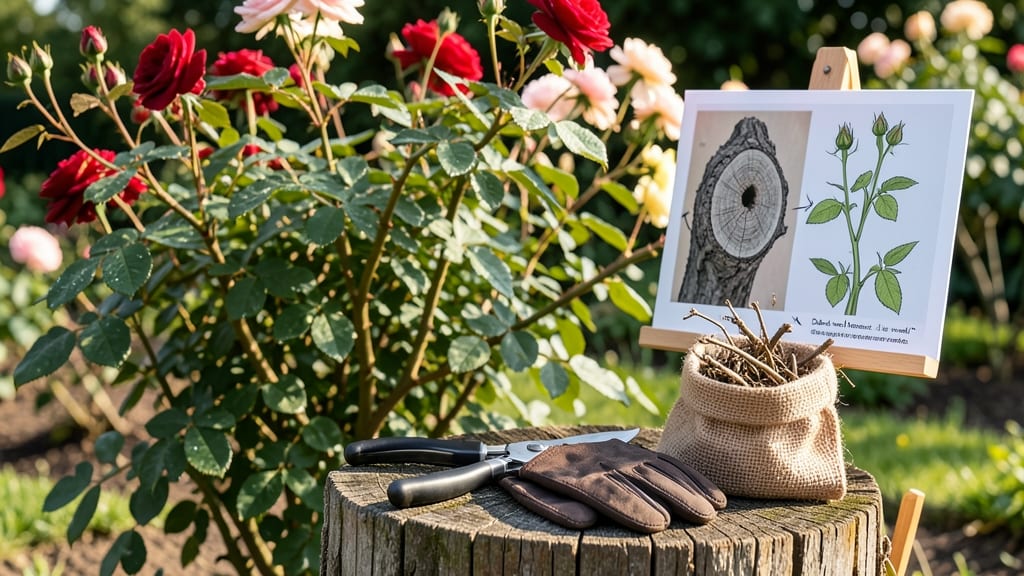
Pruning roses in Louisiana demands timing that matches the state’s humid subtropical climate—a schedule that’s as much about avoiding fungal outbreaks as it is about shaping your bushes for bold blooms.
Miss the right window, and you risk stunted growth or worse: fungal infections thriving in the heat and humidity. But here’s the catch—what works for a hybrid tea rose in Baton Rouge might not suit a Knock Out rose in New Orleans.
The key is knowing when to prune based on your specific variety and local weather patterns.
In this guide, I’ll break down the exact months to prune in Louisiana’s 8a-9b zones, including when to cut back after blooms and how to adjust for hurricane risks. No more guessing—just a climate-smart schedule for roses that thrive year after year.
You’ll also learn how to spot when your roses need pruning (and when to hold off), plus the one pruning mistake Louisiana gardeners make that leads to dead canes. Let’s get those roses looking their best.
Louisiana rose pruning calendar: month-by-month climate guide
Louisiana’s humid subtropical climate creates unique challenges for rose pruning. The high humidity and occasional late frosts in zones 7b-9a mean timing is everything. Prune too early, and you risk frost damage to new growth.
Prune too late, and fungal diseases thrive in the heat and moisture. The key is matching your rose variety to Louisiana’s seasonal temperature shifts.
Native Knock Out roses are more forgiving than hybrid teas, but both need tailored care. Hybrid teas bloom on last year’s wood, while Knock Outs produce flowers on new growth.
This difference changes when—and how—you prune. Let’s break down the month-by-month schedule that keeps your roses healthy year-round in Louisiana’s climate.
Comparison Table: Pruning Schedule for Louisiana Roses
In January and February, Louisiana’s cool, damp winters create the perfect window for dormant pruning. This is when you shape hybrid teas for their spring blooms, cutting back 1/3 of the plant to encourage strong new growth.
For Knock Out roses, focus on removing dead wood—these roses bloom on new growth, so heavy pruning isn’t necessary. Always wait until after the last frost risk, typically mid-February in most of Louisiana.
By March, temperatures rise, and humidity spikes—ideal conditions for fungal diseases like black spot. Finish pruning hybrid teas by early March, targeting outward-facing canes
Signs your Louisiana roses need pruning (and when to avoid it)
Your Louisiana roses might be silently screaming for help if you ignore these visual cues. Overcrowded canes, dead wood from last year, or pest-damaged stems are clear signals it's time to prune. But don't rush—some signs mean waiting is better than cutting too soon.
First, check for diseased canes that appear blackened, mushy, or covered in spots. These need immediate removal to prevent fungal spread in Louisiana's humid climate. Next, look for crossing branches rubbing together—they create wounds that invite pests like Japanese beetles, which thrive here.
🌹 Prune Now vs. Wait: Louisiana Rose Pruning Guide
✅ PRUNE NOW
- Dead/diseased wood - Blackened or hollow stems
- Overcrowded canes - More than 3 canes per foot
- Pest damage - Sawdust-like frass from beetles
- Thornless growth - Weak, spindly new shoots
❌ WAIT TO PRUNE
- Bud swell - Green buds forming (March)
- Frost warnings - Below 32°F (late Feb)
- Hurricane season prep - After storm threats pass
- New growth - Tender green shoots appearing
💡 Pro Tip: Louisiana's humidity makes pruning wounds heal slower—always use sealer on cuts larger than ½ inch.
Never prune when you see bud swell—those green buds in late February mean new growth is about to begin. Cutting too early stresses your roses just as they're waking up from dormancy. Also, avoid pruning during hurricane season (June-November)—wait until after storms to assess storm damage.
For Knock Out roses, prune lightly in late winter to encourage bushiness, but hybrid teas need heavier cuts in early spring. Always remove sucker growth at the base—these weak shoots drain energy from your main canes and attract rose rosette virus, common in Louisiana.
If your roses have yellowing leaves or black spots, prune only the affected areas first. This could signal black spot fungus, which spreads rapidly in our 90% humidity. After pruning, sterilize your shears with rubbing alcohol to prevent cross-contamination.
Remember: Late spring pruning (after first bloom) is safer than early spring. By then, you've had time to monitor for bud swell and frost risks. For hurricane-prone areas, prune lightly in September to reduce wind damage before storm season peaks.
Your roses will reward you with bold blooms all season if you time pruning right. Start by removing last year's dead wood, then shape the bush—just don't cut more than ⅓ of the plant at once.
And always clean up fallen leaves to reduce disease pressure in your Louisiana garden. 🌿