
Pruning
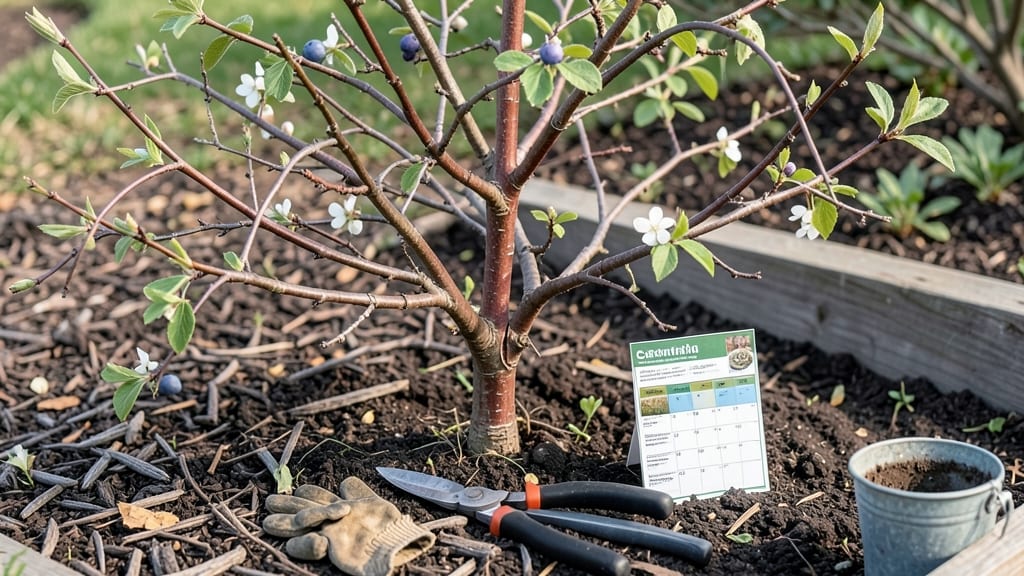
To prune serviceberry 🌳 at the right time means stronger canes and a better fruit harvest next season.
Pruning your serviceberry tree at the wrong time can reduce fruit production and weaken its structure—yet timing this task perfectly ensures stronger canes and a bountiful harvest.
Late winter, just before buds swell, is the sweet spot for pruning. This timing avoids stressing the tree and lets it focus energy on new growth when spring arrives.
In this guide, I’ll walk you through the exact window, why it matters, and how to prune for maximum health—plus regional tweaks for colder climates.
Optimal late winter pruning timeline for serviceberry trees
Pruning your serviceberry tree during late winter dormancy is the golden window to set up a season of strong growth and abundant fruit. This period, when the tree is inactive but above freezing, allows you to remove dead or weak canes without stressing the plant.
The exact timing depends on your USDA hardiness zone—typically between late February and early April—but the key is to prune before bud break.
Why does timing matter so much? Pruning too early in winter risks frost damage to fresh cuts, while waiting too long can stimulate new growth that may be harmed by late frosts.
Additionally, pruning at this time reduces disease risk because wounds heal faster in dormancy. For fruit production, late winter cuts help redirect energy to flowering and fruiting later in the season.
Here’s a quick reference for your serviceberry pruning timeline, including regional adjustments to ensure you’re cutting at the perfect moment:
| Pruning Window | Key Action | USDA Zone Adjustments | Why It Matters |
|---|---|---|---|
| Late February | Remove dead/diseased wood | Zones 6-7: Start pruning | Prevents spread of pathogens |
| Mid-March | Thin crowded canes for airflow | Zones 5-6: Ideal timing | Reduces fungal risk and improves fruit access |
| Early April | Shape the tree; avoid heavy cuts | Zones 8+: Wait until late March | Encourages balanced growth and fruit buds |
| Before bud break | Final check for weak or crossing branches | All zones: Critical deadline | Prevents sap loss and promotes vigor |
If you’re in a warmer climate (Zones 8-9), you can prune as late as early April, but always prioritize finishing before bud break. For colder regions (Zones 3-4), aim for late March to avoid late frosts damaging fresh cuts.
Watch for swollen buds—this is your cue to stop pruning immediately.
Regional adjustments also apply to watering post-pruning. In dry climates, give your serviceberry a deep watering after pruning to help it recover. In humid areas, avoid watering for a few days to let cuts callus over naturally.
This small step can prevent fungal infections like powdery mildew, which loves damp conditions.
One common mistake is pruning too aggressively in late winter, which can weaken the tree before it’s ready to grow. Aim to remove no more than 25% of the canopy in a single session.
For young serviceberry trees (under 3 years old), focus on removing only dead or damaged wood—they’re still establishing their root systems and can’t handle heavy pruning.
Finally, tool selection matters. Use sharp, sterilized pruners for small branches and a pruning saw for thicker canes. Disinfect your tools with rubbing alcohol between cuts to prevent cross-contamination of diseases. This simple step can save your tree’s health for years to come.
Timing your serviceberry pruning correctly in late winter isn’t just about aesthetics—it’s about setting the stage for a healthier, more productive tree. By following this timeline and adjusting for your local climate, you’ll ensure your tree thrives and rewards you with sweet, abundant berries come summer.
Step-by-step late winter pruning process for serviceberry canes
Late winter is the ideal time to prune your serviceberry tree because the tree is dormant, making it easier to spot dead or diseased wood. This process not only improves airflow but also encourages stronger cane growth and better fruit production.
I recommend starting when temperatures consistently stay above 32°F but before buds begin to swell.
Before you begin, gather your tools: a sharp pruning saw for thick branches, bypass pruners for smaller canes, and gloves to protect your hands. Safety is key—sterilize tools with rubbing alcohol to prevent spreading disease between cuts.
Remove any fallen debris from the base of the tree to create a clean workspace.
How to Prune Serviceberry in Late Winter
- 1 Identify dead or diseased wood: Look for brown, brittle canes or branches with peeling bark. These should be removed first to prevent disease spread.
- 2 Thin out crowded branches: Aim to remove 20-30% of the canopy to improve airflow. Focus on crossing branches or those growing inward.
- 3 Shape the tree for balance: Maintain a rounded, open center to allow sunlight to reach all branches. Cut back overly long branches to maintain a natural shape.
- 4 Make clean cuts at the right angle: Cut just outside the branch collar (the swollen area where the branch meets the trunk) at a 45-degree angle for larger branches.
- 5 Dispose of pruned material: Remove all clippings from the area to reduce the risk of fungal diseases. Bag and compost healthy wood separately.
- 6 Apply wound sealant (optional): For cuts larger than 1/2 inch, use a tree sealant to protect the wound and prevent decay.
After pruning, step back and assess your serviceberry tree from all angles. The goal is to create an open, airy structure that allows sunlight to penetrate the canopy. This not only promotes healthier growth but also encourages abundant fruit production in the coming seasons.
Avoid heavy pruning in cold climates—wait until late winter to minimize stress on the tree.
Once you’ve finished, mulch around the base of the tree with 2-3 inches of organic mulch to retain moisture and regulate soil temperature. Water deeply to help the tree recover from pruning stress. With proper care, your serviceberry will reward you with vibrant blooms and delicious berries by summer.
If you’re unsure about a specific cut, take a photo and compare it to online pruning guides or consult a local arborist. Pruning is a skill that improves with practice, so don’t hesitate to ask for advice. Your serviceberry tree will thank you with years of healthy growth! 🌳✂️